Most Viewed







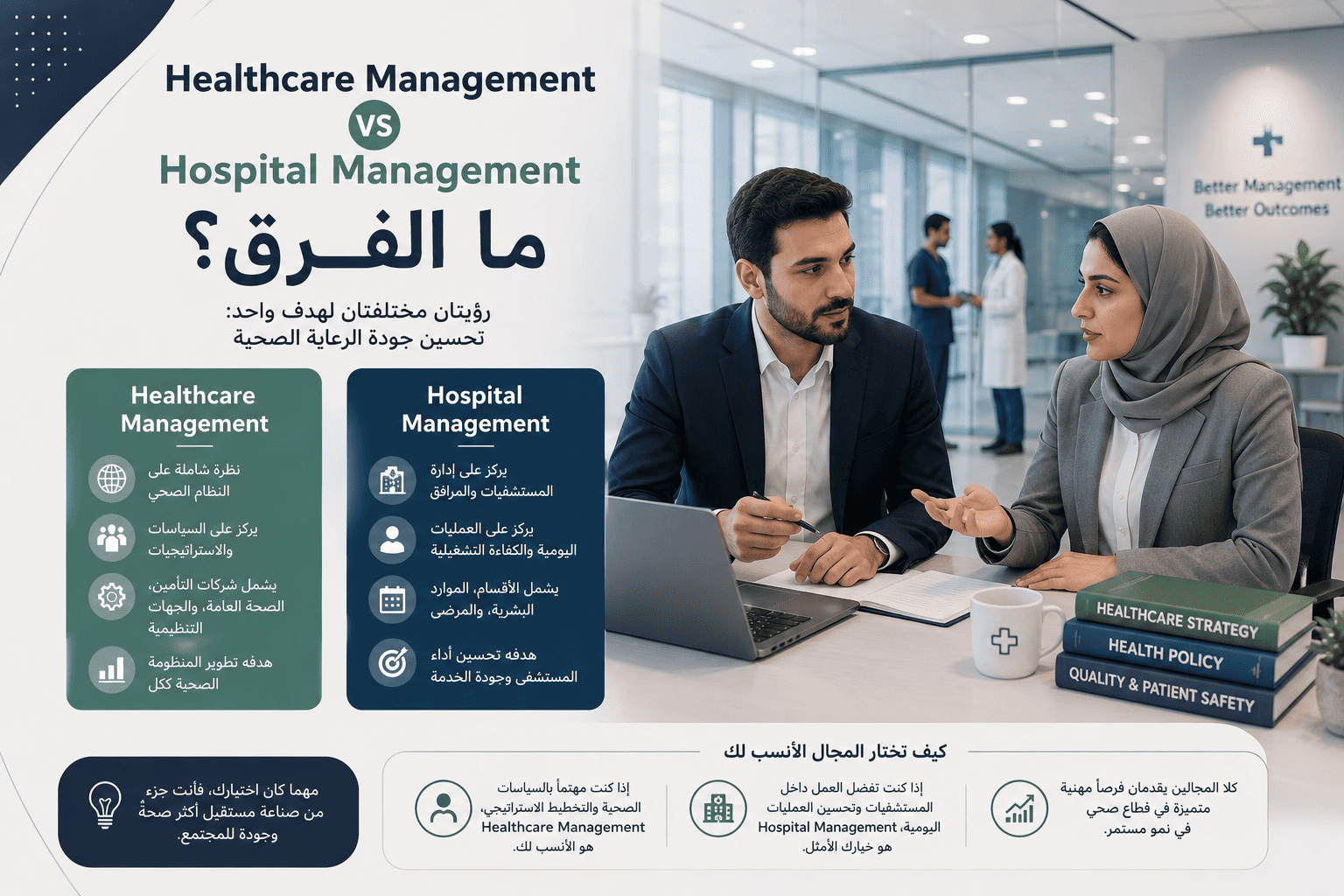
If you work in the healthcare sector and are considering moving into management, you will probably come across two common terms: Healthcare Management and Hospital Management. At first, the difference between them may seem small because both are related ...
Created at: 2026-08-17Updated at: 2026-10-09

If you work in the healthcare sector and feel that your current experience could lead you toward an administrative role, this is where healthcare center management becomes important. Managing a healthcare center involves much more than organizing appointments or supervis...
Created at: 2026-08-16Updated at: 2026-10-09
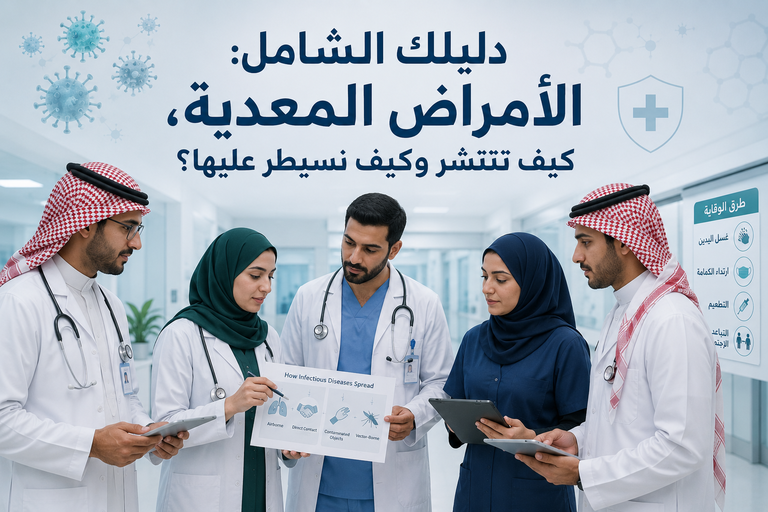
In today's fast-moving world of travel, communication, and global connectivity, infectious diseases have become one of the most significant health challenges affecting individuals and communities. From common colds to global pandemics, infections can spread within hours when preventive measures and public awareness are lacking. Although some infectious diseases may seem minor, neglecting them can lea...
Created at: 2026-06-04Updated at: 2026-10-09
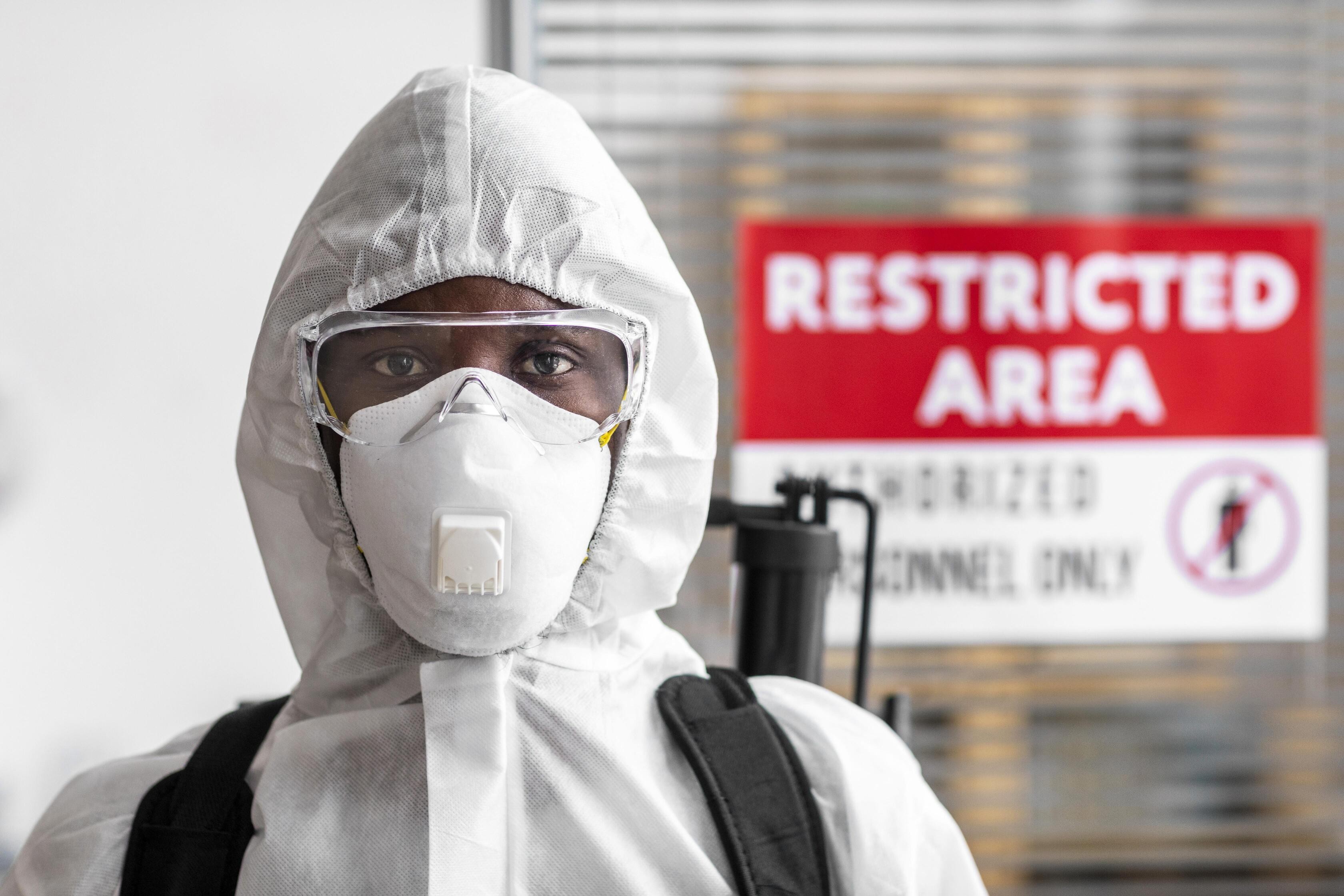
Ebola virus can cause a rare but severe disease that has been associated with outbreaks in parts of Africa since it was first identified in the 1970s. The severity and fatality rate can vary between outbreaks depending on the virus involved, access to care, and other factors. As interest in public health a...
Created at: 2026-05-24Updated at: 2026-10-09

Infectious diseases can affect not only individual health but also communities, healthcare services, workplaces, education, and economic activity. As travel, population movement, and environmental conditions change, understanding modes of infection transmission remains an important part of prevention.
Created at: 2026-05-21Updated at: 2026-10-09
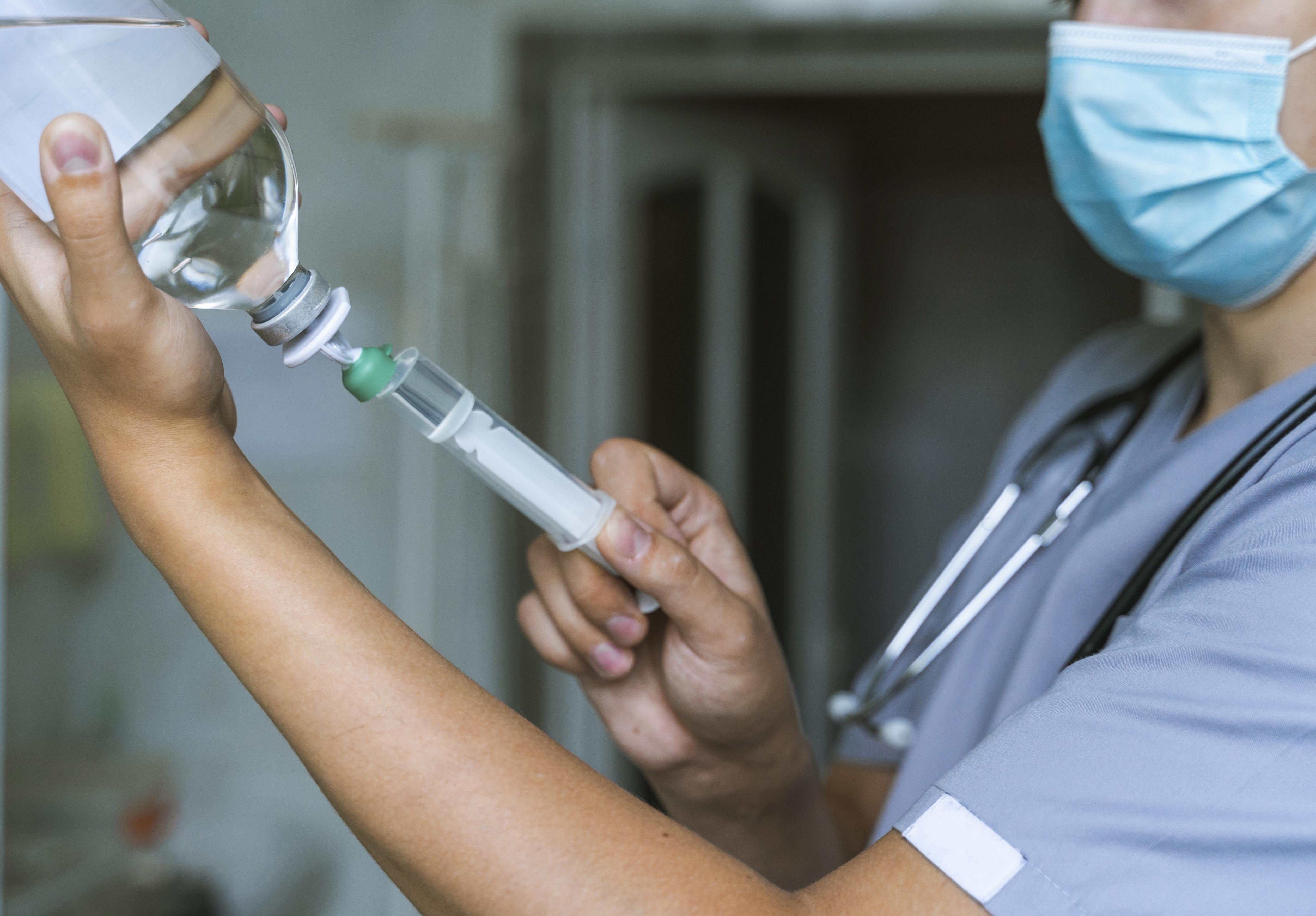
IV fluids are commonly used in hospitals and healthcare facilities. Depending on the patient's condition and treatment plan, they may be used to replace fluids and electrolytes or as a route for administering certain medications directly into the bloodstream. Different types of IV fluids a...
Created at: 2026-05-19Updated at: 2026-10-09
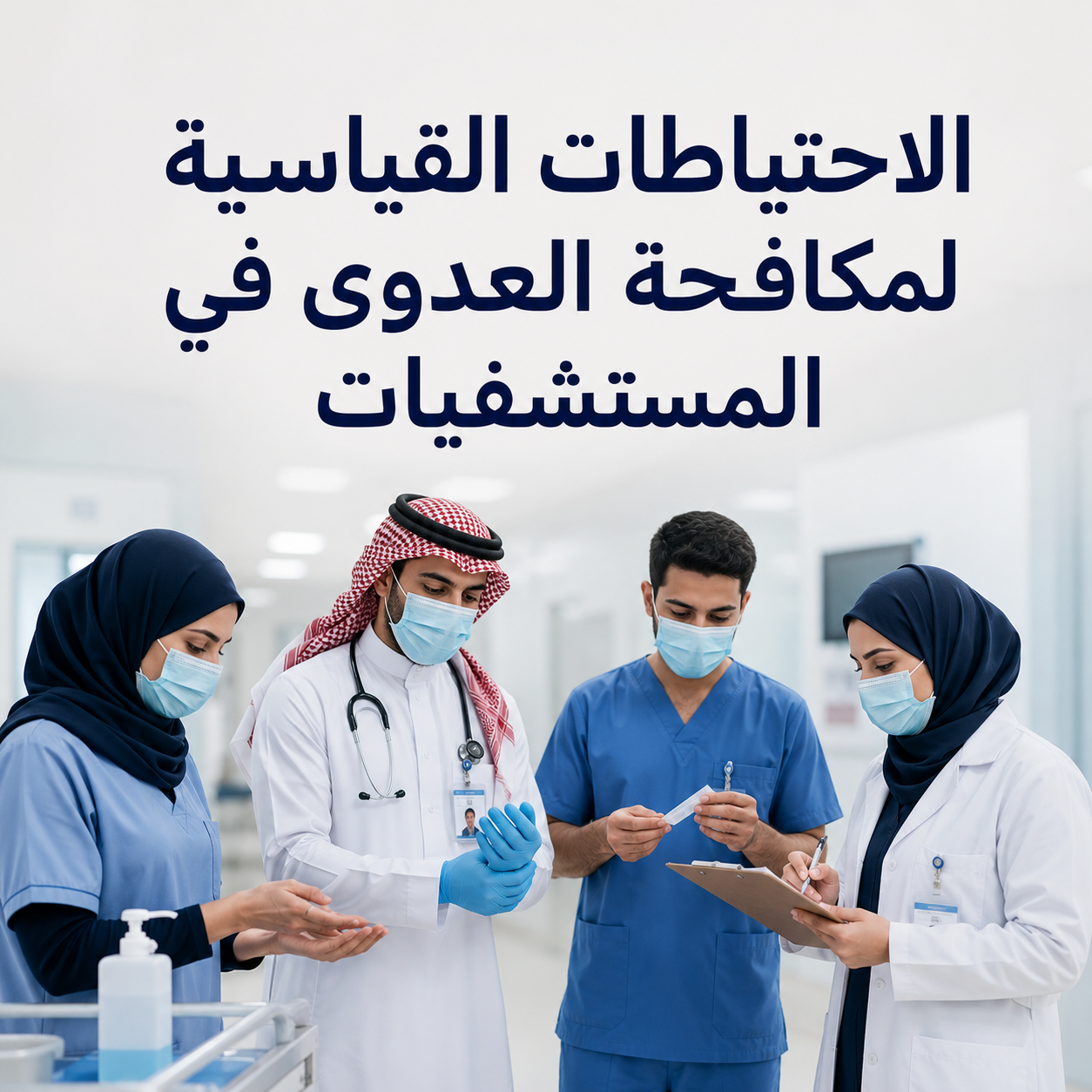
Standard infection control precautions are the foundation of protecting patients and healthcare workers, particularly in healthcare environments such as hospitals. With ongoing health challenges and the spread of infectious diseases, accurate implementation of these measures has become increasingly important. Following standard infect...
Created at: 2026-05-14Updated at: 2026-10-09
Infectious diseases are among the most critical health challenges facing hospitals and clinics across Saudi Arabia, the Gulf region, and Egypt. These diseases significantly impact both patients and healthcare professionals, and if not managed systematically, they can lead to widespread outbreaks.
Created at: 2026-05-04Updated at: 2026-10-08