
The Complete Guide to Ebola Virus: Symptoms, Transmission, and Treatment
Ebola virus can cause a rare but severe disease that has been associated with outbreaks in parts of Africa since it was first identified in the 1970s. The severity and fatality rate can vary between outbreaks depending on the virus involved, access to care, and other factors.
As interest in public health and infectious diseases continues to grow, accurate information about Ebola virus is important for healthcare professionals, students, and anyone who wants to understand how the disease spreads and how transmission can be prevented.
Although Ebola disease can be severe, infection prevention and control, early identification of cases, appropriate patient care, and correct handling of blood and body fluids are central to limiting transmission.
What Is Ebola Disease and Why Can It Be Serious?
Ebola disease is caused by viruses belonging to the genus Orthoebolavirus. These viruses can affect humans and other primates. Infection can enter human populations following exposure to infected animals and then spread between people through direct contact with contaminated blood or body fluids.
What Is Ebola Disease?
Ebola disease is a rare but potentially severe viral illness. Symptoms often begin suddenly and may include fever, fatigue, muscle pain, headache, and sore throat, followed in some patients by gastrointestinal symptoms and other complications.
The illness was historically referred to as Ebola haemorrhagic fever, but bleeding does not occur in every patient and should not be viewed as the defining symptom of every case.
When Was Ebola First Identified?
The first recognized Ebola disease outbreaks occurred in 1976 in two simultaneous events: one in what is now South Sudan and another in Yambuku in what is now the Democratic Republic of the Congo.
The latter occurred near the Ebola River, which gave the disease its name. Several outbreaks have occurred since then, and the 2014–2016 West Africa outbreak was the largest recorded Ebola outbreak.
Why Is Ebola a Major Public Health Concern?
- Some patients can develop severe illness rapidly.
- Case fatality rates have been high in some outbreaks.
- Healthcare settings require strict infection-control measures when managing suspected or confirmed cases.
- Early symptoms can resemble other infectious diseases.
- Large outbreaks can place substantial pressure on communities and healthcare systems.
What Are the Symptoms of Ebola Virus Disease?
The incubation period usually ranges from 2 to 21 days after exposure. A person infected with Ebola does not transmit the disease during the incubation period before symptoms begin.
What Are the Symptoms of Ebola?
Symptoms can begin suddenly and may include:
- Fever.
- Severe fatigue or malaise.
- Muscle pain.
- Headache.
- Sore throat.
Vomiting, diarrhoea, abdominal pain, rash, and impaired kidney or liver function may develop later. Internal or external bleeding can occur in some patients, but it is not present in every case.
Early Symptoms of Ebola Disease
Early symptoms are often non-specific and can resemble malaria, typhoid fever, or other viral illnesses. Ebola cannot therefore be confirmed by symptoms alone.
Laboratory testing under appropriate biosafety procedures is required to confirm an Orthoebolavirus infection.
Severe Symptoms and Possible Complications
- Severe vomiting and diarrhoea.
- Dehydration and electrolyte disturbances.
- Low blood pressure.
- Impaired kidney or liver function.
- Internal or external bleeding in some patients.
- Organ dysfunction in severe disease.
How Does Ebola Virus Spread Between People?
Ebola virus spreads when infected blood or other body fluids enter another person's body through broken skin or mucous membranes such as the eyes, nose, or mouth.
How Is Ebola Virus Transmitted?
Transmission may occur through direct exposure to:
- Blood.
- Vomit or faeces.
- Urine.
- Saliva and other infectious body fluids.
- Objects, clothing, bedding, or equipment contaminated with infectious body fluids.
Transmission can also occur during unsafe burial practices involving direct contact with the body of a person who died from Ebola disease.
Can Ebola Spread Through the Air?
Ebola is not considered an airborne disease in the same way as infections such as measles. Known person-to-person transmission occurs primarily through direct contact with infected blood, body fluids, or contaminated materials.
People with Ebola are not infectious before symptoms begin.
Body Fluids and Contaminated Materials
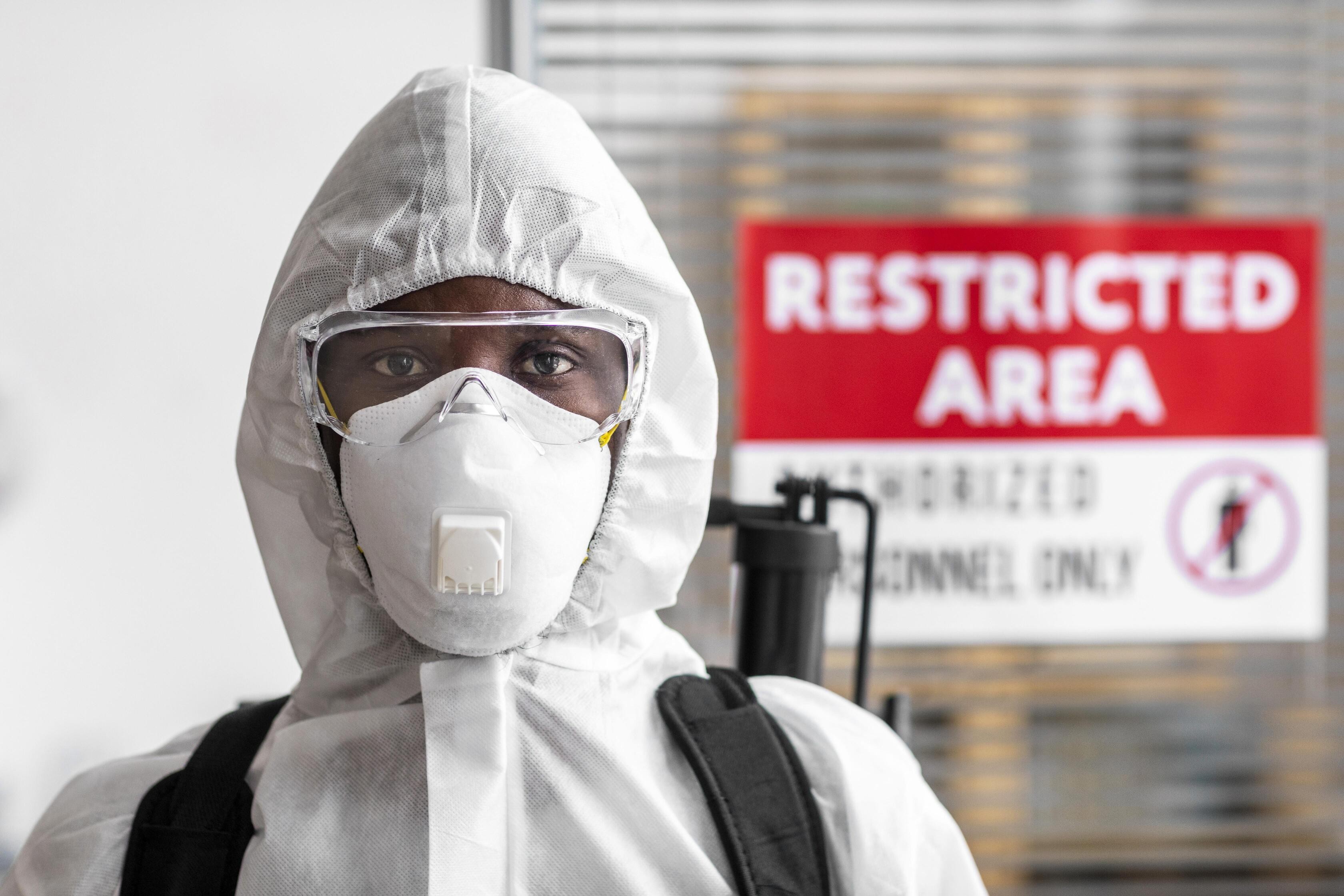
Exposure risk is especially important during direct patient care and when handling contaminated body fluids or equipment. Healthcare workers therefore need appropriate PPE, hand hygiene, environmental controls, and other infection-control measures based on exposure risk.
| Category | Key Information |
|---|---|
| Transmission | Direct exposure to infected blood or body fluids through broken skin or mucous membranes, or contaminated materials. |
| Incubation Period | 2 to 21 days. |
| Common Symptoms | Fever, fatigue, muscle pain, headache, sore throat, followed in some patients by vomiting and diarrhoea. |
| Bleeding | Can occur in some cases but is not present in every patient. |
| Prevention | Infection control, appropriate PPE, hand hygiene, isolation when indicated, and avoiding direct exposure to infectious body fluids. |
Ebola Treatment: Are Treatments and Vaccines Available?
Medical care for Ebola has advanced considerably. Management includes optimized supportive care, while specific treatments and vaccines are available for some Ebola diseases but not all Orthoebolavirus species.
Supportive Care for Ebola Patients
- Fluid and electrolyte replacement.
- Blood-pressure and circulatory support when required.
- Oxygen or organ support when clinically indicated.
- Treatment of symptoms and co-infections.
- Monitoring of organ function.
For Ebola virus disease caused by EBOV, WHO recommends specific monoclonal-antibody treatments including ansuvimab and Inmazeb. These treatments should not be assumed to apply to every disease caused by other Orthoebolavirus species.
Is There an Ebola Vaccine?
Ervebo is currently a licensed and WHO-prequalified vaccine specifically for Ebola virus disease caused by EBOV and is used according to public-health recommendations and outbreak context.
Licensed vaccines are not currently available for all Orthoebolavirus species, so vaccine recommendations depend on the virus responsible for the outbreak.
Why Early Medical Care Matters
Early intensive supportive care can improve survival. Anyone with compatible symptoms and a relevant exposure history should contact health authorities or appropriate healthcare services promptly and follow their instructions.
WHO does not recommend caring for a suspected Ebola patient at home without professional medical management.
How to Prevent Ebola and Reduce Transmission
Prevention depends on interrupting transmission, identifying cases early, tracing contacts during outbreaks, applying infection-control measures, and ensuring safe management of patients and deceased individuals.
Infection Control in Healthcare Facilities
- Appropriate patient isolation.
- Careful hand hygiene.
- Appropriate PPE based on exposure risk.
- Safe sharps and waste management.
- Cleaning, disinfection, and appropriate equipment reprocessing.
- Training in safe donning and removal of PPE.
Personal Prevention During Travel or an Outbreak
During a declared outbreak, people should follow official health guidance, avoid direct exposure to blood and body fluids, and contact health services promptly if they develop compatible symptoms after a relevant exposure.
Direct contact with the body of a person who died from suspected or confirmed Ebola should be avoided outside professionally managed safe-burial procedures.
Read Also
The Role of Health Awareness in Ebola Outbreak Control
Clear health communication can help communities understand how Ebola actually spreads, recognize possible exposure, avoid misinformation, and seek appropriate care.
Accurate public-health education can help:
- Reduce misinformation and unnecessary fear.
- Explain genuine transmission routes.
- Encourage earlier reporting of symptoms and exposure.
- Support compliance with infection-control measures.
- Strengthen community cooperation during outbreak response.
Conclusion
Ebola virus can cause a rare but severe illness. Transmission occurs mainly through direct contact with infected blood or body fluids and contaminated materials, rather than through airborne spread like many respiratory infections.
Early symptoms can include fever, fatigue, headache, and muscle pain, while more severe manifestations may follow. Bleeding may occur, but it is not present in every case.
Advances in supportive care, specific treatments, and vaccines for certain Ebola diseases have strengthened outbreak response, while infection prevention, early identification, and appropriate medical management remain essential.
Start Now
If you work or study in healthcare and want to strengthen your understanding of transmission, standard precautions, outbreak investigation, and infection-control practices, explore the IGTS Infection Prevention and Control Diploma.
Infection Prevention and Control Diploma Contact Us via WhatsAppUpdated at: 2026-10-10 07:32:00