
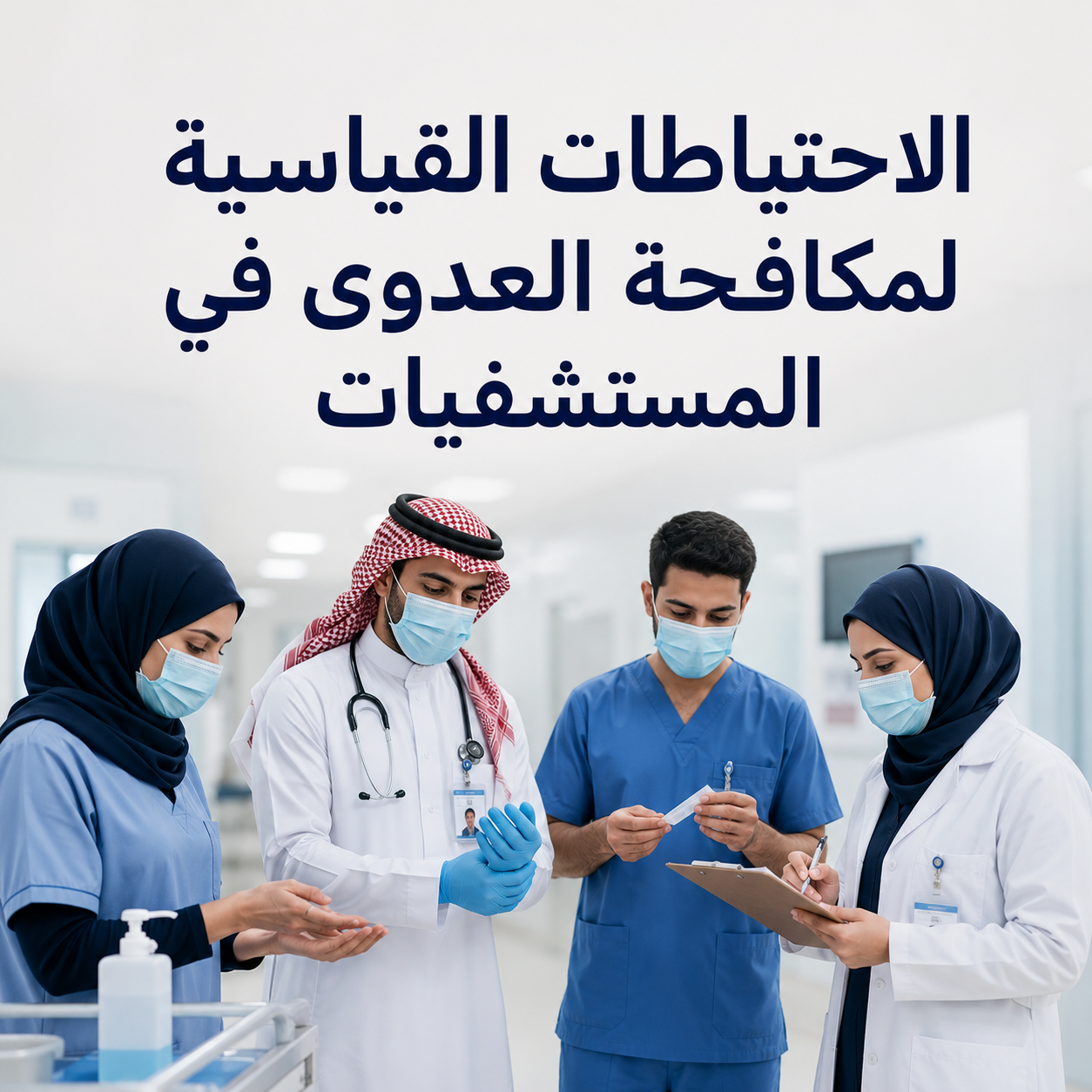
Everything You Need to Know About Standard Infection Control Precautions
Standard infection control precautions are the foundation of protecting patients and healthcare workers, particularly in healthcare environments such as hospitals. With ongoing health challenges and the spread of infectious diseases, accurate implementation of these measures has become increasingly important. Following standard infection control precautions provides a fundamental layer of protection against the transmission of infections within healthcare facilities.
What Are Standard Infection Control Precautions?
Standard infection control precautions are preventive practices applied to all patients regardless of their diagnosis or health condition. Their purpose is to reduce the risk of infection transmission between patients and healthcare personnel.
These measures form part of a comprehensive hospital infection control system and include safe handling of blood, body fluids, and secretions, appropriate use of personal protective equipment, and maintaining a clean healthcare environment.
Core Elements of Standard Precautions to Protect Healthcare Staff and Patients
The effectiveness of standard infection control precautions depends on several essential elements that should be consistently followed in hospitals and other healthcare facilities to support patient and staff safety.
Hand Hygiene: A Fundamental Line of Defense
Hand hygiene is one of the most important measures in hospital infection control because it reduces the transmission of microorganisms during healthcare delivery. Alcohol-based hand rub is preferred in most clinical situations when hands are not visibly soiled, while soap and water should be used when hands are visibly dirty or when specifically required by healthcare guidance.
Commitment to hand hygiene is not limited to physicians and nurses. It is an important safety practice for personnel involved in patient care and healthcare delivery.
Proper Use of Personal Protective Equipment (PPE)
Personal protective equipment includes gloves, masks, protective gowns, and eye or face protection. The appropriate equipment should be selected according to the nature of the task and the anticipated risk of exposure to blood, body fluids, or infectious material.
Personal protective equipment should be used correctly as part of standard infection control precautions, with disposable items discarded and other equipment managed according to its intended use and facility procedures to prevent cross-contamination.
Safe Handling of Needles and Sharp Instruments
Handling sharp instruments requires particular attention in healthcare environments. Safe practices should be followed when using and disposing of needles, and recapping used needles should be avoided unless a specific procedure requires an approved safe technique.
As part of hospital infection control, used sharp instruments should be placed promptly in designated puncture-resistant containers to reduce occupational injury and exposure risks.
Environmental Cleaning and Safe Disposal of Medical Waste
A clean healthcare environment is an important component of successful standard infection control precautions. Surfaces and equipment should be cleaned and disinfected according to healthcare facility procedures using products appropriate for their intended purpose.
Safe disposal of medical waste also helps reduce exposure to contaminated materials. Waste should be separated and managed according to its type and the applicable facility policies and regulations within hospital infection control programs.
What Is the Difference Between Standard Precautions and Transmission-Based Precautions?
Standard infection control precautions apply to all patients, while transmission-based precautions are added when a suspected or confirmed infection requires additional measures based on how the infectious agent spreads.
While standard infection control precautions provide the general foundation for care, transmission-based precautions provide an additional level of protection when needed within the broader framework of hospital infection control.
The Importance of Continuous Training for Healthcare Workers in Infection Control Programs
Continuous training is an important element in developing healthcare worker competency. Understanding and applying standard infection control precautions requires ongoing learning and awareness of the policies and guidance used within the healthcare facility.
Training programs can improve awareness of personal protective equipment and its appropriate use while also strengthening compliance with hand hygiene and occupational safety practices.
Developing staff knowledge and skills also supports the quality of hospital infection control and helps healthcare facilities reduce the risks associated with healthcare-associated infections.
Frequently Asked Questions About Standard Infection Control Precautions in Hospitals
What Are Standard Infection Control Precautions?
They are preventive practices applied to all patients within healthcare facilities to reduce infection transmission. They include hand hygiene, appropriate use of personal protective equipment based on risk, safe handling of sharps, and appropriate cleaning of the environment and equipment.
What Is the Most Important Step for Preventing Infections in Hospitals?
Hand hygiene is one of the most important and effective measures for reducing the transmission of microorganisms associated with healthcare. Its effectiveness depends on performing it at the appropriate times and using the correct method.
What Is Personal Protective Equipment (PPE)?
PPE is protective equipment used by healthcare workers when exposure to infectious material may occur. It includes gloves, masks, protective gowns, and eye or face protection. PPE is an essential part of standard infection control precautions.
The Importance of Applying Standard Precautions in Hospitals
Implementing standard infection control precautions in hospitals is essential for supporting the safety of patients and healthcare workers. These precautions help reduce infection transmission, improve the safety of healthcare delivery, and strengthen confidence in facility procedures.
Consistent compliance with hospital infection control procedures can also help reduce the burden associated with healthcare-associated infections, including additional treatment and longer periods of care in some cases.
Connecting Infection Control Practices with Healthcare Quality Management
Quality management plays an important role in supporting standard infection control precautions by establishing policies and procedures, monitoring compliance, and identifying opportunities for improvement within hospitals and healthcare facilities.
Integrating hospital infection control programs into healthcare management plans can support coordination between departments and help reduce risks associated with healthcare delivery.
Developing Professional Skills in Infection Control
As the healthcare sector continues to develop, healthcare professionals and workers can benefit from improving their knowledge of standard infection control precautions through specialized training programs, courses, and diplomas that are appropriate to their professional roles.
This professional development can strengthen understanding of personal protective equipment, improve awareness of hand hygiene, and support a better understanding of principles related to the safe disposal of medical waste and other infection prevention practices.
Read Also
Why Study Infection Control with IGTS?
1. Organized Scientific Knowledge
The IGTS Infection Control Diploma provides structured training content covering a range of topics related to infection control, including infection transmission, prevention, and principles used in healthcare facilities.
2. Understanding the Fundamentals of Hospital Infection Control
Through the educational content, learners can develop a broader understanding of hospital infection control, safety policies, and the factors involved in reducing infection transmission within healthcare facilities.
3. Learning About Personal Protective Equipment (PPE)
The program addresses personal protective equipment, its uses, and its role in reducing exposure to infectious material, helping learners understand the importance of selecting appropriate protective equipment for different situations.
4. Strengthening Scientific Understanding of Hand Hygiene
The program includes hand hygiene as one of the core elements of infection prevention, helping learners understand its role in reducing microorganism transmission within the framework of standard infection control precautions.
5. Building a Knowledge Base for a Healthcare Career
Training in hospital infection control can help learners develop a knowledge base that supports their educational and professional development. However, certain healthcare roles may require additional qualifications, practical training, professional registration, or licensing depending on the role, employer, and country.
Conclusion
In conclusion, standard infection control precautions are a fundamental part of any healthcare system that aims to reduce infection transmission. Consistent adherence to these practices supports a safer environment for both patients and healthcare workers.
If you work or study in the healthcare sector, developing your knowledge of hospital infection control can help you understand prevention and safety practices in a more structured way, while healthcare facility policies and applicable professional guidance should always remain the primary reference for clinical practice.
Start Now
Explore the IGTS Infection Control Diploma and develop your knowledge of infection prevention, safety principles, and infection control within healthcare facilities.
Infection Control Diploma Contact Us via WhatsAppUpdated at: 2026-10-10 16:51:12