
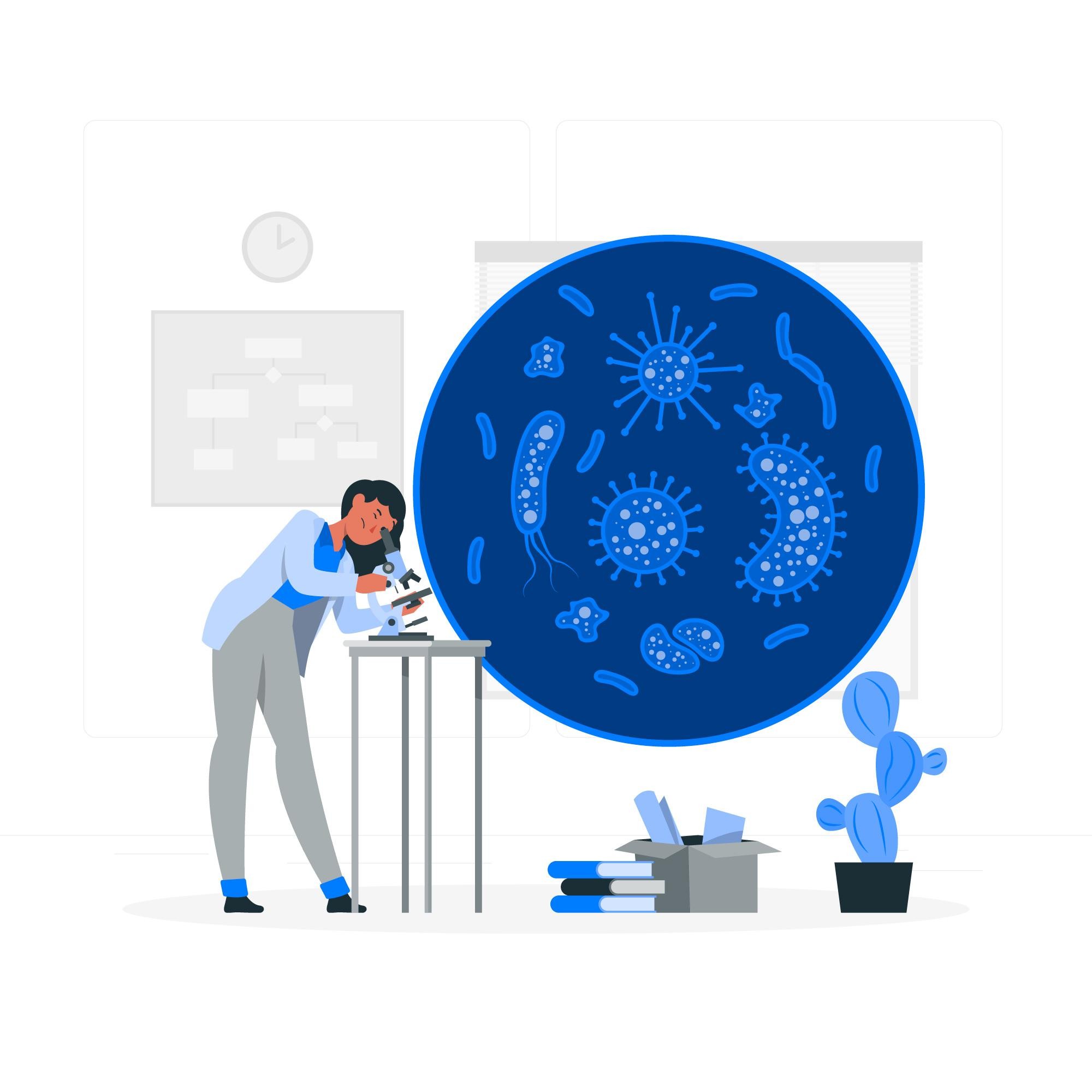
Top Essential Questions and Answers on Infection Control
What is Infection?
An infection occurs when a disease is transmitted from an infected individual to another person through the transfer of pathogenic microorganisms or germs at a specific dose (the Minimum Infective Dose). These pathogens penetrate the body's natural defenses, such as the skin and mucous membranes, reaching internal tissues and naturally sterile areas like the bloodstream. This triggers an inflammatory response as the body attempts to eliminate the invader.
Who is at Risk of Infection?
Infection is not limited to patients; it can also spread to the medical team and hospital staff. Transmission can occur among healthcare professionals within clinical settings or to those accompanying patients during their hospital stay.
How is Infection Controlled?
Infection control addresses factors linked to the spread of diseases within healthcare facilities. Consequently, preventive procedures and policies have been established. Strict adherence to these protocols is mandatory, and governing bodies must monitor the implementation of recommended infection control practices.
What are Infection Control Policies?
Prevention primarily involves hygiene, disinfection, and sterilization of hands and tools used during patient care. There is a direct correlation between healthcare workers' hand hygiene and disease prevalence. Hands should be washed with antiseptic soap and dried using paper towels rather than hot air dryers, which are unsafe as they can increase bacterial counts on the hands. Paper towels are the only effective method for reducing the total microbial load.
Additionally, healthcare workers must stay updated with vaccinations due to their high exposure risk. While vaccines do not provide 100% protection, they are a vital component alongside established infection control policies.
How is the Medical Team Trained in Infection Control?
Academic knowledge alone is often insufficient for the complexities of clinical practice. Therefore, specialized committees should be appointed to provide practical training and training courses. A comprehensive checklist of essential procedures must be available across all departments, with the committee overseeing the strict application of these policies.
Join Over 5,000 Successful IGTS Graduates
Gain access to the latest internationally accredited infection control protocols to ensure your safety and the safety of your patients.
The Infection Control Diploma offered by the International Group for Training Services (IGTS) is your premier guide. Whether you are a doctor, nurse, or healthcare professional, this program equips you with the latest preventive techniques to protect yourself, your patients, and your family from infectious agents.
Updated at: 2026-10-10 12:16:17