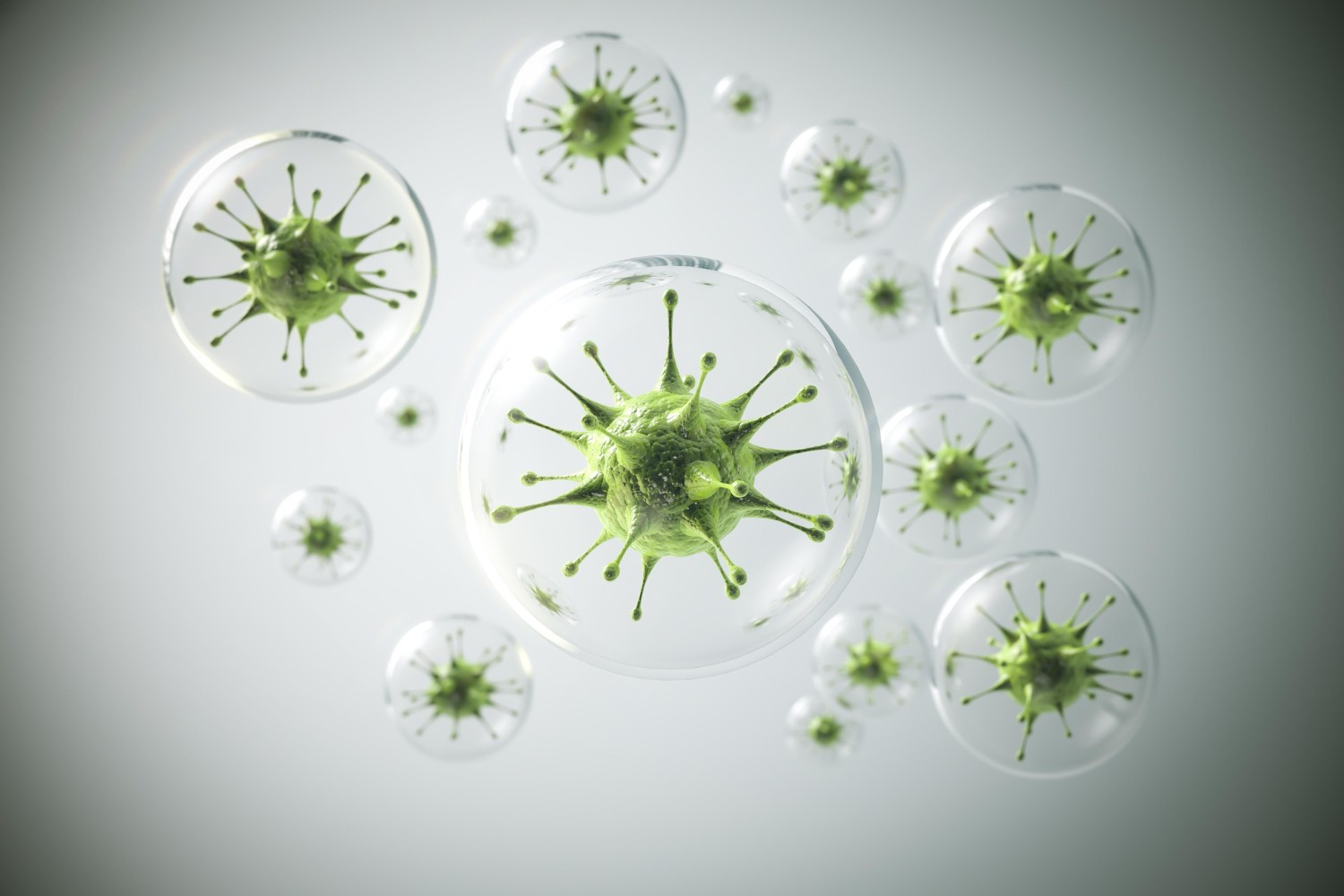
Infection Control and disease prevention are vital pillars for ensuring the safety of patients and medical staff in hospitals and healthcare facilities. Success requires a comprehensive program with written policies aimed at controlling infection sources and preventing their spread at the earliest opportunity.
Core Pillars of Effective Infection Control
To ensure the success of prevention protocols within a medical facility, focus on these key areas:
- Equipment & Resources: Providing all necessary tools for staff to implement safety standards accurately.
- Training & Supervision: Training healthcare teams on utilizing infection control systems and supervising their daily application.
- Monitoring & Sterilization: Activating surveillance systems to identify high-risk cases and maintaining organized cleaning and sterilization schedules.
- Antibiotic Stewardship: Establishing strict policies for antibiotic use to prevent resistance and ensure clinical effectiveness.
Management Responsibility and Healthcare Teams
Infection control is a shared responsibility starting from senior management's awareness of risks to the active participation of every employee. Continuous communication between clinical teams and quality officers ensures efficient medical isolation and rapid response to potential outbreaks.
Frequently Asked Questions (FAQ)
Why is infection surveillance critical in hospitals?
Surveillance identifies cases requiring medical isolation, allowing staff to implement specific preventive measures that protect other patients and contain the threat.
How does infection control protect medical staff?
By providing personal protective equipment (PPE) and enforcing strict hygiene protocols, healthcare workers significantly reduce their risk of exposure to infectious agents while performing their duties.
Get Certified in Infection Control
Whether you are a doctor or a nurse, learn the latest global prevention techniques to protect yourself, your family, and your patients.
Register Now Contact via WhatsApp