
Tags
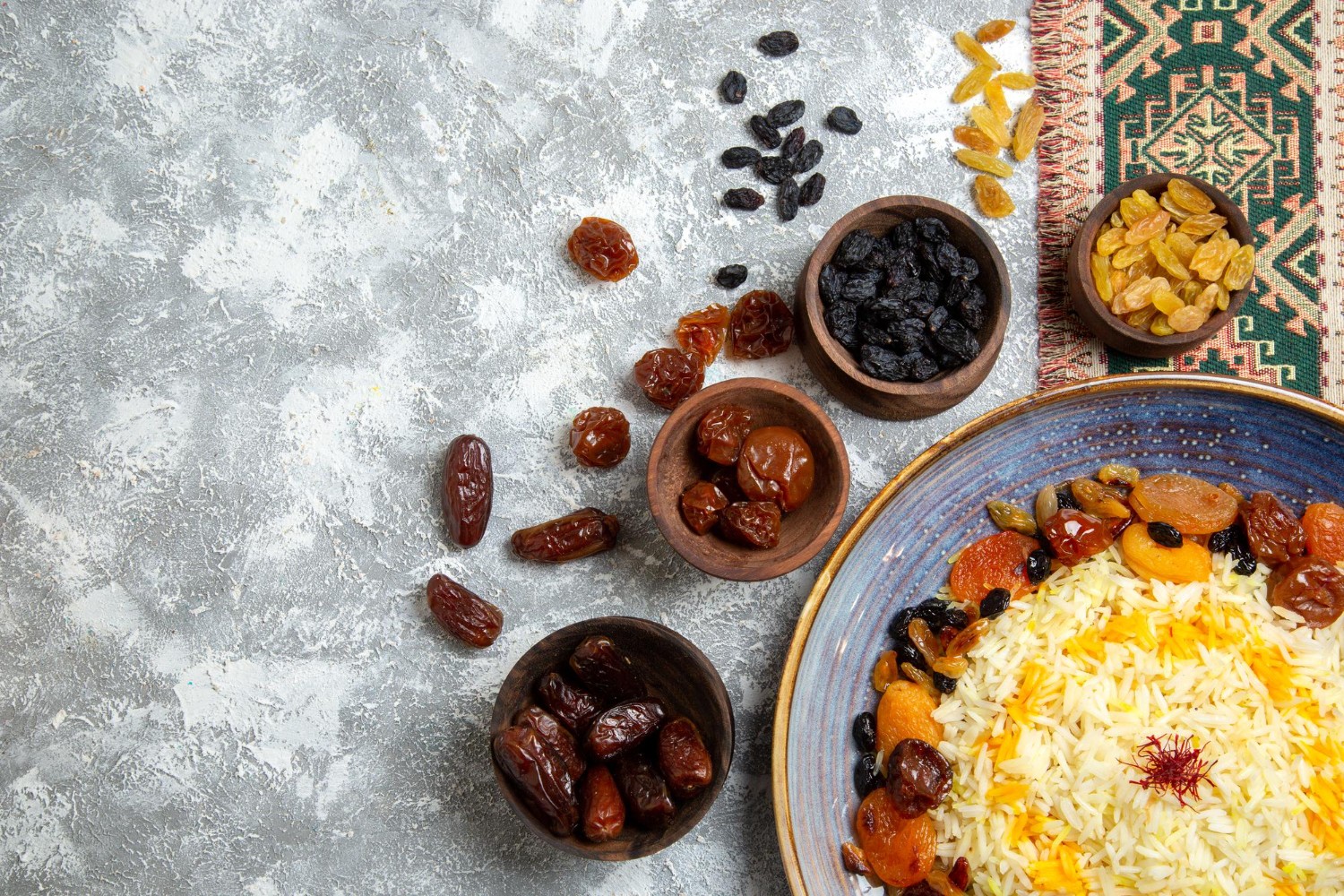
Healthy Foods for Ramadan
Choosing healthy foods for Ramadan does not require following a rigid meal plan or eliminating every food you enjoy. The main goal is to make Iftar and Suhoor nutritionally balanced and provide enough fluids, energy, protein, vegetables, grains, and other essential nutrients.
Eating and drinking patterns change during Ramadan. Large meals, frequent sweets, and heavily fried foods after a long fast may contribute to discomfort, excess calorie intake, and digestive symptoms. Better meal planning can make the non-fasting period more balanced.
This guide explains practical food choices for Iftar and Suhoor, how to distribute food and fluids between the two meals, and which eating habits are worth limiting during Ramadan. Individual needs still vary according to age, activity, climate, and health status.
What Are Healthy Foods for Ramadan?
There is no single food list that everyone must follow. A balanced Ramadan eating pattern can include foods from several groups rather than relying mainly on starches, sweets, or fried dishes.
- Vegetables: cucumber, tomatoes, leafy greens, carrots, and cooked vegetables.
- Fruit: whole fruit is generally preferable to relying heavily on juice.
- Whole grains: oats, whole-grain bread, and less-refined grains.
- Legumes: lentils, beans, chickpeas, and fava beans.
- Protein sources: fish, chicken, eggs, legumes, and suitable dairy products.
- Unsaturated fats: olive oil, nuts, and seeds in appropriate amounts.
- Hydrating foods: soup, vegetables, and water-rich fruits.
Cooking methods such as grilling, baking, boiling, steaming, or cooking with modest amounts of oil are generally better choices than frequent deep frying.
How Should You Break Your Fast?
After fasting for many hours, it can be easy to eat quickly and in large amounts. Starting gradually with water and, if appropriate for you, dates can help you transition into the main meal without immediately overeating.
A balanced Iftar may include:
- Water.
- Dates or a suitable serving of fruit.
- Soup, salad, or vegetables.
- Protein such as fish, chicken, lean meat, eggs, or legumes.
- A suitable portion of grains, rice, or bread.
- Moderate amounts of healthy fats when appropriate.
There is no universal serving size for rice, bread, or protein. Portions should reflect individual energy needs, activity, age, and health status.
What Can You Eat Between Iftar and Suhoor?
The hours between Iftar and Suhoor are an opportunity to restore fluids and meet nutritional needs without turning the entire evening into continuous eating.
If you need a snack, options can include:
- Fresh fruit.
- Yogurt or another suitable dairy product.
- A small amount of unsalted nuts.
- Chickpeas or another light legume-based snack.
- A small portion of Ramadan dessert rather than large or frequent servings.
Distribute water intake throughout the evening instead of trying to drink a very large amount at once. Hydration needs vary with climate, body size, physical activity, and medical conditions.
Read Also
What Should a Healthy Suhoor Include?
Suhoor is an opportunity to eat a light but nutritious meal before the fasting period begins. A practical approach is to combine a carbohydrate source, protein, vegetables or fruit, and water.
Examples include:
- Eggs with whole-grain bread and vegetables.
- Fava beans with bread and cucumber or tomatoes.
- Yogurt with oats and fruit.
- Lower-salt cheese with bread and vegetables.
- Lentils or other legumes with grains and vegetables.
Fiber-rich foods and protein may help support satiety, but no food can be said to remain in the stomach for a fixed number of hours for everyone.
A Practical Example of Balanced Ramadan Meals
| Time | Example | Purpose |
|---|---|---|
| Breaking the fast | Water + dates or fruit if suitable. | Gradual return to food and fluids. |
| Main Iftar | Vegetables + protein + grains or starch + moderate healthy fat. | A varied meal rather than one dominant food group. |
| Evening | Water throughout the evening and fruit or a light snack if needed. | Support hydration and energy needs without overeating. |
| Suhoor | Whole grains + protein + vegetables or fruit + water. | A nutritious pre-fast meal. |
This is not a personalized therapeutic diet. People with diabetes, kidney disease, cardiovascular conditions, pregnancy-related concerns, or medications affected by meal timing may require individualized medical and nutritional advice.
Eating Habits That May Contribute to Weight Gain During Ramadan
Fasting does not automatically cause weight loss or weight gain. Weight change depends on overall energy intake, physical activity, health status, and other factors.
- Very large Iftar meals: these may contribute to discomfort, heartburn, and excess calorie intake.
- Frequent fried foods: these can substantially increase fat and calorie intake.
- Regular sweets and sugary drinks: these make it easy to consume large amounts of added sugar and calories.
- Low physical activity: reduced movement combined with higher intake may contribute to weight gain.
- Low fiber intake: a diet with few vegetables, fruits, legumes, and whole grains may be less filling and less nutritionally balanced.
Do You Need to Avoid Coffee and Tea?
Most people do not necessarily need to eliminate coffee and tea completely, but it is sensible not to use caffeinated drinks as a replacement for water and to limit excessive caffeine, especially if it causes insomnia, palpitations, or increased urination.
Tea and coffee consumed with meals may also reduce absorption of non-heme iron from some plant foods. People with iron deficiency may benefit from separating these drinks from meals according to professional advice.
Are Ramadan Desserts Forbidden?
Desserts do not need to be completely prohibited for most healthy people. The main issue is portion size and frequency because many Ramadan sweets are high in sugar, fat, and calories.
You can reduce the portion or frequency and choose whole fruit on some days instead.
Healthy Eating Habits During Ramadan
- Drink water regularly between Iftar and Suhoor.
- Eat vegetables and fruit every day.
- Choose whole grains and fiber-rich foods when possible.
- Use varied protein sources rather than relying heavily on fatty meat.
- Limit fried and heavily processed foods.
- Reduce salty foods and pickles, especially at Suhoor.
- Eat slowly and pay attention to fullness.
- Prioritize water and whole fruit over sweetened beverages and juices.
- Maintain suitable physical activity, such as walking after Iftar if appropriate for you.
Who Should Seek Medical Advice Before Fasting?
Fasting may require individual assessment if you have a chronic health condition or take medication that is affected by food, fluids, or timing.
Professional advice is especially important for people with diabetes, kidney disease, some cardiovascular conditions, therapeutic diet requirements, pregnancy-related health concerns, or medication schedules that may need adjustment.
Frequently Asked Questions About Healthy Ramadan Eating
What Are the Best Healthy Foods for Ramadan?
A balanced selection can include vegetables, fruit, whole grains, legumes, protein-rich foods, healthy fats, and enough water, while limiting fried foods, excess sugar, and salt.
What Is a Good Suhoor for Satiety?
A practical Suhoor can combine whole grains or legumes with protein, vegetables or fruit, and water. No single meal provides the same level of satiety for everyone.
How Much Water Should You Drink During Ramadan?
Water needs differ according to age, body size, weather, physical activity, and health status. Drink enough water throughout the non-fasting period rather than relying on one fixed number for everyone.
Is Fruit Juice Better Than Whole Fruit?
Whole fruit generally provides more intact fiber and can be more filling. If you drink juice, pay attention to portion size and avoid added sugar.
Can You Eat Desserts During Ramadan?
For most healthy people, a small amount can fit within a balanced diet, but large and frequent portions can add substantial sugar and calories.
Does Ramadan Fasting Guarantee Weight Loss?
No. Some people lose weight and others gain weight. The result depends on overall food intake, activity, health status, and other individual factors.
Conclusion
Choosing healthy foods for Ramadan is mainly about balance rather than following a rigid menu. Make vegetables, grains, protein, and water regular parts of Iftar and Suhoor, while limiting fried foods, sweets, sugary drinks, and very salty foods.
Ramadan fasting should also not be treated as an automatic weight-loss program. The outcome depends on total intake, physical activity, and individual needs.
If you have a medical condition or require a therapeutic diet, your fasting and meal plan should be individualized with appropriate professional guidance.
Start Now
If you want to strengthen your understanding of nutrition fundamentals, meal planning, and nutritional needs, review the IGTS Clinical Nutrition Diploma and compare its content with your educational and professional goals.
Clinical Nutrition Diploma Contact Us via WhatsAppUpdated at: 2026-10-10 16:34:21