
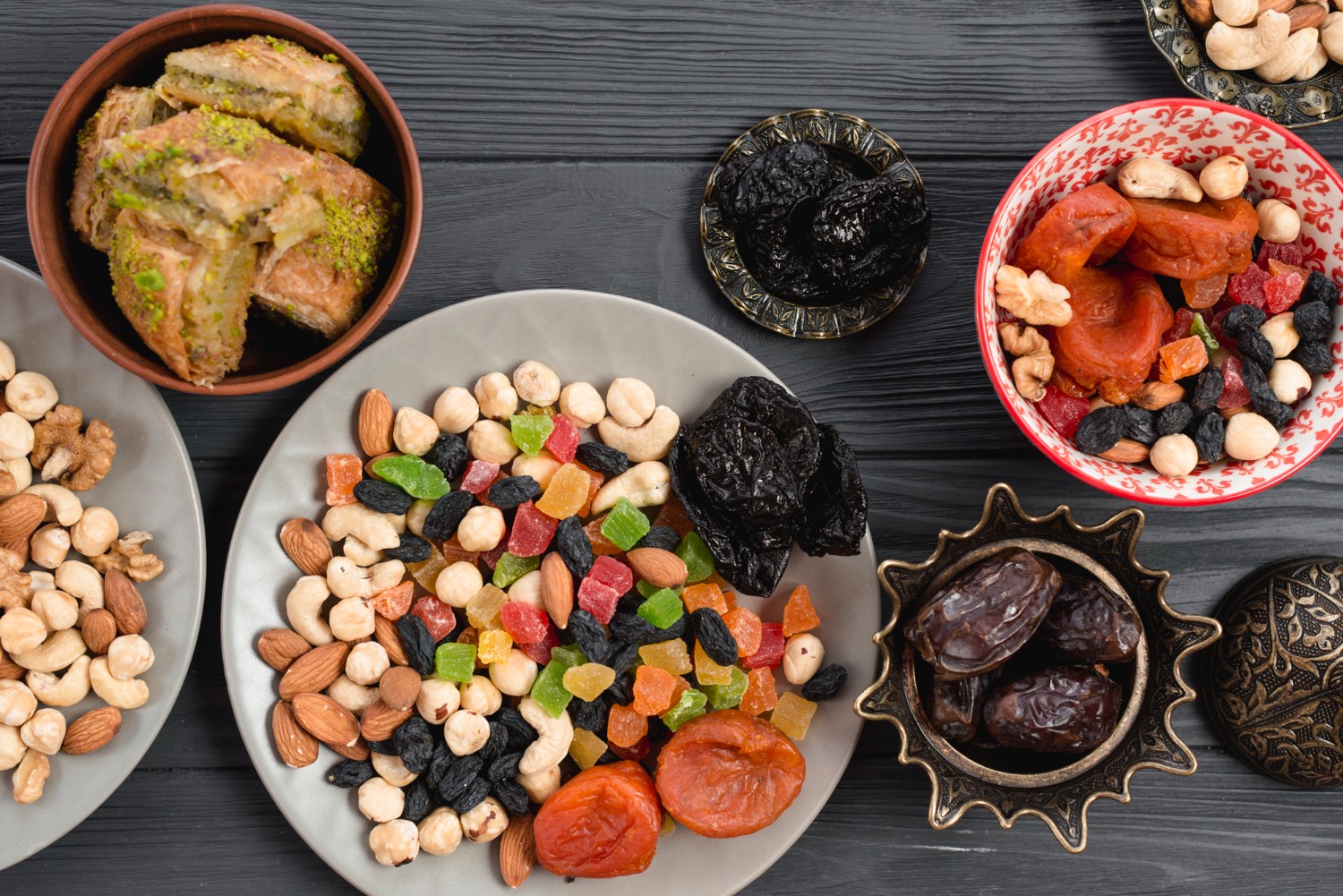
How to Follow Proper Therapeutic Nutrition During Ramadan?
Ramadan can also be a good opportunity to build healthy eating habits that may continue after the month ends, especially when following a balanced system based on the principles of proper therapeutic nutrition, while considering the body’s needs during fasting hours.
What Happens to the Body When Breaking the Fast After Hours of Fasting?
After long hours of fasting, the body needs to return to food gradually. It can be compared to a machine that has stopped working for many hours and then suddenly receives a large amount of fuel; in this case, it may not work efficiently, and problems such as fatigue or indigestion may appear.
That is why it is important to start iftar calmly and give the stomach enough time to receive food. Satiety signals usually reach the brain around 20 minutes after starting to eat, and this information can be used to organize the meal and reduce overeating.
Important Notice
The following tips are suitable for healthy individuals who do not have specific health problems. People with diabetes, high blood pressure, heart disease, kidney disease, digestive disorders, pregnant or breastfeeding women, or anyone taking regular medications should consult a doctor or nutrition specialist before changing their diet during Ramadan.
Therapeutic Nutrition Plan for Iftar
Iftar should be gradual and balanced, providing the body with energy without overloading the stomach. It can be organized as follows:
- When the call to prayer is heard, you can start with a cup of water and three dates, if suitable for your health condition.
- It is preferable to pause briefly to perform Maghrib prayer, then eat iftar after about 10 to 15 minutes.
- Have low-fat soup. Fat can be reduced by refrigerating it after cooking and then removing the fat layer that appears on the surface.
- Eat cooked vegetables, then salad, to support the body with fiber, vitamins, and minerals.
- Eat a suitable source of protein, whether animal or plant-based, such as chicken, meat, fish, or legumes.
- Eat a moderate amount of carbohydrates such as rice, pasta, or bread, according to the body’s needs and health condition.
- Use a small amount of healthy fats, preferably unsaturated vegetable oils such as olive oil, while avoiding exposing them to high heat for long periods.
The main idea of iftar is not deprivation, but organizing quantities and choosing foods that help the body digest and restore energy without feeling heavy or tired.
Important Note About Desserts After Iftar
If you want to eat some desserts after iftar, it is better to wait for about two hours after the meal so the body has time to digest. During this time, you may have light drinks such as green tea without adding large amounts of sugar.
Snacks after iftar can be organized as follows:
- First snack: Three hours after iftar, it can be a small piece of dessert in a moderate portion, without overeating.
- Second snack: Two hours later, it can include fresh fruit or a suitable amount of dried fruit.
Some fasting individuals may forget to eat fruit during Ramadan, which may contribute to constipation, especially at the beginning of the month. Therefore, it is recommended to pay attention to fruit intake, drink water, and consume fiber regularly.
Therapeutic Nutrition Plan for Suhoor
Suhoor is one of the most important meals in Ramadan because it helps the body get the energy and nutrients it needs during fasting hours. It is preferable for this meal to include foods that are filling yet light.
Suitable foods for suhoor include:
- Yogurt, preferably choosing the type suitable for the health condition. A small amount of blackstrap molasses may be added if suitable.
- A boiled egg as a good source of protein.
- A cup of fava beans, while reducing salt and oils as much as possible.
- Half a loaf of bread or a suitable amount of whole grains.
- A salad plate containing fresh vegetables, especially cucumber, as it helps hydrate the body and provides vitamins and minerals.
It is preferable to avoid very salty or high-fat foods at suhoor, as they may increase thirst or cause digestive discomfort during the day.
General Tips for Proper Therapeutic Nutrition During Ramadan
- Eat slowly and give your body time to feel full.
- Divide your meals between iftar and suhoor instead of eating a large amount at once.
- Drink water at intervals between iftar and suhoor.
- Reduce fried foods, sweets, and soft drinks as much as possible.
- Make sure your main meals include a protein source and vegetables.
- Do not skip suhoor, as it helps you fast with better energy.
Start Now
Develop your knowledge of therapeutic nutrition and its role in supporting health during Ramadan through IGTS content and training programs.
Updated at: 2026-10-10 00:35:32