
Tags
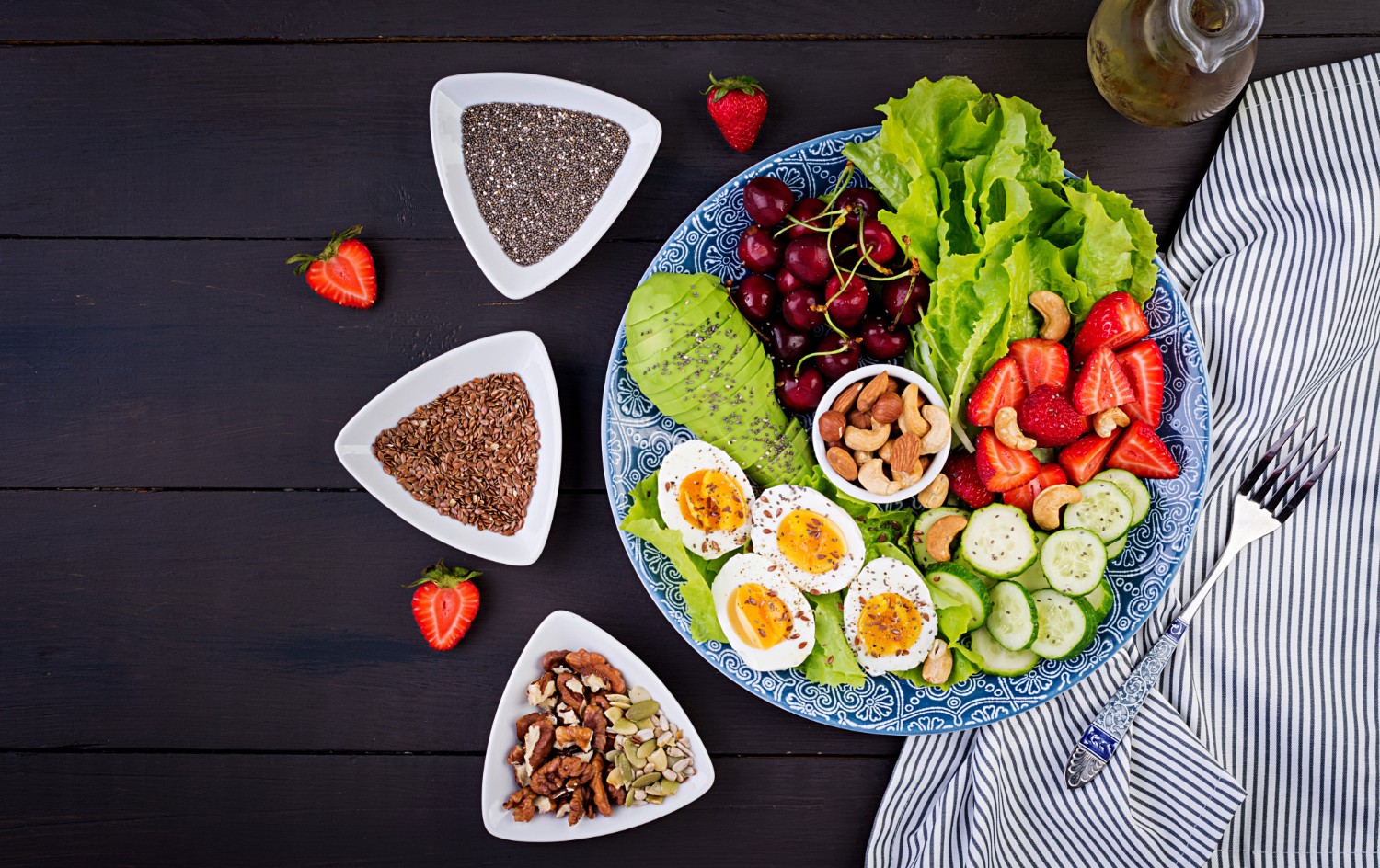
Important foods for Suhoor to maintain the body's energy
Choosing the right foods for Suhoor can help you build a more balanced meal during Ramadan. Suhoor is not simply about eating as much as possible before fasting begins; it is an opportunity to obtain fluids, carbohydrates, protein, fiber, and essential nutrients before the fasting period.
However, no single food can guarantee that you will avoid hunger or thirst throughout the day. Satiety and hydration depend on the overall meal, fluid intake, activity level, weather, health status, and the duration of the fast. A balanced Suhoor is therefore more useful than searching for one “perfect” food.
This guide explores the best Suhoor foods for energy and satiety, how to combine them into a balanced meal, foods worth limiting, and practical Suhoor meal ideas for Ramadan.
What Should a Healthy Suhoor Include?
A balanced Suhoor can combine several food groups rather than relying on one food:
- Carbohydrates: preferably fiber-rich or whole-grain options such as whole-grain bread or oats.
- Protein: such as eggs, yogurt, milk, suitable cheese, beans, lentils, or other legumes.
- Vegetables or fruit: for fiber, vitamins, minerals, and additional fluid.
- Water: as the main drink for hydration.
- Healthy fats in moderate amounts: such as nuts or olive oil.
Appropriate portions differ between individuals according to energy requirements, activity, body size, and health status.
Best Suhoor Foods for Energy and Satiety
1. Beans and Legumes
Fava beans, lentils, and chickpeas provide plant protein, fiber, and carbohydrates.
Protein and fiber can help support satiety, but it is not accurate to claim that beans remain in the stomach for a fixed number of hours or completely prevent hunger.
Fava beans can be combined with bread, vegetables, and a modest amount of olive oil for a more varied Suhoor.
2. Eggs
Eggs provide protein and several nutrients and can easily be included in Suhoor.
They can be boiled or cooked with a modest amount of oil and combined with vegetables and bread or grains.
Calorie content depends on portion size, preparation method, and added ingredients, so not every egg dish has the same nutritional profile.
3. Yogurt and Dairy Products
Yogurt can provide protein, calcium, and fluid and can be part of Suhoor for people who tolerate dairy products.
Combining yogurt with oats, fruit, or a small amount of nuts can make the meal more balanced.
Yogurt is not essential for everyone, and tolerance varies, particularly among people with lactose intolerance or certain digestive conditions.
4. Whole-Grain Bread and Grains
Bread and grains provide carbohydrates that the body uses for energy.
Where practical, whole-grain bread, oats, and other whole grains can provide more fiber than refined grain options.
Combine them with protein and vegetables rather than relying on bread alone.
5. Oats
Oats are a whole grain and provide fiber. They can form a convenient Suhoor when combined with milk or yogurt.
Fruit and a small amount of nuts can be added instead of relying heavily on sugar or sweeteners.
6. Vegetables
Cucumber, tomatoes, lettuce, leafy greens, and other vegetables contribute water, fiber, vitamins, and minerals.
However, vegetables cannot prevent thirst on their own. Hydration depends primarily on overall fluid intake during the non-fasting period.
7. Water-Rich Fruit
Watermelon, oranges, strawberries, and other water-rich fruit can contribute to total fluid and nutrient intake.
They support hydration but cannot guarantee that you will not feel thirsty later in the day.
8. Bananas
Bananas provide carbohydrates and potassium and can be combined with yogurt, oats, or nuts.
They are a useful option, but they are not uniquely necessary for energy or satiety if your diet provides these nutrients from other foods.
9. Potatoes
Potatoes provide carbohydrates, potassium, and other nutrients and can be included in Suhoor when boiled or baked.
Frequent deep-frying can substantially increase fat and calorie content.
10. Dates
Dates can be eaten at Suhoor as well as Iftar. They provide carbohydrates, fiber, and several minerals.
They also contain naturally occurring sugars, so portion size should reflect the rest of the meal and individual health needs.
5 Balanced Suhoor Meal Ideas
| Meal | Example | What It Provides |
|---|---|---|
| 1 | Fava beans + whole-grain bread + cucumber and tomatoes + water. | Plant protein, fiber, carbohydrates, and fluid. |
| 2 | Eggs + whole-grain bread + vegetables + water. | Protein, carbohydrates, and vegetables. |
| 3 | Yogurt + oats + banana or other fruit + unsalted nuts. | Protein, whole grains, fruit, and unsaturated fat. |
| 4 | Lower-salt cheese + bread + vegetables + fruit. | Protein, carbohydrates, and fiber. |
| 5 | Oats with milk or yogurt + fruit + a small amount of nuts. | Whole grains, protein, and fruit. |
These are general examples rather than individualized therapeutic meal plans. Portions and ingredients can be adjusted according to personal needs and health conditions.
How Can You Stay Hydrated Around Suhoor?
Because drinking is not possible during fasting hours, hydration needs to be addressed between Iftar and Suhoor.
- Spread water intake across the non-fasting period.
- Make water your main drink rather than sugary beverages.
- Include water-rich fruit and vegetables.
- Limit very salty foods.
- Avoid trying to drink an excessive amount immediately before dawn.
Fluid requirements vary according to body size, weather, physical activity, and health status, so one fixed number of glasses does not fit everyone.
Foods to Limit at Suhoor
Very Salty Foods
Limit pickles, highly salted cheeses, processed meats, and other high-sodium foods, particularly if your usual diet already contains substantial salt.
Fried and Very Fatty Foods
These can make the meal heavier and substantially increase fat and calorie intake. Baking or grilling can be useful alternatives.
Large Amounts of Sugar
Do not make sweets or highly sugary foods the foundation of Suhoor. They add significant sugar and calories without providing the overall balance of a complete meal.
Excessive Caffeine
Many people can consume coffee or tea in moderation, but excessive caffeine may affect sleep in some individuals, and caffeinated drinks should not replace water.
Does Suhoor Need to Be a Large Meal?
Not necessarily. Eating a very large amount does not guarantee that you will remain full all day and may cause heaviness or discomfort.
A moderate meal combining protein, carbohydrates, fiber, fruit or vegetables, and fluids is generally a more practical approach.
Frequently Asked Questions About Suhoor Foods
What Are the Best Suhoor Foods for Satiety?
Meals combining protein, fiber, and carbohydrates—such as beans with bread and vegetables, eggs with whole grains, or yogurt with oats and fruit—can help create a more balanced and satisfying Suhoor.
What Should I Eat at Suhoor to Avoid Thirst?
No food completely prevents thirst. Adequate water intake, water-rich fruit and vegetables, and limiting very salty foods can support hydration.
Are Fava Beans the Best Suhoor Food?
They are a useful option because they provide plant protein and fiber, but they are not the only choice. Eggs, yogurt, grains, and other foods can also form a balanced Suhoor.
Does Yogurt Prevent Thirst?
Yogurt contains fluid and can contribute to the meal, but it cannot prevent thirst on its own. Hydration depends on total fluid intake and factors such as weather and activity.
Are Bananas Good for Suhoor?
Yes. Bananas provide carbohydrates and potassium and can be combined with protein or whole grains as part of a balanced meal.
Can You Eat Dates at Suhoor?
Yes. Dates can be part of Suhoor, but they contain natural sugars, so portion size and total carbohydrate intake should be considered, particularly for people managing blood glucose.
Conclusion
The best Suhoor foods are not a fixed list. A useful approach is to combine carbohydrates, protein, fiber, fruit or vegetables, and fluids in a balanced meal.
Beans, eggs, yogurt, whole grains, oats, vegetables, and fruit can all be useful choices, but no food can guarantee complete protection from hunger or thirst.
Focus on variety, hydration throughout the non-fasting period, and limiting excessive salt, fried foods, and added sugar while adapting your meal to your individual health needs.
Start Now
If you want to develop your understanding of nutrition, meal planning, and nutrients, review the IGTS Clinical Nutrition Diploma and compare its content with your educational and professional goals.
Clinical Nutrition Diploma Contact Us via WhatsAppUpdated at: 2026-10-10 02:15:54