
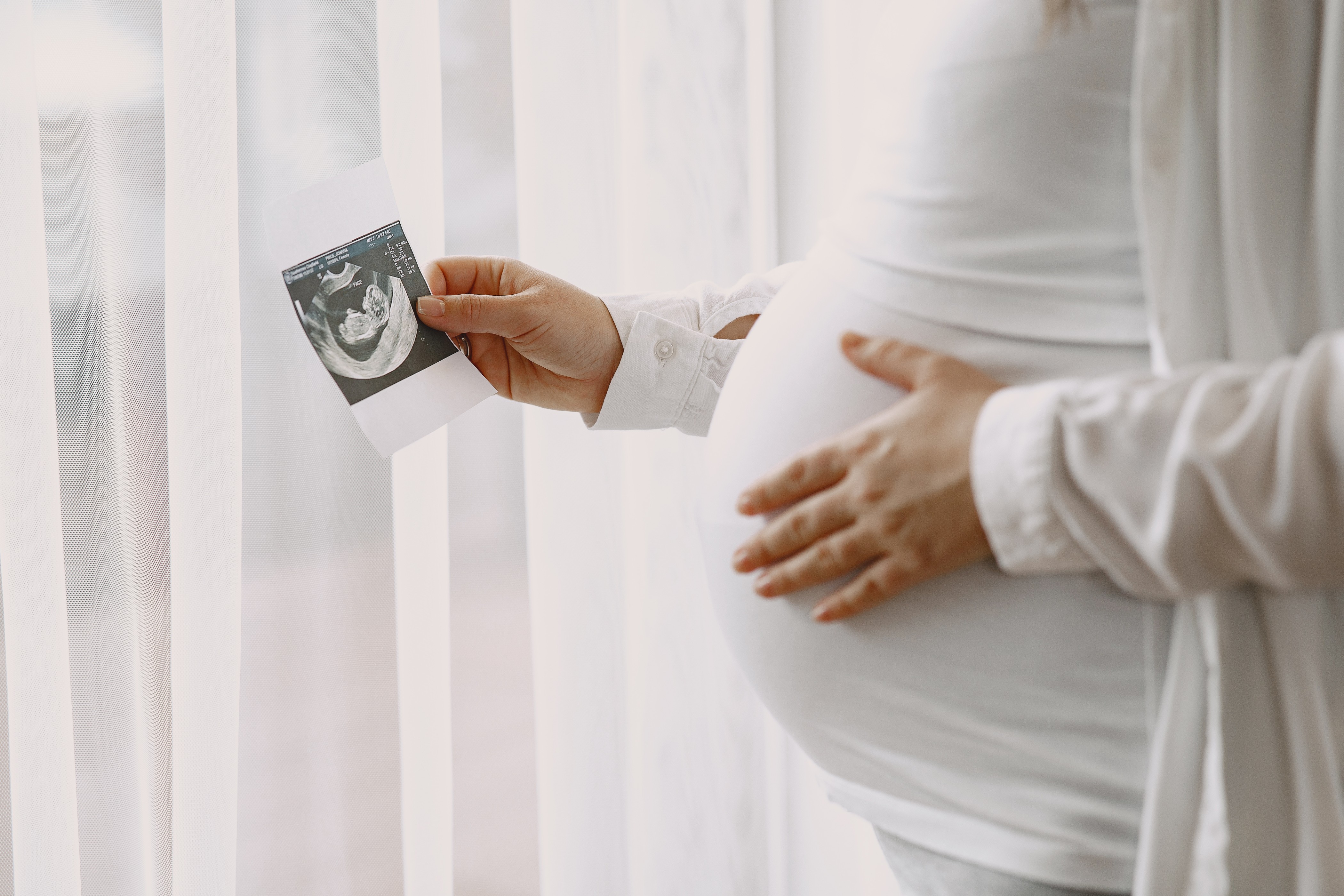
What to Eat When Pregnant: A Complete Guide to Allowed and Forbidden Foods
Pregnancy nutrition is an important part of supporting both maternal health and fetal growth. During pregnancy, the body needs a balanced intake of nutrients to support the baby's development while helping the mother meet her changing nutritional needs.
Choosing healthy food during pregnancy means focusing on nutrient-rich foods, food safety, adequate hydration, and appropriate prenatal supplementation as recommended by a healthcare professional.
The Importance of Proper Nutrition During Pregnancy
Pregnancy nutrition supports the nutritional needs of both the mother and the developing baby. Nutrients such as folate, iron, calcium, protein, and other vitamins and minerals play important roles throughout pregnancy.
A balanced maternal diet contributes to fetal nutrition, while prenatal vitamins or individual supplements may also be recommended according to the mother's health, diet, and medical advice.
Read Also
Healthy Foods During Pregnancy: What to Eat
Choosing healthy food during pregnancy helps provide the energy and nutrients needed by the mother while supporting healthy fetal development.
Protein, Folate, Iron and Calcium
A varied diet can provide many of the essential nutrients required during pregnancy.
Useful food sources include:
- Protein: thoroughly cooked meat, poultry, eggs, legumes, nuts, and other suitable protein sources.
- Folate: leafy green vegetables, legumes, and fortified foods, alongside folic acid supplementation when recommended.
- Iron: meat, lentils, beans, and iron-fortified foods.
- Calcium: pasteurized milk, yogurt, cheese, and other suitable calcium-rich foods.
What foods are good for pregnant women and their babies?
A balanced pregnancy diet can include vegetables, fruits, whole grains, protein-rich foods, pasteurized dairy products, and appropriately selected cooked fish. Individual needs may vary, so medical or dietetic advice is important when there are deficiencies or pregnancy complications.
Fruits and Vegetables for a Balanced Pregnancy Diet
Fruits and vegetables provide vitamins, minerals, fiber, and other nutrients that contribute to a balanced pregnancy nutrition plan.
Examples include:
- Oranges and strawberries as sources of vitamin C.
- Carrots and sweet potatoes as sources of beta-carotene.
- Apples and bananas as convenient fruit choices.
- Leafy vegetables as sources of folate and other micronutrients.
Fresh produce should be washed thoroughly under running water before eating or preparing it.
Foods to Avoid or Limit During Pregnancy
Food safety becomes particularly important during pregnancy because some foodborne infections can cause serious complications.
Raw or Undercooked Meat, Eggs and Seafood
Raw or undercooked animal products can contain harmful bacteria or parasites, so foods should be prepared and cooked safely.
Foods to avoid or handle carefully include:
- Raw or undercooked meat and poultry.
- Raw or undercooked fish and shellfish, including raw-fish sushi.
- Raw or undercooked eggs unless pasteurized eggs are used appropriately.
- Unpasteurized milk and foods made from unpasteurized milk.
- Fish known to contain high levels of mercury.
Cooked fish that is lower in mercury can still be an important part of a pregnancy diet. Appropriate fish choices provide protein and other nutrients, so the goal is to select safer varieties rather than avoid all seafood.
What foods should be avoided in early pregnancy?
Pregnant women should avoid raw or undercooked meat, fish, shellfish and eggs, as well as unpasteurized milk products and high-mercury fish. Food-safety recommendations apply throughout pregnancy, not only during the first trimester.
Caffeine and Sugary Drinks
Caffeine intake should be monitored during pregnancy because caffeine can come from several sources, including coffee, tea, chocolate, soft drinks, and energy drinks.
General recommendations include:
- Keep total caffeine intake below 200 mg per day unless your healthcare professional advises otherwise.
- Count caffeine from coffee, tea, chocolate, soft drinks, and other sources.
- Limit drinks that contain large amounts of added sugar.
- Choose water and other appropriate hydrating drinks regularly.
Is coffee harmful during pregnancy?
Moderate caffeine intake is generally considered acceptable during pregnancy. The commonly recommended limit is less than 200 mg of caffeine per day from all sources, rather than a fixed number of cups because caffeine content varies between drinks.
Tips for Managing Morning Sickness and Heartburn
Nausea and digestive discomfort are common during pregnancy, and adjustments to eating habits may help some women manage these symptoms.
Helpful approaches may include:
- Eat smaller, more frequent meals.
- Avoid foods or smells that trigger nausea.
- Limit very fatty or spicy foods if they worsen heartburn.
- Drink fluids regularly throughout the day.
- Ginger-containing foods or drinks may help reduce nausea for some women.
If vomiting becomes severe, you cannot keep fluids down, or you develop signs of dehydration, contact your obstetric healthcare provider.
Watch: Pregnancy Nutrition
How to Develop Skills in Clinical Nutrition
Professionals interested in clinical nutrition can develop their knowledge of nutrition assessment, dietary planning, and nutritional needs during different stages of life, including pregnancy.
Important areas to study include:
- Fundamentals of clinical nutrition.
- Nutritional requirements across different life stages.
- The relationship between nutrition and health conditions.
- Diet assessment and meal-planning principles.
- Pregnancy-specific nutritional requirements and food-safety considerations.
For pregnancy-specific training, explore the Nutritional Needs During Pregnancy Course from IGTS.
Professional titles, scopes of practice, and licensing requirements vary by country, so learners should check the regulations that apply where they intend to work.
Conclusion
Pregnancy nutrition is an important part of supporting maternal well-being and fetal development. A balanced diet, appropriate prenatal care, safe food preparation, and awareness of foods that should be avoided or limited can help support a healthy pregnancy.
Medical note: Nutritional needs differ between pregnancies. Women with anemia, diabetes, hypertension, severe nausea, multiple pregnancy, food allergies, or other medical conditions should follow individualized advice from their obstetric healthcare professional or qualified dietitian.
Develop Your Clinical Nutrition Skills
Develop your knowledge of clinical nutrition and learn more about nutritional planning for different health conditions and stages of life.
Updated at: 2026-10-10 10:16:51