
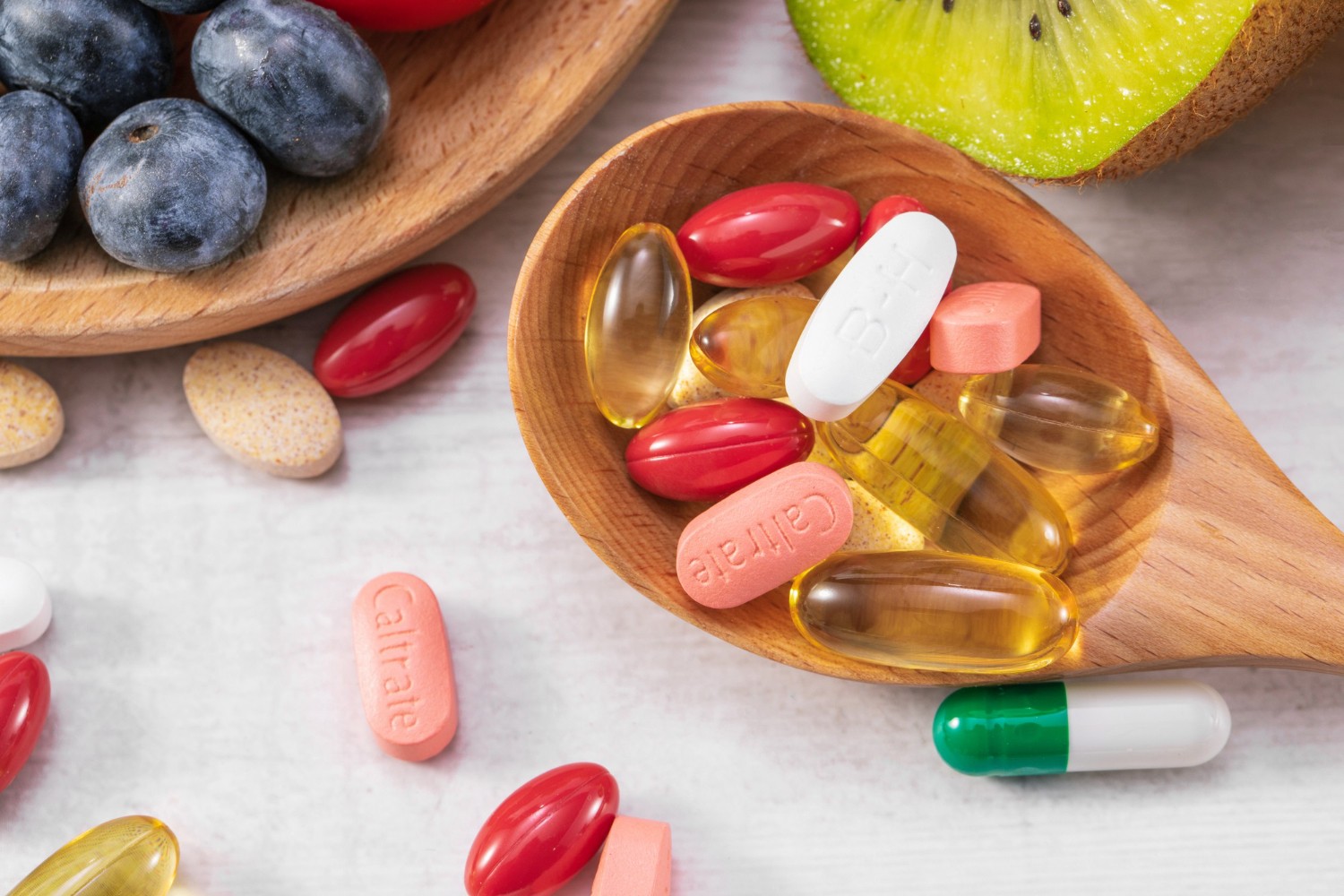
The Relationship Between Vitamins and Dietary Supplements
The relationship between mental health and body vitamins is closely interconnected. A deficiency in certain essential vitamins and minerals may increase the likelihood of developing psychological disorders, anxiety, and stress. Likewise, chronic psychological stress can negatively affect the body's ability to absorb important nutrients.
Mental health specialists have also indicated that prolonged stress may deplete important vitamins such as B vitamins, Vitamin C, and Vitamin E, which can impact both physical and mental well-being. Therefore, maintaining proper nutrition has become an essential part of supporting mental health and improving overall quality of life.
The Relationship Between Vitamins and Mental Health
Vitamins and minerals play a crucial role in supporting brain and nervous system functions. They help regulate neurotransmitters responsible for mood, focus, and emotional well-being. When deficiencies occur, symptoms such as anxiety, stress, sleep disturbances, depression, and poor concentration may appear.
Additionally, chronic psychological stress can increase the body's consumption of essential vitamins, making a balanced diet vital for maintaining both mental and physical health.
Key Vitamins That Support Mental Health Stability
1. Vitamin C
Vitamin C helps regulate cortisol levels, the hormone associated with stress and anxiety. It also contributes to reducing fatigue and improving overall energy levels.
Major dietary sources include:
- Oranges
- Lemons
- Guava
- Kiwi
- Bell peppers
2. Vitamin B12
Vitamin B12 is one of the most important vitamins for nervous system health. Deficiency may be associated with depression, poor concentration, memory problems, and chronic fatigue.
Its primary sources include:
- Egg yolks
- Liver
- Milk and dairy products
- Salmon
- Mackerel
- Sardines
3. Vitamin B2 (Riboflavin)
Vitamin B2 helps protect nerve cells from damage while supporting energy production and optimal brain function.
Major sources include:
- Eggs
- Nuts
- Legumes
- Lean meats
- Dairy products
4. Vitamin B6
Vitamin B6 is essential for producing serotonin and dopamine, two key neurotransmitters responsible for mood regulation and emotional well-being. Deficiency may increase the risk of depression and mood disorders.
| Vitamin | Role in Mental Health | Main Sources |
| Vitamin C | Reduces stress and supports energy levels | Citrus fruits, guava, kiwi |
| Vitamin B12 | Supports the nervous system and reduces depressive symptoms | Liver, fish, dairy products |
| Vitamin B2 | Protects nerve cells | Eggs, nuts, legumes |
| Vitamin B6 | Supports serotonin and dopamine production | Meat, fish, whole grains |
Related Topics: Therapeutic Nutrition Guidelines for Treating Albumin Deficiency | The Impact of Vitamin B12 Deficiency on Mental Health
Conclusion
Vitamins and minerals play a vital role in maintaining mental and emotional balance by supporting brain function and regulating neurotransmitters responsible for mood, energy, and concentration.
Therefore, following a balanced diet and ensuring adequate intake of essential nutrients can significantly support mental health and help prevent disorders associated with vitamin deficiencies.
Get Started Today
Gain deeper knowledge about the connection between nutrition and mental health and develop your professional skills through IGTS accredited programs.
Updated at: 2026-10-10 04:45:19