
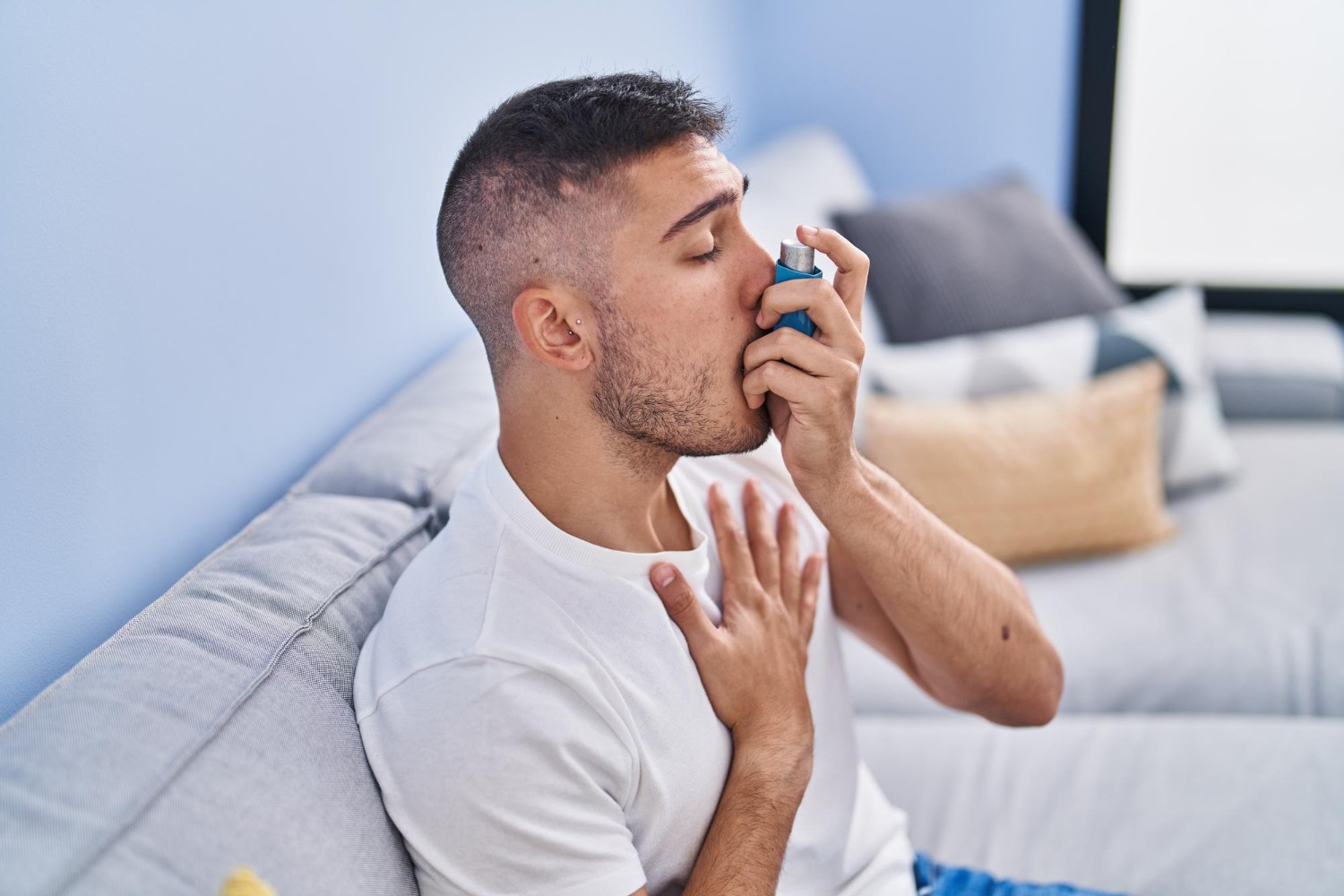
First Aid Methods for Dealing with a Pneumonia Patient
What Is Pneumonia?
Pneumonia is an inflammation that affects one or both lungs. It is commonly caused by bacterial infections, but in some cases, it may result from fungal or viral infections such as (COVID-19) . In this article, we will discuss first aid methods for dealing with pneumonia patients. The infection causes inflammation in the air sacs of the lungs, filling them with fluid or pus, which leads to breathing difficulties. (1)
Symptoms of Pneumonia
In some cases, symptoms may appear mild, but if left untreated, pneumonia can lead to serious complications that may threaten the patient’s life. Common symptoms include:
- Cough that may be accompanied by mucus or phlegm.
- High body temperature.
- Excessive sweating.
- Shortness of breath.
- Chest pain.
- Loss of appetite.
- Nausea or vomiting.
- Fatigue and exhaustion.
- Headaches.(2)
People Most at Risk of Pneumonia
- Infants and children.
- Older adults.
- Smokers.
- People with asthma or cystic fibrosis.
- Individuals with heart, liver, or kidney problems.
- People with weakened immune systems such as AIDS patients, lupus patients, or individuals undergoing chemotherapy for cancer treatment.(3)
💡 Read Also:
Is Pneumonia Contagious?
Yes. The bacteria or viruses responsible for pneumonia are contagious and can spread from one person to another through:
- Coughing.
- Sneezing.
- Touching contaminated surfaces.(4)
Complications of Pneumonia
If pneumonia is not treated properly, it may lead to serious complications such as:
- Bacteria spreading into the bloodstream, leading to blood poisoning.
- Difficulty breathing.
- Fluid accumulation around the lungs.
- Lung abscess formation.(5)
Diagnosis of Pneumonia
Pneumonia is usually diagnosed based on the patient’s symptoms and physical examination. Doctors may request additional tests such as a Complete Blood Count (CBC) to determine whether an infection is present in the body. In most cases, doctors also request a chest X-ray and blood oxygen level measurement to ensure an accurate diagnosis.
Treatment of Pneumonia
Treatment depends on the underlying cause of pneumonia. Common medications used include:
- Antibiotics, which should be taken for the full prescribed duration to avoid bacterial resistance.
- If the infection is viral, the immune system usually fights the virus naturally, meaning antibiotics are ineffective. However, antiviral medications may sometimes be prescribed.
- Aspirin or acetaminophen may be used to reduce fever.
- Cough suppressants and mucus-thinning medications.(7)
First Aid for Pneumonia Patients
Emergency physicians have explained several first aid procedures for dealing with pneumonia patients, including:
- Monitoring breathing rate, heart rate, and body temperature.
- Administering intravenous antibiotics.
- Providing oxygen masks in cases where the patient suffers from severe breathing difficulties.(8)
Learn more about our first aid and nursing courses here
How to Prevent Pneumonia
- Wash hands regularly, especially before eating and after using the bathroom.
- Eat plenty of fruits and vegetables to strengthen the immune system.
- Exercise regularly.
- Get enough sleep, ideally between 6–8 hours daily.
- Quit smoking and avoid alcohol consumption.
- Be cautious when dealing with infected individuals to reduce the risk of infection.
- People are advised to receive two vaccines that help protect against pneumonia:
The pneumovax23 or prevnar13 vaccine helps protect against bacteria that cause pneumonia.
The second type is a vaccine that protects against viruses that may lead to pneumonia, such as the annual flu vaccine.(9)
💡 Read Also:
References
1. pneumonia
3. the risk factors of pneumonia
5. the complications of pneumonia
6. the diagnostic criteria of pneumonia
Start Now
Learn the fundamentals of first aid and how to professionally deal with emergency medical situations.
Updated at: 2026-10-10 14:17:36