
Tags
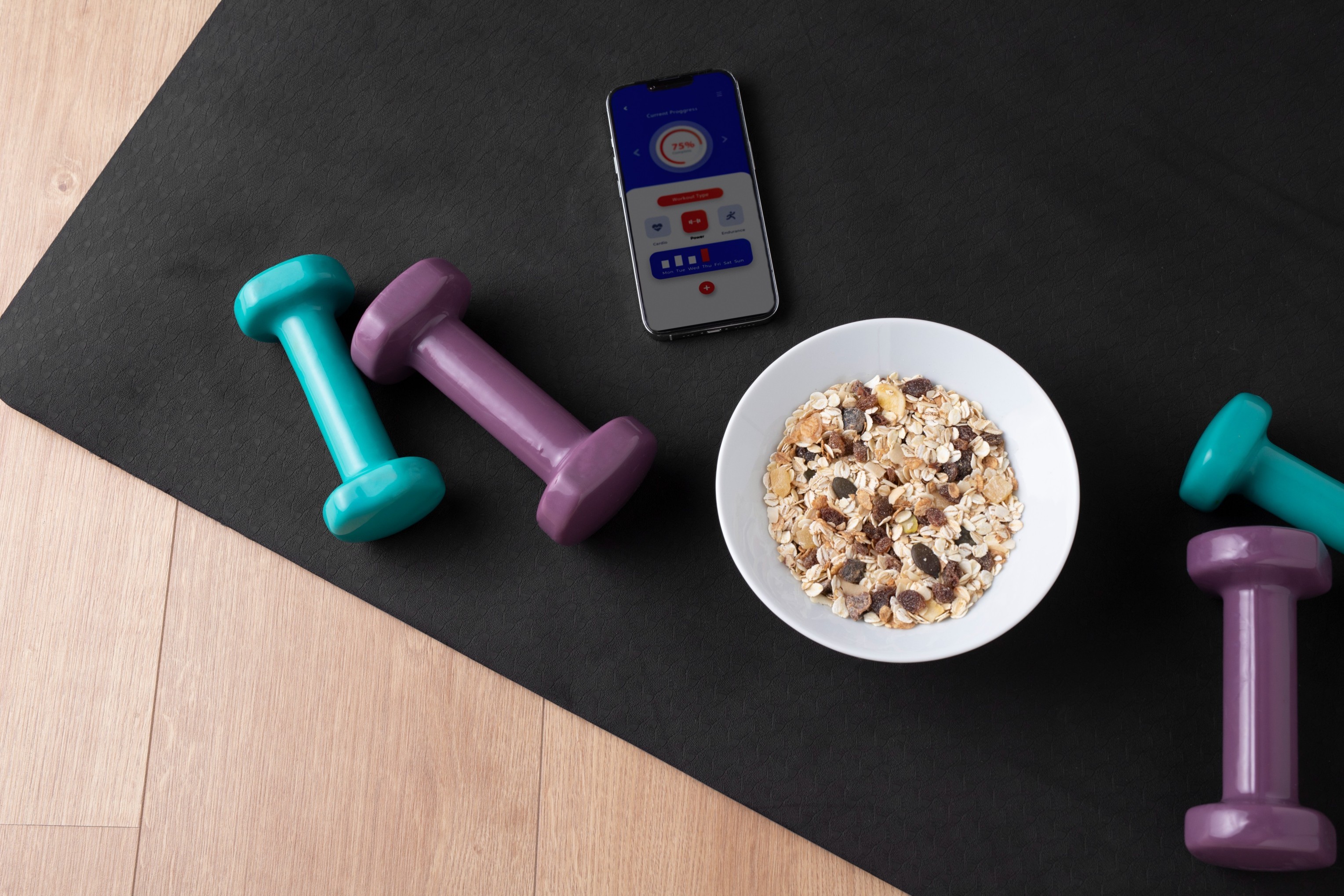
The Ultimate Guide to Sports Nutrition and Designing the Perfect Diet for Athletes
In the world of fitness and health, sports nutrition plays an important role in supporting physical performance, muscle development, and recovery after exercise. Athletic success does not depend on training alone; it is also influenced by a carefully planned diet for athletes that reflects each individual's goals and nutritional needs.
Whether you are a coach, an athlete, or someone interested in health, understanding the fundamentals of athlete nutrition can help you approach food and training in a more structured and informed way. In this guide, you will learn how an athlete diet is developed, what can be eaten before and after exercise, and how to begin your educational journey in nutrition.
What Is Sports Nutrition and Why Is It Different from Regular Nutrition?
Sports nutrition is the application of nutrition principles to the demands of physical activity and training, with the aim of supporting performance, endurance, recovery, and general health. Athletes' needs vary according to the type, intensity and duration of exercise, their goals, body weight, and health status, so there is no single nutrition plan that suits every athlete.
What Are the Basics of Sports Nutrition?
Sports nutrition is built around a balance of essential nutrients. Protein contributes to muscle tissue repair and development, carbohydrates are an important source of energy and help replenish glycogen, while healthy fats provide energy and support many body functions. Appropriate hydration and meal timing are also important components of an athlete's nutrition strategy.
How to Design a Diet for Athletes Step by Step
Creating an effective diet for athletes involves following evidence-based steps that support the intended goal, whether it is gaining muscle, reducing body fat, or improving performance, while also considering individual differences and health status.
Calculating Calories and Macronutrients: Protein, Carbohydrates, and Fats
The first step in designing a diet for athletes is estimating the body's energy requirements. This generally involves:
- Estimating Basal Metabolic Rate (BMR)
- Determining physical activity and training load
- Adjusting total energy intake according to the goal, whether weight gain, weight loss, or maintenance
Macronutrient Distribution:
| Nutrient | General Requirement and Role |
|---|---|
| Protein | Many athletes may require approximately 1.2–2.0 g per kg of body weight per day, although individual needs vary according to the sport, training load, goal, and personal circumstances. |
| Carbohydrates | A major fuel source that supports glycogen stores. The appropriate amount varies considerably according to training volume and intensity. |
| Healthy Fats | Provide energy and essential fatty acids and support body functions and the absorption of fat-soluble vitamins. |
Pre-Workout Nutrition: What Should You Eat for Energy?
Planning what to eat before and after exercise can support performance and recovery, although meal size and timing should be adapted to the duration and intensity of training and the athlete's digestive tolerance.
Approximately 1–3 hours before exercise, depending on the person and the meal:
- An appropriate carbohydrate source, such as oats or rice
- A suitable protein source, such as yogurt or eggs
- Avoid very heavy or high-fat meals if they slow digestion or cause discomfort during exercise
Goal: Provide fuel for the training session, support concentration, and reduce early fatigue or hunger.
Post-Workout Nutrition: Muscle Recovery and Development
The second part of eating before and after exercise is equally important. However, every athlete does not need to consume a protein supplement immediately after finishing a workout. Meeting total daily energy and protein requirements and distributing them appropriately across the day are important priorities.
After exercise and during the recovery period:
- Consume a high-quality protein source from food. A protein powder such as whey can be used when appropriate and useful within the person's overall diet
- Consume carbohydrates to help replenish glycogen, particularly when training volume is high or recovery time between sessions is limited
Goal: Support muscle recovery, provide nutrients needed for adaptation to training and tissue development, and replenish energy stores according to individual needs.
Before exercise, an athlete can choose a meal containing carbohydrates together with a suitable protein source, such as oats with yogurt, while adjusting the portion and timing to individual needs. After exercise, a meal combining protein and carbohydrates can support recovery and energy replenishment. Protein does not have to come from supplements; regular foods can meet the requirement in many cases as part of an appropriate athlete nutrition plan.
The Importance of Hydration for Physical Performance
A sports nutrition strategy is not complete without appropriate hydration, as fluid losses during exercise can affect physical performance and the body's ability to regulate temperature.
- Why is water important? It helps maintain fluid balance, supports temperature regulation and physical performance, and appropriate hydration can help reduce the risk of heat-related problems.
- General recommendations: Begin exercise appropriately hydrated, consume fluids during exercise according to individual needs and sweat losses, and replace fluids after training.
Dehydration can negatively affect performance, so hydration strategies should reflect the individual, exercise duration, environmental conditions, and rate of fluid loss.
Read Also
How Can You Begin Studying Sports and Clinical Nutrition Professionally?
If you are interested in athlete nutrition, you can develop your knowledge by studying nutrition fundamentals, learning how nutritional requirements are assessed and plans are structured, and understanding the relationship between food, physical activity, and different health conditions before choosing training programs that match your learning goals.
It is important to distinguish between completing a training course or diploma and obtaining an academic qualification, professional license, or professional classification. Completing nutrition training does not automatically grant the legal right to practise a regulated healthcare profession. Requirements for using professional nutrition titles or providing clinical nutrition services vary by country and regulatory authority.
You can also review the IGTS guide to requirements for studying clinical nutrition for non-physicians to understand relevant training pathways, while consulting the appropriate professional regulator in your country for actual licensing and practice requirements.
How Do I Design a Diet for Athletes?
To design a diet for athletes, energy requirements should first be estimated according to the goal, followed by an appropriate distribution of protein, carbohydrates, and fats and consideration of meal timing before and after exercise. The type of sport and activity level should also be taken into account. Health conditions, food allergies, medications, and personal preferences are also relevant, and when a medical condition or therapeutic nutrition requirement is involved, the plan should be developed with an appropriately qualified professional in accordance with local professional regulations.
Conclusion
Understanding sports nutrition is an important part of supporting physical performance and achieving health and athletic goals. By developing a diet for athletes around individual needs, paying attention to what to eat before and after exercise, and maintaining appropriate hydration, athletes can support performance and recovery in a more structured and healthy way.
Start Now
If you want to develop your knowledge of sports nutrition and nutrition planning for physical performance, explore IGTS training programs and choose the option that best matches your learning goals.
Sports Nutrition Diploma Practical for Sports Nutrition Course Contact Us via WhatsAppUpdated at: 2026-10-09 14:46:21