
Human Resources Development: Everything You Need to Know | IGTS
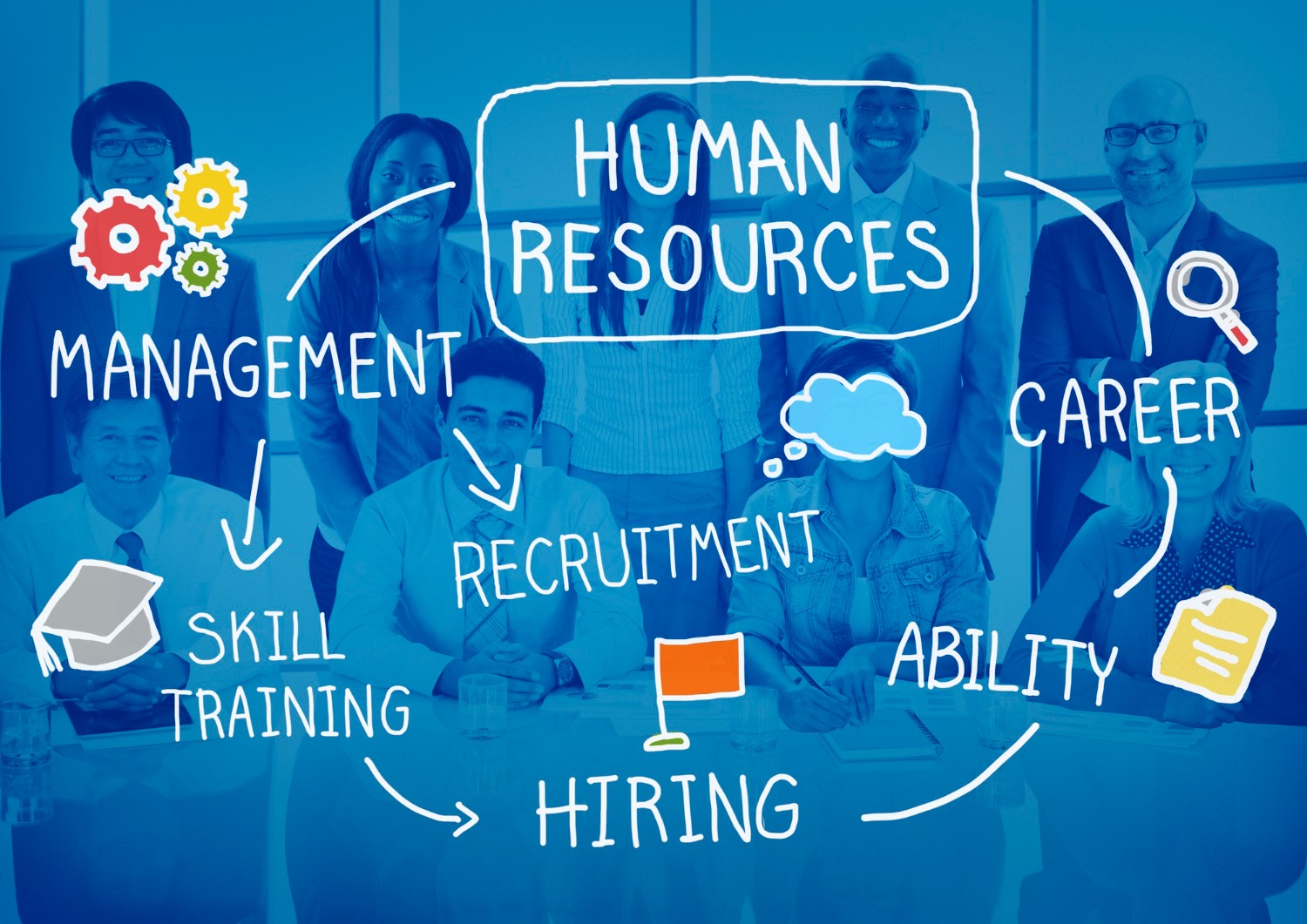
Human Resources has become an integral part of companies and organizations that wish to evaluate and develop the skills and experiences of their employees. It fulfills all the company's needs and requirements. HR focuses all its efforts on employees so they can perform at their best, elevate the company's standards, and achieve its specific goals. In the following lines, we will provide you with some essential details regarding Human Resources development.
Human Resources Overview
- The human relations movement first discussed Human Resources through Frederick Taylor at the beginning of the 20th century. Taylor explained scientific management and the continuous pursuit of improving economic efficiency.
- Later, Elton Mayo researched the correlation between the human relations employees experience and increased production. He confirmed that providing scientific, practical, and technical requirements for employees creates a highly productive workforce.
Goals of Human Resources
The goals of Human Resources are extensive and challenging, but they all aim to develop and elevate the work environment. Here are the main goals HR strives to achieve:
-
First: Development and Training.
HR achieves this through various organizational structures, helping identify the most crucial training needs within the facility. Furthermore, HR plans and establishes employee training programs, ensuring these programs perfectly align with the organization's needs. -
Second: The HR Mission in Recruitment.
HR's role is to select employees, gather pre-collected data about them, and make hiring decisions. This role extends to attracting job seekers, conducting interviews, and evaluating them professionally, scientifically, and practically before officially hiring them. -
Third: Strengthening Employee Relations.
One of HR's assigned roles is ensuring the facility complies with all employment laws and regulations. HR strives to maintain the principle of equal opportunity fairly among all employees. Additionally, it monitors any problems or obstacles employees face, ensures they complete their tasks, guarantees all their rights, and clarifies their obligations. -
Providing Needs and Employee Assistance.
HR works to provide contributions that help balance employees' professional and personal lives. It also seeks to activate retirement salary programs and apply savings programs.
Human Resources Functions
Here are the most important HR functions and their assigned tasks:
Recruiting Qualified Candidates
Finding an employee suitable for the position offered by the company is extremely difficult, as companies always want to hire qualified and experienced individuals. Therefore, one of the most important functions HR performs is finding the right person by advertising specific conditions that qualify them for the job market.
Hiring the Right Employees
Having suitable employees who develop and grow alongside your company is crucial. This relies on the organization analyzing its future goals, as well as the goals and ambitions of job applicants. Through this method, the company can determine the type of workers it will need in the future and whether current employees need further training or are already qualified to achieve the company's milestones.
Processing Payroll
Payroll processing involves reviewing working hours, adjusting and calculating salaries, deducting federal and state taxes and other deductions, and finally depositing the salary into the employee's account. It also includes determining the salary value for each employee based on their position and role within the organization.
Maintaining Employee Records
HR manages employee records, whether they relate to the end of service or the hiring of new employees. These records also cover promotions, benefits, and disciplinary actions. They must comply with health insurance laws and maintain strict confidentiality, ensuring they are only accessible by authorized personnel.
Compensation Management
Compensation involves salary planning, distribution, and benefit packages, coming in four distinct models:
- Tracking commissions, hourly wages, bonuses, and salaries in appreciation of the continuous efforts of workers and the desire to elevate the company's competitive edge.
- Benefits administration, which activates employee salary supplements, including medical and retirement insurance funds, dental insurance, and profit-sharing.
- Implementing all disciplinary procedures related to employee misconduct and investigating the motives behind such actions. Disciplinary procedures ensure fair treatment of employees, serving as a warning and a lesson that such behavior is unacceptable.
Human Resources Development
Human Resources development is the essential and critical step that enhances employees' job skills. With a strong focus on understanding the capabilities and experiences of the employee, it seeks to develop the company's human capital generally, elevating the level and skills of the human element inside institutions.
Types of HR Roles
We will clarify the specific types of HR roles, summarized as follows:
HR Assistant
The HR Assistant's role involves arranging and scheduling appointments, answering all incoming phone calls, and providing clerical support assistance.
HR Administrative Assistant
These individuals provide HR managers with significant help, such as compiling job applications, formally handling travel arrangements, and notifying accepted individuals regarding their employment status.
HR Employee
This employee's role is to provide various direct services to all workers within the company. They make it easier for new employees facing issues during pre-employment contract execution and assist in resolving problems encountered during benefits enrollment, providing specific guidance on job features and details.
HR Administrator
The HR Administrator tracks and updates databases periodically as a routine procedure. This is done to monitor official and sick leaves, review employee documents, and use these systems to distribute contracts for both long-standing and new employees.
Want to Master Human Resources and Advance Your Career?
Join thousands of graduates at IGTS and acquire the administrative and strategic skills that qualify you to work in top-tier companies.
Browse All HR Diplomas Consult an Advisor on WhatsAppVideos
Updated at: 2026-10-10 17:54:21