
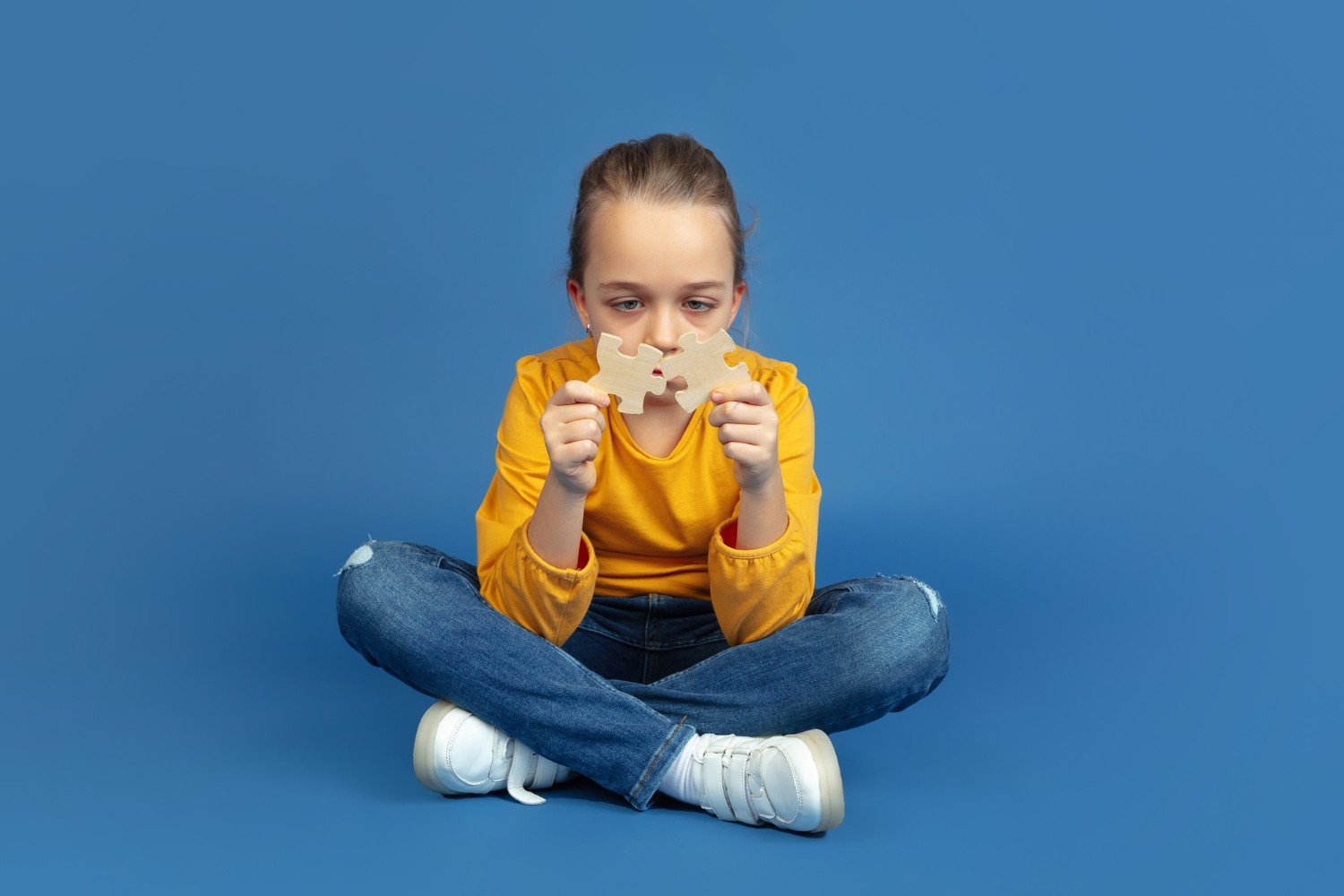
Living with Autism: A Guide on How to Support and Deal with It
What is Autism?
Autism, or "Autism Spectrum Disorder," is the scientific name for Autism. It is a disorder that affects children and leads to weakened interaction and communication with others. Autism is a neurological disorder that drives the child toward introversion and causes problems in speech and visual communication.
Autism causes the child to create a world of their own, where they communicate through repetitive and restricted behavioral patterns. Symptoms usually begin at the age of two or three, affecting how the brain absorbs information and processes data, which causes disturbances in acquiring behavioral learning skills. Studies indicate that genetics play a significant role in the disorder, resulting from a developmental disability rather than a defect in specific chromosomes. It can appear suddenly even after the child has acquired a good vocabulary.
[Image of signs and symptoms of autism spectrum disorder in children]Causes of Autism
There are no specific single causes for the disorder, but there are a group of factors that increase the likelihood of its occurrence, including:
- Genetic factors and family history.
- Gene disturbances.
- Problems in the formation of the nervous system and brain during growth.
Symptoms of Autism
Many parents may not notice the symptoms at first, as they begin simply from the age of 6 months (such as not smiling or not paying attention when called), and become very clear at the age of two. The earlier the discovery, the better the treatment results.
Most Common Symptoms:
- Difficulty speaking normally and repeating words (Echolalia).
- Avoiding social interaction or direct eye contact.
- Excessive interest in specific things and constantly repeating certain movements.
- Persistent screaming and crying fits without an obvious reason.
Master the Field of Mental Health Now
Join the strongest accredited training programs at IGTS and gain the scientific and practical expertise needed to deal with autism spectrum disorders.
Treatment of Autism and How to Deal With It
Treatment depends on the combined efforts of medical, educational, and family sectors as follows:
- Pharmacological Treatment: To control some accompanying neurological problems.
- Specialized Education: Integrating the child into schools specific to autism patients.
- Speech Therapy Sessions: To train the child on proper pronunciation.
- Psychological and Family Support: Talking with the child constantly to pull them out of their own world.
You can read more Mental Health articles from here
Updated at: 2026-10-10 17:08:26