
Tags
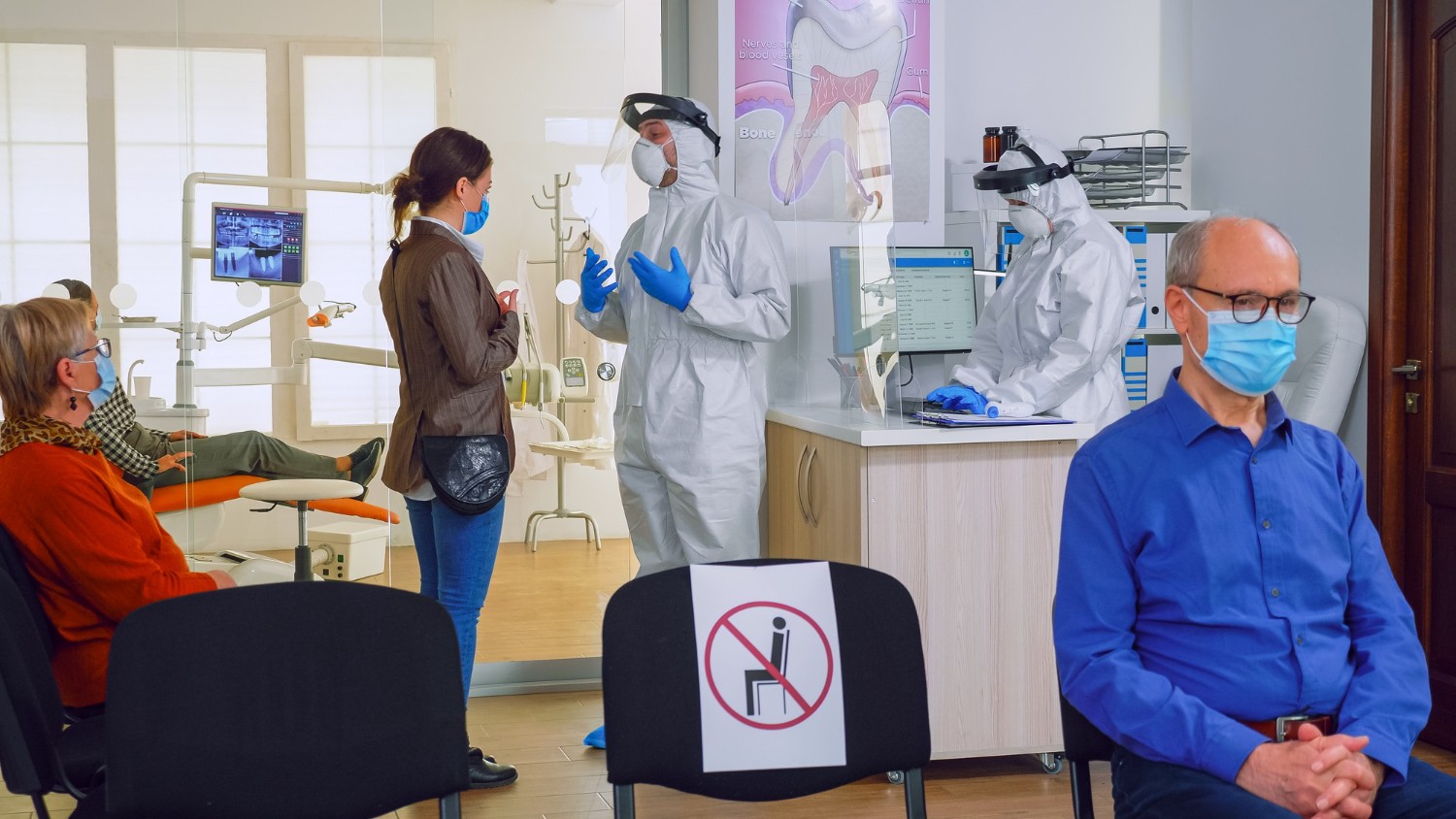
What Is Infection Control? Methods and Strategies for Prevention
What is meant by infection control and its methods? Infection control refers to all procedures and measures aimed at preventing hospital-acquired infections or those associated with healthcare services.
These measures are considered essential standards in disease prevention and form a key part of healthcare infrastructure, making infection control directly linked to public health.
Infection control also includes limiting the spread of diseases, whether from one patient to another, from a patient to healthcare staff, vice versa, or even among staff members within healthcare facilities.
It also involves monitoring and surveillance processes to track the spread of infections within healthcare environments.
Infection Control in Healthcare Facilities
Healthcare facilities rely on several methods and procedures to control infections, including:
Disinfection
- Disinfection is one of the most essential medical procedures, and its effectiveness increases when applied quickly during unknown infection outbreaks.
Hand Hygiene
- Studies since the 19th century have confirmed a direct link between hand hygiene and infection spread.
- Health organizations emphasize that proper handwashing is one of the most effective ways to prevent infection transmission.
- Many healthcare regulations require workers to regularly wash and sanitize their hands.
Hand Drying
- Proper hand drying is a key part of hygiene.
- Research shows that paper towels are more effective in reducing bacteria than air dryers.
- Hot or jet air dryers may spread microorganisms over long distances.
Cleaning, Sterilization, and Disinfection
- Sterilization aims to completely eliminate microorganisms.
- It can be achieved through heat or chemical agents.
- Disinfection uses chemicals to kill disease-causing organisms on surfaces.
- These processes are highly effective when applied correctly.
Other Infection Control Measures
- Personal Protective Equipment (PPE): Such as gloves, masks, protective eyewear, and medical clothing to protect workers from exposure to fluids and viruses.
- Vaccination: Helps protect healthcare workers from infections such as hepatitis, measles, and others.
- Post-Exposure Prevention: Used in cases where vaccination is not possible to reduce infection risk.
Monitoring Infectious Diseases and Quarantine
Infection spread can be controlled through:
- Surveillance and Monitoring: Tracking cases and analyzing infection spread using accurate standards.
- Quarantine: Applying measures to limit infection spread within healthcare facilities.
- Training: Preparing healthcare workers through specialized infection control programs.
💡 See also: What Does Infection Control Mean?
In this article, we explained the concept of infection control, its importance, and the main methods used to reduce its spread, given its serious impact on society as a whole—not just individuals.
Get Started Now
Do you want to master infection control and work in the healthcare sector? Start your journey now with certified infection control diplomas.
Updated at: 2026-10-10 11:01:48