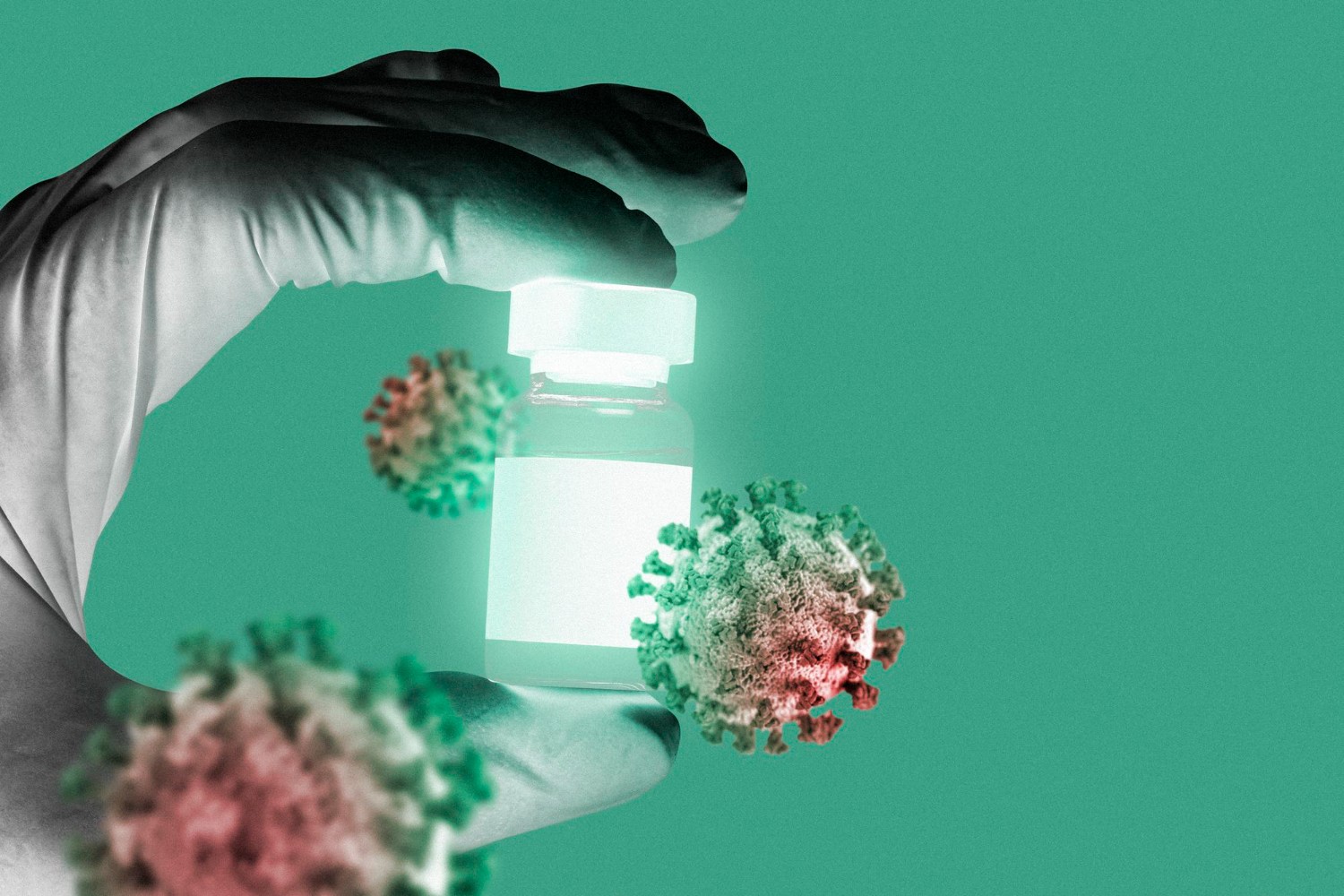
Infection Control has become one of the most critical terms in modern healthcare. It focuses on developing preventive methods to protect individuals from contracting diseases, especially amidst global health emergencies and the spread of various viruses.
Defining Infection Control
Infection control refers to the set of policies and procedures used to minimize the risk of spreading infections. This includes:
- Prevention & Resistance: Taking active steps to prevent the spread of germs to healthy individuals.
- Environmental Safety: Protection from pathogens found on contaminated surfaces or transmitted by infected persons.
How Infections Spread
Understanding transmission modes is key to prevention. Common ways infections spread include:
- Direct Contact: Respiratory droplets from coughing or sneezing, or direct physical contact with an infected individual.
- Contaminated Surfaces: Germs and bacteria accumulate on uncleaned surfaces, leading to infection upon touch.
- Shared Personal Items: Using uncleaned or shared personal belongings can directly facilitate the spread of microbes.
Frequently Asked Questions (FAQ)
What is a "Hospital-Acquired Infection"?
It is an infection that occurs within a hospital setting, where microbes are transferred between patients and medical staff due to constant exposure and mixed pathologies.
How can I protect myself from direct infection?
The best ways are maintaining social distance, wearing masks when necessary, and practicing regular hand hygiene to prevent direct contact with respiratory droplets.