
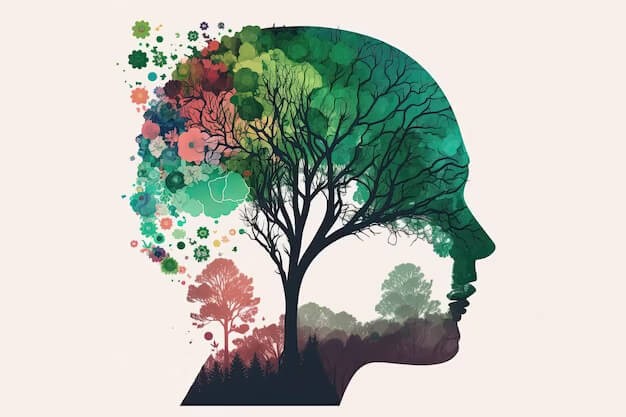
Factors Affecting Mental Health
Mental health is shaped by a wide range of biological, psychological, social, and environmental influences. A person's mental well-being or mental health condition usually cannot be explained by one factor alone. Genetics may interact with life experiences, family circumstances, social conditions, and the environments in which people live, study, and work.
Having a risk factor does not mean that a person will necessarily develop a mental disorder, just as having supportive circumstances cannot guarantee the absence of all mental health difficulties. What matters is how risk and protective factors interact across different stages of life.
This guide explores the main factors affecting mental health, including genetics, environment, family, school, work, life experiences, and personal relationships, while explaining how some circumstances can increase psychological stress and others can support resilience and well-being.
What Are the Factors Affecting Mental Health?
Factors affecting mental health are the characteristics, conditions, and experiences that may support psychological well-being or increase vulnerability to mental health difficulties.
These influences can operate at several levels:
- Biological and genetic factors.
- Family and social circumstances.
- Physical and economic environments.
- Education and school experiences.
- Working conditions.
- Life events and experiences.
- Relationships and social support.
No single factor can reliably determine a person's mental health outcome. Mental health develops over time through the interaction of many different influences.
Genetic Factors Affecting Mental Health
Genetics can contribute to vulnerability to some mental disorders, but the relationship between genes and mental health is more complex than simply inheriting a mental illness directly from a parent.
For many mental health conditions, multiple genetic variations interact with biological influences, environmental conditions, and life experiences.
A family history of a mental disorder may therefore increase risk in some cases, but it does not mean that another family member will inevitably develop the condition.
Genetics should be considered alongside factors such as:
- Living environment.
- Life experiences.
- Physical health.
- Family and social support.
- Other factors that vary between conditions.
Does a Family History Mean You Will Develop a Mental Disorder?
No. Family history may be one risk factor, but it is neither a diagnosis nor a certain prediction of a person's future mental health.
Environmental and Social Factors Affecting Mental Health
Environment means more than pollution or physical surroundings. It includes the conditions in which people are born, grow, learn, work, and live.
Environmental and social risk factors can include:
- Poverty or financial insecurity.
- Violence or unsafe surroundings.
- Limited access to education or services.
- Poor housing or unsafe physical environments.
- Discrimination and inequality.
- Social isolation.
- Persistent stress.
Safe environments, access to quality education, social support, services, and meaningful opportunities can act as protective factors for mental health.
How Family Influences Mental Health
Family relationships can play an important role in psychological and social development, especially during childhood and adolescence. Family is one of the first environments in which children learn communication, emotional regulation, trust, and relationships.
Supportive family relationships can strengthen a child's sense of safety, belonging, and confidence and make it easier to seek help when needed.
Protective family factors may include:
- Emotional support.
- Listening and open communication.
- A sense of safety.
- Appropriate boundaries and structure.
- Age-appropriate independence and encouragement.
Exposure to violence, abuse, neglect, or persistent family conflict may increase psychological stress and the risk of some mental health difficulties, but it does not mean that every child exposed to these experiences will develop a mental disorder.
School and Mental Health in Children and Adolescents
School represents a significant part of childhood and adolescence, which means school experiences can influence safety, belonging, confidence, and social relationships.
Schools can support mental health by:
- Creating safe and respectful environments.
- Addressing bullying and violence.
- Encouraging positive relationships.
- Providing access to supportive adults.
- Creating opportunities for learning, participation, and belonging.
Bullying, violence, persistent academic pressure, isolation, or a lack of belonging may increase psychological stress for some students.
Read Also
How Work Affects Mental Health
Work can support mental health by providing income, stability, purpose, achievement, social connection, and inclusion. However, some workplace conditions can create psychosocial risks.
Common workplace risk factors can include:
- Excessive workloads.
- Low control over work.
- Long or difficult schedules.
- Poor managerial or social support.
- Bullying, harassment, or discrimination.
- Job insecurity.
- Unclear roles or poor communication.
Safe and fair workplaces that provide appropriate support, realistic workloads, and clear responsibilities can help protect and promote mental health.
Life Experiences and Mental Health
Life events can influence emotions, behavior, and the way people relate to themselves and others. Some experiences can encourage growth and learning, while others can create significant stress.
Potentially stressful experiences include:
- Bereavement.
- Divorce or separation.
- Serious illness.
- Violence or abuse.
- Loss of employment or income.
- Displacement, emergencies, or disasters.
People do not respond to the same experience in the same way. One person may experience significant distress while another adapts differently. Social support, previous experiences, available resources, and overall health can all influence the response.
Grief following a loss is a normal human response and does not automatically mean that someone will experience permanent psychological harm. If severe distress persists or substantially interferes with everyday functioning, professional support may be appropriate.
Personal Relationships and Mental Health
Relationships and social support are closely connected with mental well-being. Relationships based on respect, safety, and trust can provide emotional and practical support during stressful periods.
Relationships involving violence, control, humiliation, or persistent conflict may increase stress and emotional distress.
Protective relationship factors can include:
- Having someone trustworthy to talk to.
- Emotional and practical support.
- A sense of acceptance and belonging.
- Respect for personal boundaries.
- Healthy communication and conflict resolution.
Risk Factors vs Protective Factors
| Type | Examples | Potential Effect |
|---|---|---|
| Risk Factors | Violence, poverty, bullying, isolation, persistent stress, and some genetic vulnerabilities. | May increase vulnerability to psychological distress or some mental health conditions. |
| Protective Factors | Social support, safe environments, quality education, positive relationships, participation, and decent work. | May strengthen resilience, coping, and psychological well-being. |
These factors do not operate mechanically. A person may experience several risk factors without developing a mental disorder, while another person may experience mental health difficulties without an obvious risk factor being identified.
Can You Control the Factors Affecting Mental Health?
Some influences can be changed or managed, while others are outside individual control, including genetics, economic circumstances, or unexpected life events.
Mental health should therefore not be treated as entirely the individual's responsibility. A more useful approach is to strengthen the areas that can be improved, such as support networks, safer relationships, healthier school or workplace environments, and access to appropriate professional support.
Frequently Asked Questions About Factors Affecting Mental Health
What Are the Main Factors Affecting Mental Health?
They include genetic and biological influences, family and social circumstances, environment, education, work, life experiences, relationships, and social support. Several factors usually interact rather than one factor acting alone.
Are Mental Disorders Genetic?
Genes can contribute to vulnerability to some disorders, but most common mental disorders are not caused by one gene, and a family history does not make developing a condition inevitable.
How Does Family Affect Mental Health?
Supportive family relationships, safety, and communication can act as protective factors, while abuse, neglect, violence, or persistent conflict may increase psychological stress and risk.
How Does the Workplace Affect Mental Health?
Decent and supportive work can contribute positively to mental health, while excessive workloads, bullying, discrimination, low control, poor support, and job insecurity can create psychosocial risks.
Do Difficult Life Experiences Always Cause Long-Term Mental Health Problems?
No. Responses differ between individuals, and many people adapt over time, particularly when appropriate support and resources are available. Some people may need professional help when distress is severe or persistent.
Can Mental Health Risk Factors Be Reduced?
Some risks can be reduced by strengthening social support, improving family, school, and workplace environments, and increasing access to appropriate services. However, not every factor is under an individual's control.
Conclusion
Mental health develops through the interaction of biological, social, environmental, and psychological factors. Family, school, work, relationships, and life experiences can serve as risk factors or protective factors depending on their nature and the person's circumstances.
Genes do not determine a person's psychological future with certainty, and experiencing stress or difficult life events does not necessarily mean that a mental disorder will develop. Understanding this broader picture helps reduce individual blame and encourages stronger supportive environments.
When symptoms or distress begin to significantly interfere with daily life, relationships, work, or education, seeking appropriate support can be an important step.
Start Now
If you want to build a deeper understanding of mental health and the factors that influence it, review the IGTS Mental Health Diploma and compare its content with your educational and professional goals.
Mental Health Diploma Contact Us via WhatsAppUpdated at: 2026-10-10 09:52:03