
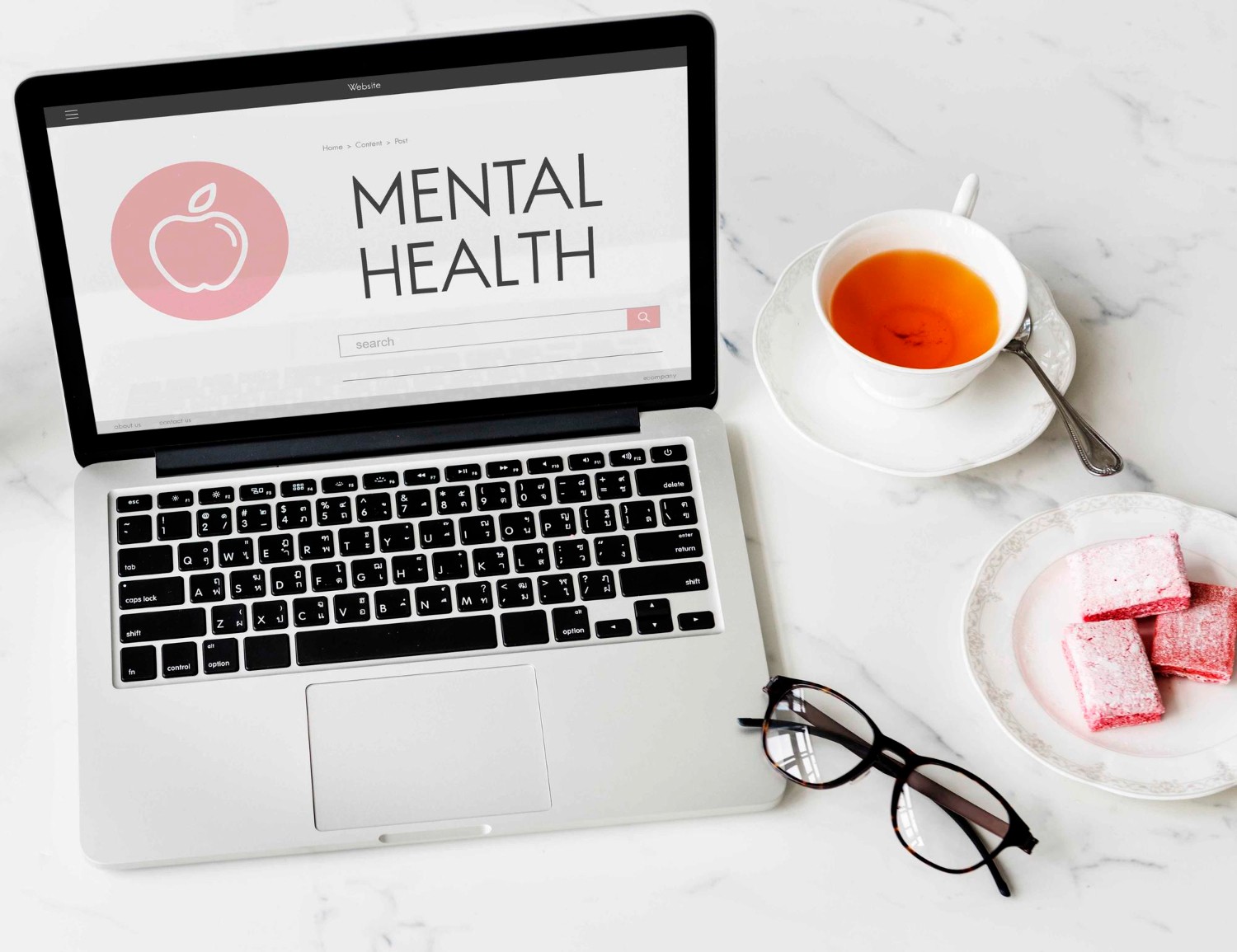
The Relationship Between Mental Health and Other Sciences
Different sciences are interconnected in ways that become clear to those who study and explore them deeply. Here, we highlight the relationship between mental health and other sciences, which are strongly connected to it either directly or indirectly. These fields include medicine, psychology, genetics, education, and both natural and social sciences. The importance of these sciences lies in understanding mental health and identifying the different factors that influence it. Since human behavior is shaped by multiple influences, studying an individual’s past, present, and future becomes essential when analyzing their psychological well-being.
The Relationship Between Mental Health and Genetics:
Mental health is closely related to genetics inherited from parents and ancestors. Research has confirmed the influence of hereditary factors on individual behavior. Mental processes and emotional states are considered innate genetic predispositions, although they are also affected by other factors such as upbringing and education. However, natural genetic influence remains one of the strongest factors.
The Relationship Between Mental Health, Medicine, and Anatomy:
Mental health is also connected to medicine and anatomy through understanding the body’s structure and how it affects the mind. A healthy mind exists within a healthy body. A physically healthy body supports balanced mental functions, while illness or physical disorders often appear through psychological distress. Mental health is naturally linked to the human nervous system, which makes studying its structure and functions essential to understanding psychological conditions.
The Relationship Between Mental Health and Sociology:
Mental health is closely connected to sociology, which studies perception, emotions, awareness, and psychological issues within society and family structures while seeking suitable solutions. It also contributes significantly to serving both individuals and communities. Educational psychology applies psychological concepts in education, not only at home but also in schools, helping students achieve balanced development. It encourages moving away from fear and punishment-based methods and instead promotes cooperation, love, and positive interaction among students. It also focuses on meaningful activities that channel students’ energy into productive and constructive behaviors using scientific educational approaches that prepare them for the future.
💡 See also:
Every individual should learn about mental health and study its different aspects because it is just as important as physical health. Understanding mental health enables people to deal with life and personal challenges in a healthy and scientific way. Therefore, the International Group for Training Services (IGTS) offers a Diploma in Mental Health and Psychological Counseling that prepares individuals to work professionally in the field of psychological counseling. There is no need for travel or commuting, as the group supports live online learning, allowing students to study and take exams anytime and from anywhere while gaining full access to educational content delivered by top doctors and specialists in psychological treatment. Do not hesitate to enroll with us — we are waiting for you.
Start Now
Start your journey in mental health and psychological counseling and develop your scientific understanding of human behavior.
Updated at: 2026-10-10 13:39:12