
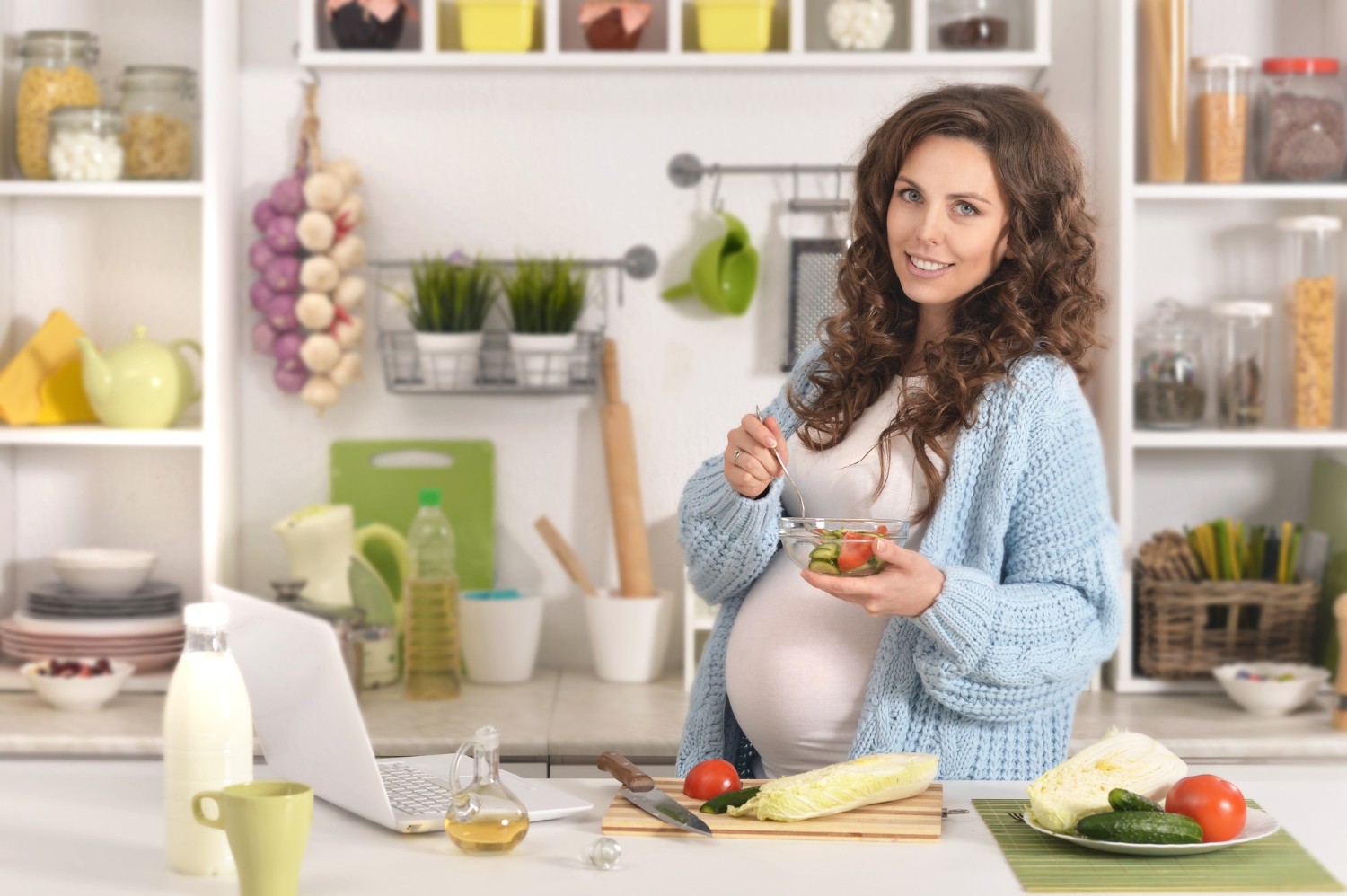
Pregnancy Nutrition: Therapeutic Nutrition for Mothers
```html id="kmz4ps"
Pregnancy usually occurs when a sperm cell penetrates and fertilizes an egg, then the fertilized egg moves until it settles in the uterus. In this article, we will learn about therapeutic nutrition for pregnant women and the most important nutrients a mother needs during this stage.
In most cases, pregnancy lasts for nearly forty weeks, or about nine months. There are many factors that may affect the health of both the mother and the fetus, so the mother should follow up with a specialist doctor from the beginning of pregnancy and follow medical and nutritional instructions to maintain her health and the health of the baby.
Pregnancy Symptoms
Pregnancy symptoms may differ from one woman to another, and some symptoms may resemble other hormonal changes. Therefore, it is recommended to confirm pregnancy through tests and medical follow-up. The most common pregnancy symptoms include:
- A delayed menstrual period, which is one of the most common early signs of pregnancy.
- Increased breast size with pain or tenderness, which may also occur due to hormonal changes.
- Nausea, which may be accompanied by vomiting and is often worse in the morning. It may continue during the first three months of pregnancy, while some women may experience it for a longer period.
- Fatigue and tiredness, especially during the first months of pregnancy.
- Increased sleep hours and a constant desire to rest.
- Mood changes.
- Increased urination.
- Bloating.
- Constipation.
- Back pain or discomfort.
- Heartburn.
- Some changes or marks appearing on the pregnant woman’s body.
- Anemia in some cases.
Therapeutic Nutrition for Pregnant Women
A pregnant woman should pay attention to eating healthy food in suitable amounts, because the fetus receives its nutrition from the mother. A pregnant woman may need a specific daily increase in calories depending on the stage of pregnancy and her health condition, and the doctor or nutrition specialist determines the suitable amount for each case.
The mother’s daily meals should preferably include a variety of healthy foods, such as:
- Protein sources such as lean red meat, poultry, and fish that are suitable during pregnancy.
- Whole grains.
- Fruits and vegetables.
- Dairy products, preferably low-fat when needed.
- Healthy fats in suitable amounts.
Pregnant women usually take some nutritional supplements under the supervision of a specialist doctor. These may include supplements containing calcium, iron, and folic acid, depending on the mother’s needs and pregnancy condition.
Iron During Pregnancy
A pregnant woman needs a suitable daily amount of iron because iron contributes to the formation of hemoglobin, which is responsible for producing red blood cells and carrying oxygen to all parts of the body. Paying attention to iron intake helps reduce the risk of anemia during pregnancy.
Foods that contain iron include red meat, salmon, eggs, beans, and leafy green vegetables.
Calcium During Pregnancy
Calcium is an important nutrient during pregnancy because it helps build the baby’s bones and teeth, while also supporting the health of the mother’s bones and teeth. The fetus receives calcium from the mother’s body, so it is important to get enough calcium from food or supplements if prescribed by the doctor.
Foods that contain calcium include broccoli, milk and dairy products, oranges, almonds, spinach, and whole grains.
Folic Acid During Pregnancy
Folic acid is one of the most important nutrients a pregnant woman needs, as it helps reduce the risk of some birth defects in the baby. The suitable dose of folic acid should be determined by the doctor, as the need may differ from one case to another.
- A pregnant woman should drink enough water to reduce the risk of dehydration and constipation.
- Light exercise can be practiced according to the doctor’s instructions and in a way that suits the pregnancy condition.
Important Notice
No nutritional supplements or medications should be taken during pregnancy without consulting a doctor, even if they are vitamins or natural herbs, because some substances may not be suitable during pregnancy.
What Pregnant Women Should Avoid
There are some habits and foods that pregnant women should avoid or reduce according to the doctor’s recommendation, including:
- Drinking alcohol, as it may seriously affect the baby’s health.
- Taking any medications or nutritional supplements without consulting a doctor.
- Smoking, as it may be linked to low birth weight or serious health problems.
- Excessive caffeine intake, which should be reduced according to the doctor’s instructions.
- Fish that contain high levels of mercury, such as shark, swordfish, marlin, and some types of tuna.
- Processed meat, undercooked meat, or undercooked eggs, as they may contain harmful bacteria.
- Liver or foods very rich in vitamin A, as excessive amounts may not be suitable during pregnancy.
- Some foods or fruits that may not be suitable for certain pregnancy cases, so the doctor should be consulted whenever there is any doubt.
Read Also
Start Now
Develop your knowledge of therapeutic nutrition and its role in supporting the health of pregnant women and babies through IGTS content and training programs.
References
Updated at: 2026-10-10 12:39:42