
Tags
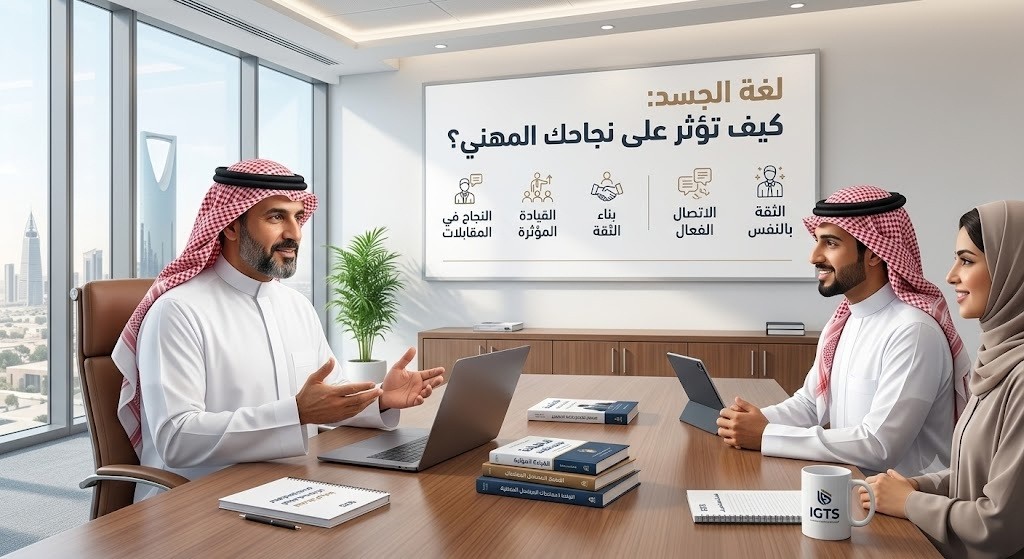
Body Language: How Does It Affect Your Professional Success?
You may have strong experience, outstanding ideas, and a clear message, but the way you present them may be the factor that makes the difference. In the workplace, first impressions do not depend on words alone. Body language plays an important role in communicating confidence, building professional relationships, and strengthening the ability to persuade.
That is why managers, HR specialists, and team leaders pay attention to non-verbal signals during meetings, job interviews, presentations, and even daily communication within the work environment.
If you sometimes feel that your message is not being delivered the way you want, or that you are not leaving the impression you deserve, the problem may not be in what you say, but in how you say it.
In this guide, you will learn what body language is, why it is considered one of the most important soft skills, and how you can use it practically to enhance your professional presence.
What Is Body Language?
Body language is the set of non-verbal signals that people use to express their feelings, thoughts, and attitudes, whether intentionally or unintentionally.
These signals include:
- Facial expressions.
- Eye contact.
- Standing or sitting posture.
- Hand movements.
- Tone of voice and speaking speed.
- Personal space during communication.
- Handshake style.
Communication studies indicate that a large part of the messages we exchange depends on non-verbal signals. Therefore, body language may affect how others understand you as much as your words do, and sometimes even more.
Why Is Body Language an Important Skill?
In professional life, employers do not look for technical knowledge only. They also care about the skills that help employees communicate, collaborate, and build trust.
Body language helps you:
- Show self-confidence.
- Strengthen credibility.
- Improve communication with colleagues and clients.
- Reduce misunderstandings.
- Increase your ability to persuade.
- Present a professional image in different situations.
For this reason, it has become one of the most important soft skills that many people work to develop.
Read Also
The Importance of Body Language in the Workplace
You may not notice it, but you use body language throughout the workday, whether during meetings, while discussing a project, or even during a short conversation with a colleague.
The difference between a person who leaves a strong impression and another who seems hesitant may lie in small details, such as posture or eye contact.
During Meetings
In professional meetings, body language helps show your interest in the discussion.
For example:
- Sitting upright suggests focus.
- Moderate eye contact reflects confidence.
- Taking notes shows interest in what is being said.
- Avoiding distraction by your phone maintains your professional presence.
When Giving a Presentation
A successful presentation does not depend on slides only, but also on the way they are delivered.
A person who uses their hands naturally, moves with confidence, and looks at the audience is often more capable of attracting attention and communicating their message.
When Leading a Team
If you are a manager or team leader, your body language directly affects how employees interact with you.
Showing openness, listening attentively, and maintaining calm facial expressions help build a work environment based on trust and respect.
When Dealing with Clients
A natural smile, paying attention to the other person, and not interrupting them while they speak are all signals that improve the client experience and help build a positive professional relationship.
Practical Exercise No. 1
In your first meeting this week, try to do the following:
- Maintain an upright sitting posture without exaggeration.
- Look at the speaker while listening.
- Avoid crossing your arms throughout the meeting.
- Use simple gestures when speaking.
- Observe the reactions of others.
After the meeting, evaluate the difference in your level of engagement and self-confidence.
Positive and Negative Body Language Signals
Not all movements communicate the same message. Therefore, it is important to understand the signals that strengthen your professional image and those that may give an unintended impression.
Positive Signals
Eye Contact
Looking at the person while speaking reflects interest and confidence, but without exaggeration that may cause discomfort.
A Natural Smile
A simple and sincere smile makes communication more comfortable, especially when meeting someone for the first time or welcoming clients.
Body Posture
Standing or sitting upright indicates confidence and attentiveness, while open body posture creates a sense of cooperation and readiness for dialogue.
Moderate Use of Hands
Natural gestures help clarify ideas and make speech more engaging, as long as they do not become distracting movements.
Active Listening
Simple gestures such as nodding while listening or slightly leaning forward show your interest in what the other person is saying.
Negative Signals
Some movements may give impressions you do not intend, such as:
- Crossing your arms all the time.
- Constantly looking at your phone.
- Avoiding eye contact.
- Moving your feet nervously.
- Playing with a pen or objects on the desk.
- Looking at your watch repeatedly during conversation.
- Sitting in a posture that suggests lack of interest.
These movements do not always mean the same thing, but they may affect the first impression if they are repeated clearly.
Practical Exercise No. 2
Record a one-minute video of yourself introducing yourself as if you were in a work meeting.
Then observe:
- Your shoulder posture.
- Your hand movements.
- Your speaking speed.
- Your facial expressions.
- Your eye contact with the camera.
You will notice details you may not have paid attention to while speaking, and you can improve them gradually.
Body Language in Job Interviews
A job interview is one of the situations where body language appears most clearly, because recruiters do not evaluate experience and qualifications only. They also observe communication style, self-confidence, and the ability to handle different situations.
In many cases, the first impression may be the reason a candidate moves to the next stage or is excluded, even before the interview ends.
If you are preparing for a new job, it is also useful to read the article on interview skills to learn how to prepare for interviews practically, alongside improving your body language.
Before Entering the Interview
Preparation begins before you sit in front of the interview panel.
Make sure to:
- Arrive early enough before the scheduled time.
- Wear clothing suitable for the nature of the job.
- Enter with calm and confident steps.
- Greet others with a natural smile.
- Shake hands professionally if the situation is appropriate.
These small details reflect your respect for the place and your self-confidence.
During the Interview
During the conversation, try to make your body language support what you are saying.
For example:
- Sit upright without stiffness.
- Maintain natural eye contact with the person asking the question.
- Use your hands to clarify ideas without exaggeration.
- Listen until the question is finished before answering.
- Avoid looking at the floor or ceiling while speaking.
- Do not rush your answer; take a brief moment to organize your thoughts.
When Answering Difficult Questions
It is normal to face a question you do not fully know how to answer, but the way you handle it may be more important than the answer itself.
Instead of showing tension or confusion, stay calm and acknowledge what you know and what you need to learn. This reflects maturity and realism more than trying to give an inaccurate answer.
Practical Exercise No. 3
Before any job interview, practice with a friend or in front of the camera by answering three common questions, then focus only on your body language.
Ask yourself:
- Am I sitting comfortably?
- Am I looking at the person in front of me?
- Do I smile at the beginning of the conversation?
- Do I use my hands naturally?
- Do I appear nervous without realizing it?
Repeat the exercise several times, and you will notice a clear improvement in your presence and confidence.
How to Read Other People’s Body Language
Understanding body language is not limited to improving your own performance. It also helps you read situations and respond to them intelligently.
However, it is important not to rely on a single signal when making judgments, because the same movement may have more than one interpretation depending on the situation and the person.
Instead, try to observe a group of signals together, such as:
- Facial expressions.
- Tone of voice.
- Body posture.
- Response speed.
- Eye contact.
The more you combine these elements, the more accurate your reading of the situation will be.
Because body language is part of a broader system that includes listening, persuasion, and effective communication, you can also read the article on communication skills to learn about the skills that complement your professional presence and help you build more successful work relationships.
Frequently Asked Questions
What Is Body Language?
Body language is a non-verbal method of communication that depends on movements, facial expressions, body posture, tone of voice, and eye contact. It has a major impact on how others understand your messages and form impressions about you.
How Can I Improve My Body Language?
You can improve your body language by observing your posture, maintaining balanced eye contact, using natural facial expressions, practicing speaking in front of the camera, and asking for feedback from people you trust to gradually improve your performance.
What Is the Importance of Body Language in an Interview?
Positive body language helps show confidence, professionalism, and interest. These are elements recruiters notice alongside experience and qualifications, so they influence the formation of the first impression during the interview.
How Can I Read Other People’s Body Language?
Make sure to observe a group of signals together, such as facial expressions, hand movements, tone of voice, and body posture, while considering the nature of the situation. Do not base your conclusions on one movement only, because its interpretation may differ from one person to another.
Can Body Language Be Learned?
Yes. Like any other skill, it can be developed through practice and training. Over time, you will become more aware of your movements and more capable of using body language in a way that supports your presence and confidence in different professional situations.
Develop Your Professional Presence Step by Step
Confidence in the workplace does not depend only on knowledge and experience, but also on your ability to communicate your ideas and build a positive impression with others. The more you develop your body language alongside communication, listening, and persuasion skills, the more prepared you will be to succeed in meetings, interviews, and teamwork.
Develop your soft skills and enroll in the accredited IGTS Diploma now. Gain the practical skills that help you achieve a more influential and confident professional presence.
Start Now
Develop your presence, confidence, and communication skills with the IGTS Body Language Course.
Updated at: 2026-09-19 21:07:32