
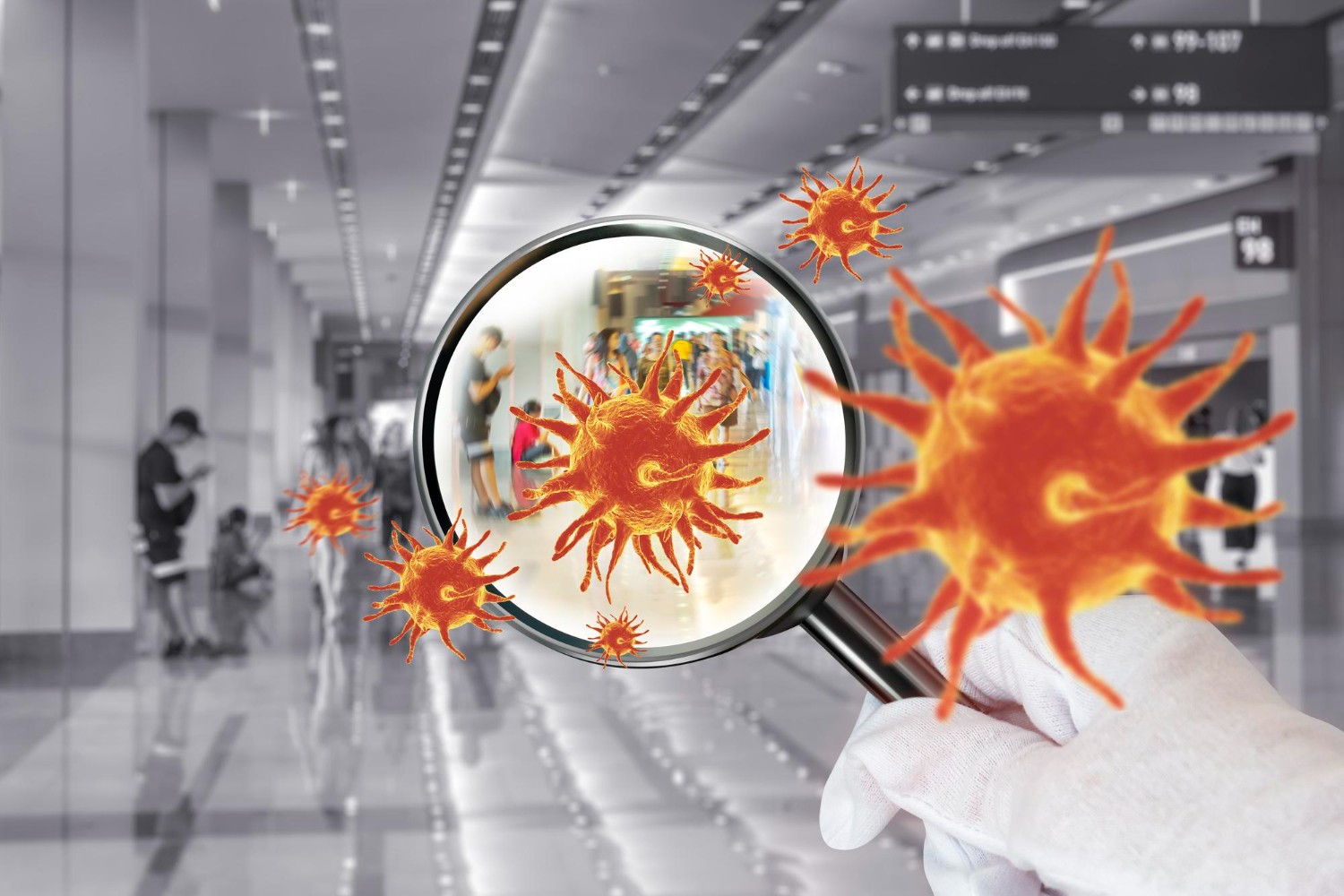
Why Is Infection Control Important in Hospitals?
Acquiring infections within healthcare facilities and hospitals is a major issue affecting many people worldwide. These infections occur during or are associated with healthcare services and do not include diseases that the patient already had upon admission or those in the incubation period.
These infections that develop داخل healthcare settings are considered among the leading causes of death. They also increase the severity of certain diseases in patients receiving medical care. Such infections, which arise as complications of healthcare services, lead to a waste of healthcare resources and increased costs due to additional medication, laboratory tests, patient supplies, and prolonged hospital stays. This negatively impacts patients’ lives even after treatment, making infection control essential to limit their spread.
What Is the Importance of Infection Control Programs?
Several factors contribute to the spread of these infections in hospitals and healthcare facilities. These include technological advancements, increased reliance on medical and surgical interventions, and the growing number of patients with weakened immune systems—whether due to certain diseases or other conditions. Additionally, the rising number of elderly patients and those with chronic illnesses increases vulnerability.
Furthermore, the excessive and improper use of antibiotics has led to an increase in antibiotic-resistant microorganisms. Other contributing factors include poor adherence to public health principles, overcrowding, the absence of effective infection control programs, and the lack of proper training and awareness among healthcare providers regarding infection prevention methods.
Common Misconceptions About Infection Control
There is a widespread misconception that infection control programs are expensive and beyond the capabilities of most hospitals and healthcare facilities. However, the opposite is true. These programs rely primarily on proper behavior and safe practices and can be implemented at minimal cost. A well-designed infection control program can actually save significant expenses for hospitals.
For example, infection among patients in intensive care units can be reduced simply by proper hand hygiene and adherence to contamination prevention methods—rather than relying on costly antibiotics that may cause additional complications.
Neglecting safe practices can lead to the transmission of bloodborne diseases such as Hepatitis B and C, and may also result in infection with the Human Immunodeficiency Virus (HIV/AIDS).
Another example is the attempts made in some countries to treat bilharzia using potassium antimony tartrate injections, which led to the spread of viral hepatitis due to the repeated use of syringes. This resulted in many patients developing chronic hepatitis, increasing infection rates and mortality, and creating ongoing transmission risks—even affecting healthcare providers themselves.
Infection control principles are standardized worldwide. In countries with advanced healthcare systems, significant efforts have been made to develop expertise and improve infection control guidelines. These countries have invested considerable time in training specialists to manage infection transmission effectively.
However, in some developing countries, infection control systems have not been sufficiently developed despite rapid healthcare advancements. These countries often suffer from a shortage of trained experts capable of managing infection transmission effectively.
It is worth noting that establishing effective infection control programs is both economically beneficial and essential. Such programs are considered a top priority for healthcare institutions worldwide.
Get Started Now
If you want to develop your expertise in infection control within healthcare facilities, you can start now through the Infection Control Master's Program.
Updated at: 2026-10-10 15:09:02