
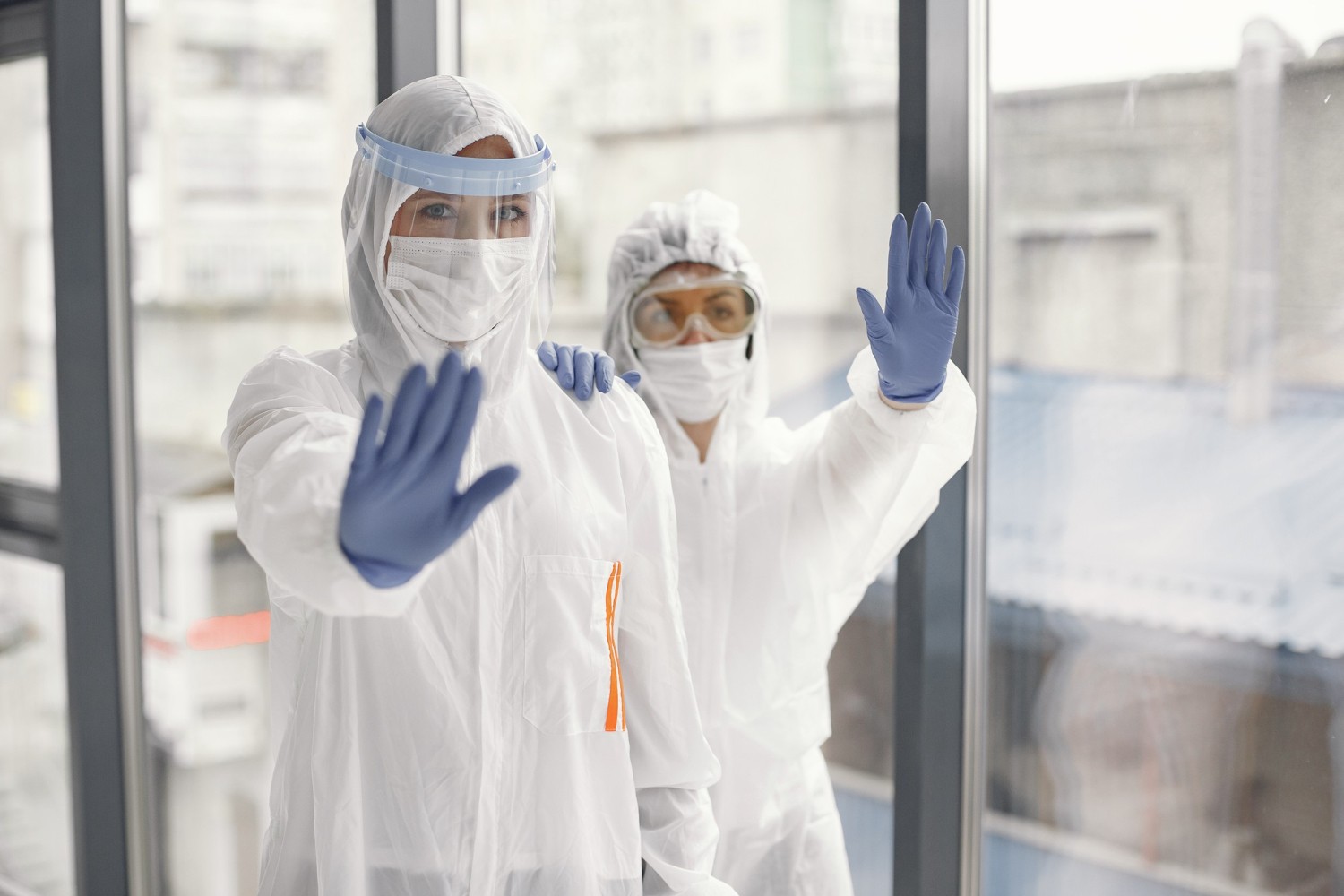
How Is Infection Control Implemented in Healthcare Facilities?
How Is Infection Control Implemented in Healthcare Facilities?
Although it may seem unusual, healthcare facilities themselves can contribute to the spread of infections. With closer examination, several key factors have been identified:
- Patients receiving healthcare services may be more vulnerable to infections.
- Some individuals may already carry infectious diseases that can spread to others.
- Patients undergoing medical or surgical procedures may face higher infection risks if standard precautions are not followed.
- Infections may be transmitted from healthcare providers to patients, either directly or indirectly.
- Overcrowding in hospitals significantly increases the likelihood of infection transmission.
- A shortage of healthcare staff contributes to weaker infection control practices.
- Poor infrastructure can limit the effective implementation of infection control programs.
Ways Infections Spread Inside Healthcare Facilities
There are two primary sources through which infections spread in hospitals and healthcare facilities:
First: Endogenous (Internal) Source
The source of infection may already exist within the patient at the time of admission, as part of their natural microbial flora. The condition may worsen during hospitalization due to weakened immunity or as a result of medical procedures such as catheter insertion or surgery.
Second: Exogenous (External) Source
In this case, infections occur when microorganisms enter the patient’s body from an external source, either through direct or indirect transmission.
💡 See also: Infection Control Diploma
Natural Barriers That Protect the Body from Infection
The human body naturally contains beneficial microorganisms that help maintain health, such as bacteria that support digestion. Additionally, the skin and mucous membranes act as natural protective barriers against infection.
Natural Defense Mechanisms in the Human Body
- Skin: The first line of defense; microbes can often be removed through proper washing.
- Mucous membranes: Secrete substances that help protect the body from harmful microorganisms.
- Humoral immunity: Relies on antibodies to attack and neutralize pathogens.
- Cellular immunity: Involves white blood cells that actively fight infections.
Get Started Now
Want to specialize in infection control and work efficiently in healthcare facilities? Start your journey today with certified programs.
Updated at: 2026-10-10 12:25:00