
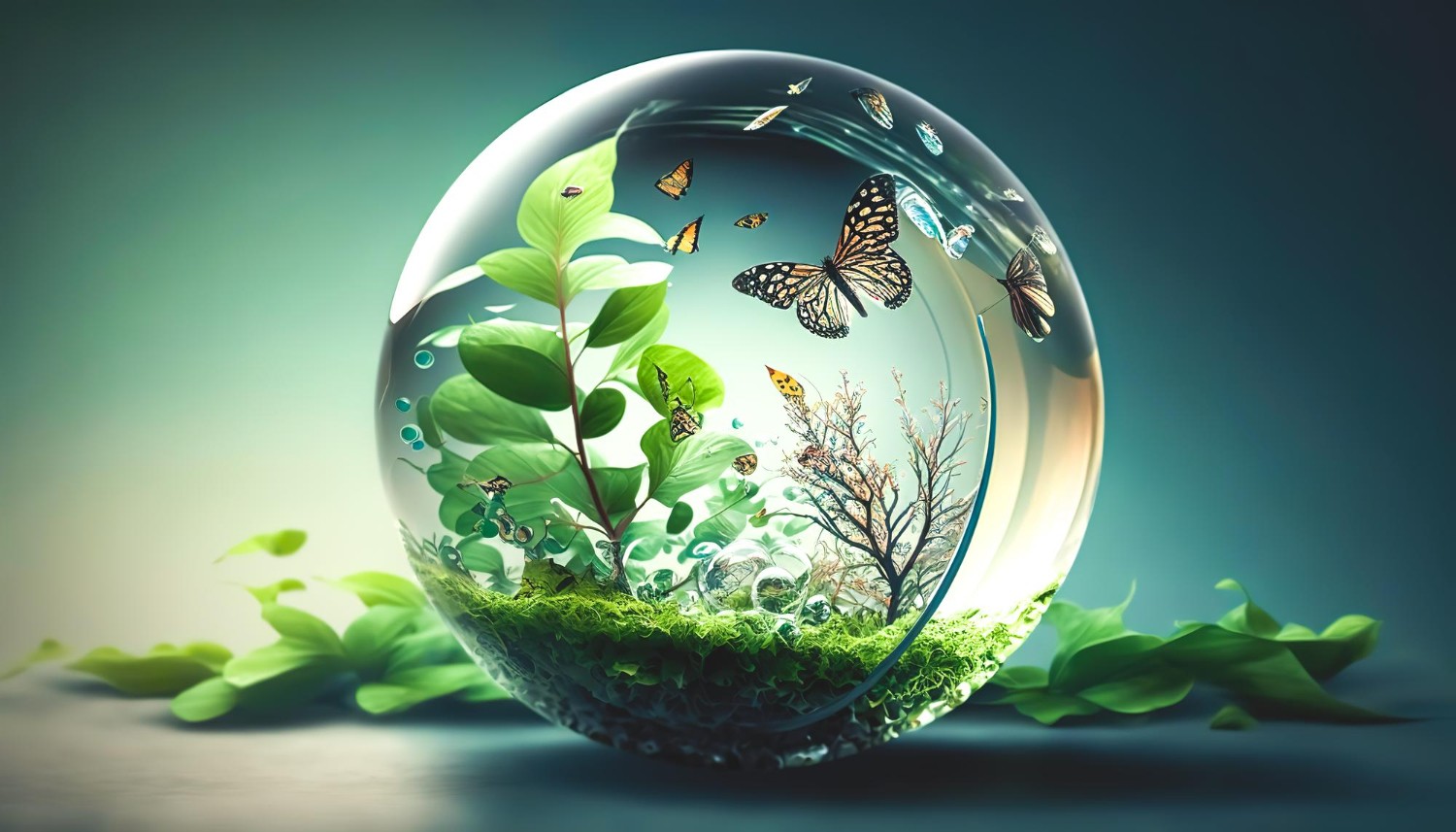
Mental Health and the Ecological Environment
Mental health is an essential component of overall well-being, influencing how individuals think, feel, and behave. It also affects physical health and quality of life. Good mental health enables people to cope with daily stress, build positive relationships, and maintain balance in various aspects of life.
In recent years, awareness of mental health has increased significantly. Psychological disorders are now recognized as health conditions that require proper diagnosis, treatment, and professional support, just like physical illnesses.
Mental Health and Its Importance in Human Life
Mental health is closely linked to physical health. Psychological difficulties can affect the functioning of different body systems, while chronic physical illnesses may negatively impact an individual's emotional and mental well-being.
Common mental health disorders include:
- Anxiety disorders.
- Depression.
- Phobias.
- Obsessive-Compulsive Disorder (OCD).
- Mood disorders.
- Stress and adjustment disorders.
Some mental health conditions may result from genetic, environmental, or social factors, while others may develop due to trauma or prolonged life stress. Early diagnosis and appropriate treatment play a vital role in improving quality of life and reducing psychological complications.
The Ecological Perspective and Its Relationship to Mental Health
The concept of the environment has evolved significantly in psychology and social sciences. Rather than viewing it simply as an external force acting upon individuals, modern theories examine it through a broader framework known as the ecological perspective.
The ecological perspective emphasizes the continuous interaction between individuals and their surrounding environments. People do not passively receive environmental influences; they actively interact with, shape, and are shaped by their surroundings through their experiences and behaviors.
From this perspective, mental health is influenced by multiple interconnected environmental systems, including:
- Family.
- School.
- Friends and peer groups.
- Local community.
- Cultural values and norms.
- Economic and social conditions.
Modern psychological theories suggest that a child's development and mental well-being are strongly affected by the quality of interactions within these environmental systems. Positive and supportive relationships contribute significantly to building a balanced personality and promoting psychological stability.
| Ecological Factor | Impact on Mental Health |
| Family | Promotes emotional security and psychological support |
| School | Develops social and cognitive skills |
| Friends | Encourages belonging and social interaction |
| Community | Shapes values, attitudes, and behaviors |
Read Also: Mental Health and Genetic Traits
Related Topics: Ecological Field
Conclusion
Mental health is not merely the absence of mental illness. It is a state of emotional, psychological, and social well-being that helps individuals adapt to life's challenges and demands. Environmental and ecological factors also play a crucial role in shaping personality and influencing mental health throughout life.
The more supportive and stable the surrounding environment is, the greater the individual's chances of maintaining good mental health and effectively coping with daily challenges and stress.
Start Now
Gain the knowledge and skills needed to understand mental health and the factors that influence it through IGTS accredited training programs.
Updated at: 2026-10-09 00:13:30