
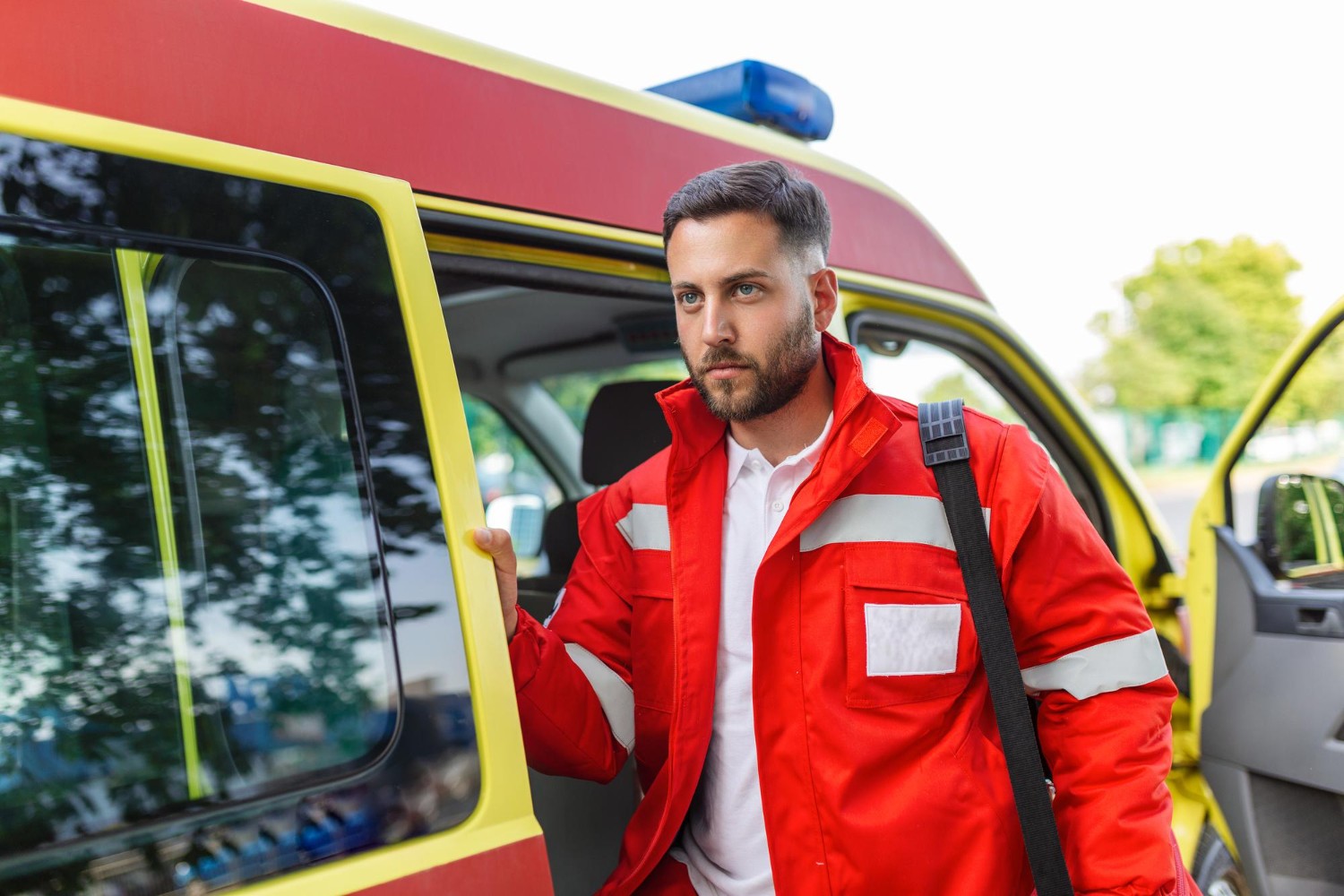
What Is Emergency Medicine? Career Path and Responsibilities
Emergency Medicine is considered one of the most important medical specialties dedicated to providing immediate healthcare services for patients who require urgent medical intervention to save lives and reduce potential complications.
Specialized Emergency Medicine departments have been established in most countries around the world. This specialty can be studied academically through various educational levels, beginning with a bachelor's degree and continuing through master's and doctoral degrees.
Graduates holding a bachelor's degree in this field are typically referred to as Emergency Physicians or Emergency Medicine Specialists. Those who obtain a master's degree become Senior Emergency Medicine Specialists, while doctoral graduates may advance to Consultant Emergency Physicians.
This field focuses on delivering medical care to critical and life-threatening cases, including resuscitation situations that require immediate intervention to preserve patients’ lives.
What Is Emergency Medicine?
Emergency Medicine is a medical specialty focused on providing urgent healthcare services for patients who require rapid diagnosis, immediate treatment, and emergency medical care to preserve life and achieve the best possible outcomes.
Over the past few decades, Emergency Medicine has become an independent medical specialty with dedicated academic programs and colleges that prepare healthcare professionals for this vital field.
Emergency Medicine covers a wide range of critical and urgent medical conditions, including:
- Treating severe and life-threatening illnesses.
- Managing fractures and traumatic injuries.
- Suturing wounds and emergency injuries.
- Providing medical care for pregnant women.
- Treating heart attacks and strokes.
- Managing joint disorders and injuries.
- Administering anesthesia for urgent surgical procedures.
- Reading X-rays and assisting in diagnosis.
- Providing emergency medical services for adults.
- Delivering emergency healthcare services for children.
- Performing first aid procedures.
- Offering psychological support and reassurance to patients.
- Treating fainting and loss-of-consciousness cases.
- Performing cardiopulmonary resuscitation (CPR) when necessary.
| Service | Role in Emergency Medicine |
| Cardiopulmonary Resuscitation (CPR) | Saving lives during critical emergencies |
| Fracture Management | Stabilizing injuries and preventing complications |
| First Aid | Providing immediate care in emergency situations |
| Psychological Support | Reducing stress and anxiety among patients |
How Can You Become an Emergency Medicine Specialist?
You can specialize in Emergency Medicine by enrolling in accredited academic or professional training programs that prepare healthcare practitioners to work in emergency departments and urgent care settings.
Different countries adopt various training models for Emergency Medicine professionals, generally categorized into specialist-based and multidisciplinary approaches.
In some advanced countries such as Germany and France, emergency vehicles are staffed by physicians, often anesthesiologists or emergency medicine doctors, who provide immediate medical care until the patient’s condition stabilizes.
In countries such as the United States, Canada, and the United Kingdom, ambulances are primarily staffed by paramedics and emergency medical technicians (EMTs) who provide pre-hospital emergency care and transport patients to hospital emergency departments.
You can also earn the Emergency Medicine Diploma from IGTS and benefit from advanced educational opportunities and international accreditations that qualify you to work as a certified Emergency Medicine Specialist.
Conclusion
Emergency Medicine is one of the most important and dynamic medical specialties, playing a direct role in saving lives and managing critical conditions that require immediate medical intervention.
This specialty also offers excellent career opportunities for healthcare professionals who thrive in fast-paced environments and possess the ability to make rapid decisions while managing a wide variety of emergency medical situations.
Start Today
Would you like to acquire the essential skills needed to manage critical and emergency medical cases?
Begin your educational journey today and enroll in the accredited Emergency Medicine Diploma to learn the latest emergency care and first aid techniques.
```
Updated at: 2026-10-10 14:17:47