
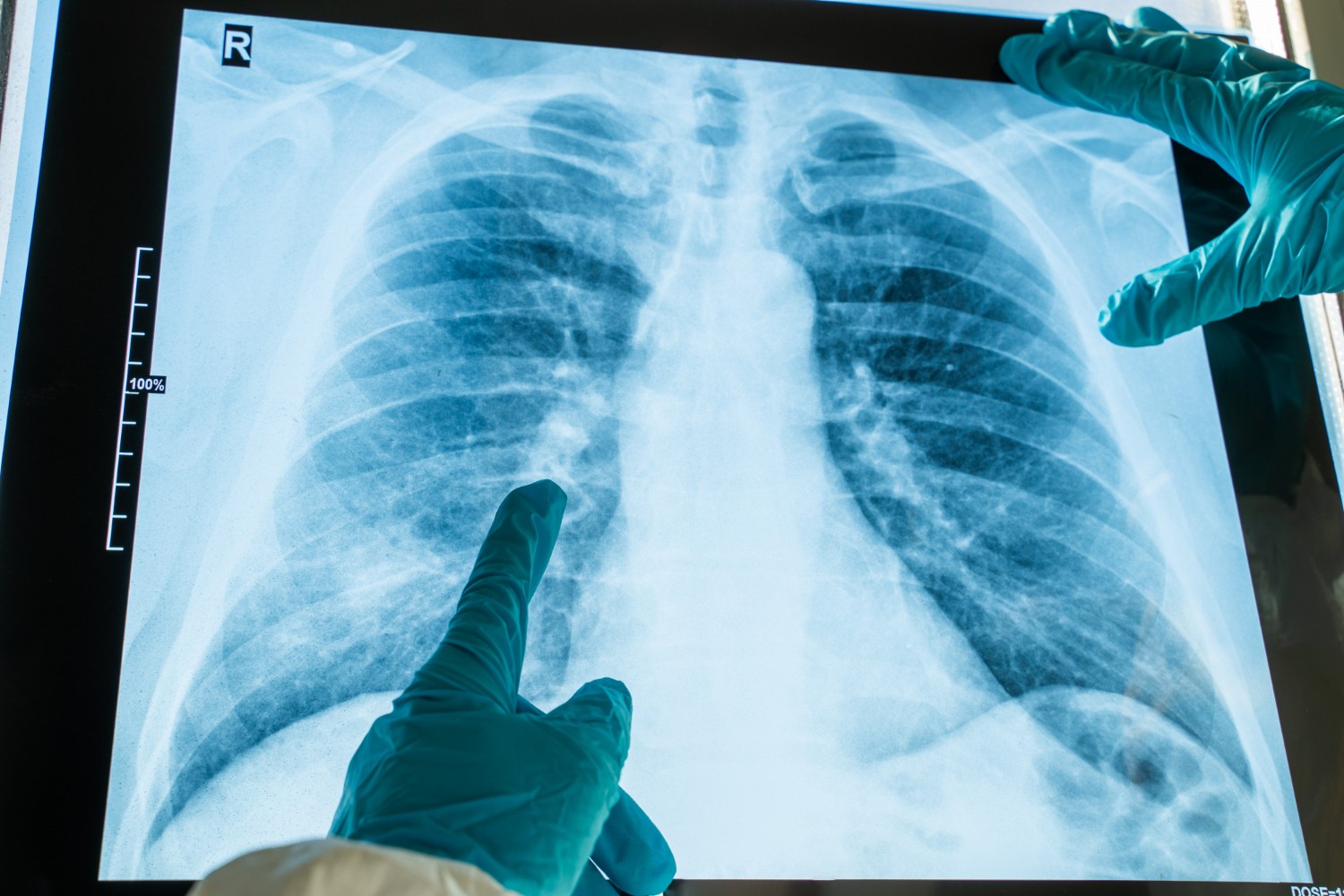
Tuberculosis Symptoms, Treatment, and Emergency Care
What Is Tuberculosis?
Tuberculosis is a disease that usually affects the lungs as a result of infection with a type of bacteria called Mycobacterium tuberculosis. In this article, we will learn about tuberculosis, its symptoms, treatment, and the emergency procedures needed to save the patient.
Sometimes, Mycobacterium tuberculosis affects other parts of the body, not only the lungs, as it may affect the kidneys, spleen, or brain. (1)
Four Types of Tuberculosis You Should Know
There are four types of tuberculosis, including:
| Type of Tuberculosis | Description |
| Active tuberculosis | In this type, the patient suffers from tuberculosis symptoms and can infect others. |
| Latent tuberculosis | The bacteria are present in the body but remain inactive. As a result, the patient does not show any symptoms and is not contagious. However, if a blood test is performed, the bacteria can appear in the test. |
| Pulmonary tuberculosis | This is one of the most common types, as it usually affects the lungs. |
| Extra-pulmonary tuberculosis | In this type, the bacteria affect any part of the body except the lungs. They may affect the lymph nodes in the neck, brain, bones, spinal cord, liver, bladder, or digestive system. (2) |
Symptoms of Tuberculosis
- A persistent cough that may last for three weeks or more and is usually accompanied by phlegm.
- Blood in the phlegm.
- Weight loss.
- Increased sweating, especially at night.
- High body temperature.
- Loss of appetite.
- Feeling tired and exhausted.
- Swelling in the neck. (3)
Causes of Tuberculosis
- A person usually becomes infected with tuberculosis by catching the infection from another person through coughing or sneezing.
- These bacteria spread through the air, similar to the bacteria that cause influenza. As a result, a person may become infected with these bacteria from the air, not only through direct infection.
(4)
Read Also
People Most at Risk of Tuberculosis
- A person who deals with another person infected with tuberculosis.
- Frequent presence in crowded places.
- A person who suffers from a weakened immune system, such as a patient with AIDS or diabetes.
- Taking medications that reduce the strength of the immune system, such as chemotherapy for cancer treatment or corticosteroids.
- Children or elderly people, because their immune system is weak.
- Smoking.
- Drinking alcohol. (5)
Diagnosis of Tuberculosis
One of the most common tests used to diagnose tuberculosis is the skin test. This is done by injecting the patient with a small amount of tuberculin under the skin of the arm. After two or three days, the doctor examines the patient’s arm. If the arm is swollen or red, this indicates that the person may have tuberculosis.
Sometimes, this test is not accurate, so the doctor may ask the patient to have a blood test, which determines whether tuberculosis is active or not.
The doctor may also perform an X-ray or CT scan of the lung and a sputum test to determine the appropriate treatment for the patient. (6)
Complications of Tuberculosis
If the patient does not take the appropriate treatment, especially in the case of active bacteria, they may be at risk of developing several complications, including:
- Severe back pain with stiffness in the back or neck.
- Severe joint inflammation.
- Kidney or liver problems.
- Meningitis, which may cause severe headaches and may affect mental abilities.
- Rarely, tuberculosis may affect the heart, but it can lead to heart inflammation and fluid accumulation. As a result, the heart’s ability to pump blood decreases, and it may cause a condition called cardiac tamponade, which can be life-threatening. (7)
Treatment of Tuberculosis
If a person has latent tuberculosis, they need to take only two types of medications used to treat tuberculosis. However, if they have active tuberculosis, they take a combination of tuberculosis medications for a period ranging from 6 to 9 months, depending on the patient’s age and the location of the infection.
The most common medications used to treat tuberculosis include:
- Isoniazid.
- Rifampin.
- Ethambutol.
- Pyrazinamide.
If the patient does not improve after taking these medications because they are resistant to them, the emergency doctor or specialist may prescribe fluoroquinolone and amikacin injections. These medications are used for a period ranging from 20 to 30 months.
Medications used to treat tuberculosis may cause some side effects, such as:
- Nausea and vomiting.
- Loss of appetite.
- Yellowing of the skin.
- Dark urine.
- Blood thinning.
- Blurred vision.
If a person experiences any of these symptoms, they should go to the doctor immediately.
The patient must stick to the prescribed duration and should not stop using the medication suddenly, so that the bacteria do not develop resistance to these medications. As a result, the disease may become more severe, and the doctor may find it more difficult to treat. (8)
Start Now
Develop your knowledge of emergency medicine and dealing with critical health cases through IGTS accredited training programs.
References
Updated at: 2026-10-10 14:24:54