
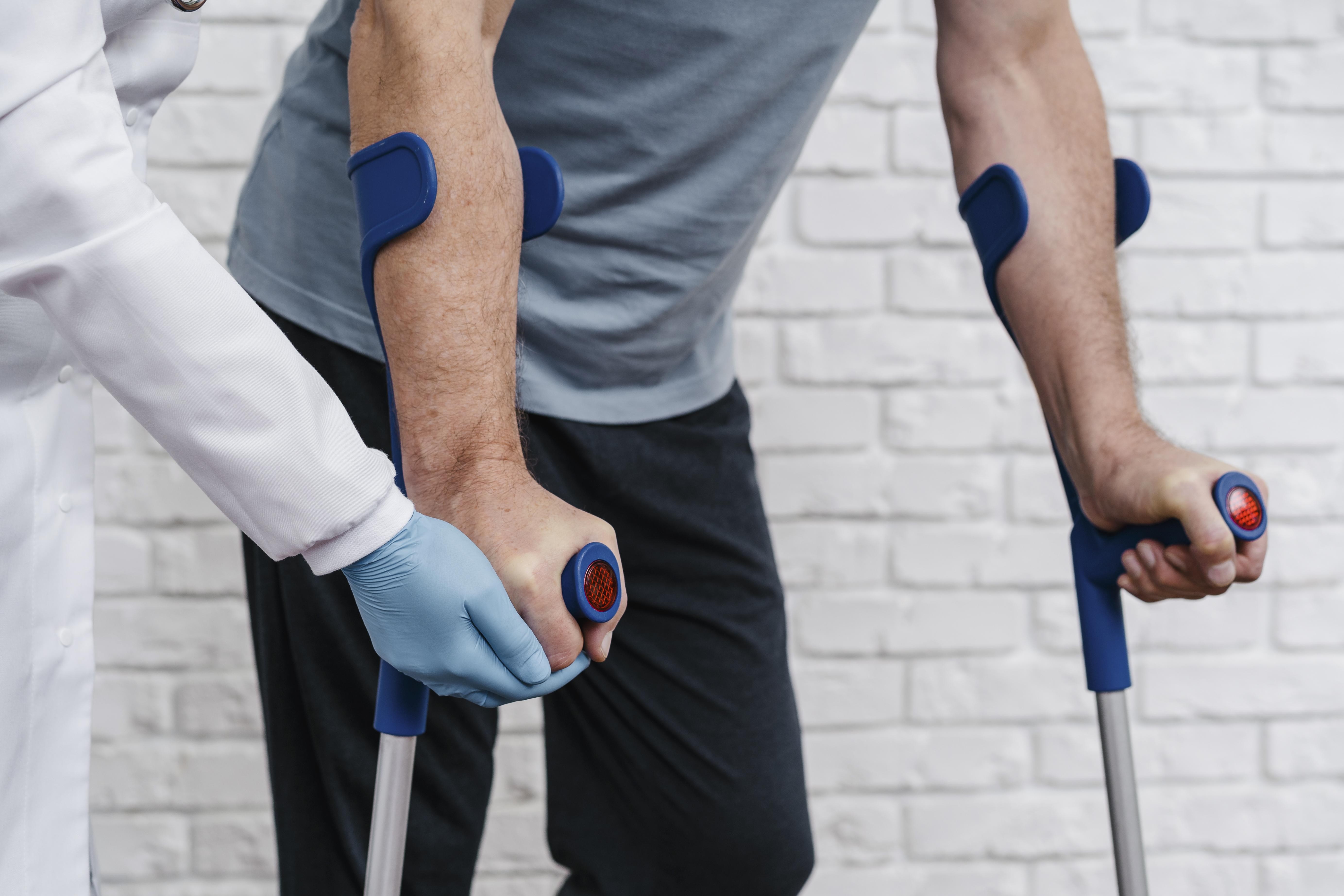
Occupational Therapy vs. Physical Therapy: What’s the Real Difference?
Many people confuse Occupational Therapy with Physical Therapy because both can help people improve function, participation, movement, and quality of life. However, each profession has a different primary focus within Medical Rehabilitation.
The same patient may receive services from both specialties after an injury, illness, or neurological condition, but the assessments, treatment goals, and interventions may differ. Understanding the difference between occupational therapy and physical therapy can therefore help patients understand each professional's role, while the appropriate rehabilitation plan should be based on an individual professional assessment.
What Is Occupational Therapy and What Are Its Goals?
Occupational Therapy is a rehabilitation health profession that helps people participate more fully in the everyday activities they need or want to do, including self-care, education, work, household tasks, and social participation.
Occupational Therapy focuses on meaningful everyday performance and may address motor, sensory, cognitive, functional, and social skills that affect a person's participation in daily life.
Depending on the individual's needs, occupational therapy may aim to:
- Improve independence with eating, dressing, bathing, and other self-care activities.
- Develop fine motor and hand-use skills.
- Support participation in school, work, household tasks, and community life.
- Help some children develop skills needed for play, learning, and everyday participation.
- Recommend adaptive strategies, equipment, or environmental changes.
- Promote independence and meaningful participation wherever possible.
Occupational therapy may support children, adults, and older people with a wide variety of conditions when injury, illness, disability, cognitive change, or other challenges affect everyday activities.
What Is Occupational Therapy?
Occupational therapy is a health profession focused on helping people perform the activities that are important in their daily lives, such as self-care, writing, education, work, and household tasks. Occupational therapists may use skills training, activity modification, environmental changes, or adaptive equipment according to the person's needs.
What Is Physical Therapy and What Are Its Uses?
Physical Therapy is a health profession focused primarily on movement and physical function. It can help people restore or improve mobility, manage pain, and develop strength, flexibility, balance, and physical capacity according to their condition and goals.
Physical therapy interventions may include:
- Therapeutic exercise and prescribed movement.
- Balance, walking, and functional mobility training.
- Manual therapy when appropriate.
- Patient education about activity, movement, and symptom management.
- Selected therapeutic equipment or modalities based on professional assessment.
Physical Therapy may be part of treatment and rehabilitation for:
- Musculoskeletal and sports injuries.
- Some types of back and joint pain.
- Post-surgical rehabilitation.
- Neurological conditions that affect movement.
- Problems affecting balance, walking, and physical function.
Physical therapy is therefore an important part of modern Medical Rehabilitation across hospitals, outpatient clinics, rehabilitation centers, and other healthcare settings.
Comprehensive Comparison: The Difference Between Occupational Therapy and Physical Therapy
The two professions overlap in many patient populations, so the distinction is not simply based on diagnosis. A more useful way to understand the difference is to look at the goals each profession addresses within rehabilitation.
| Aspect | Occupational Therapy | Physical Therapy |
|---|---|---|
| Primary Goal | Improving everyday activity performance, participation, and independence | Improving movement, physical function, and pain management |
| Main Focus | Self-care, school, work, home activities, functional skills, and participation | Mobility, strength, balance, walking, flexibility, and physical function |
| Who May Benefit | People of different ages whose health condition affects everyday activities | People of different ages whose health condition affects movement or physical function |
| Examples of Intervention | Activity training, task or environmental modification, adaptive equipment, functional skill development | Therapeutic exercise, mobility and balance training, manual care, education, prescribed movement |
In Terms of Goals
Restoring Everyday Activity Performance vs. Improving Movement and Physical Function
Occupational Therapy may focus on helping a person use their hand while dressing, eating, writing, or working, while Physical Therapy may focus on strength, movement, walking, balance, and pain management.
In some cases, both disciplines work toward the same overall rehabilitation outcome from different perspectives, which is why they may complement each other.
What Is the Difference Between Physical Therapy and Occupational Therapy?
Physical therapy primarily focuses on movement, physical function, and pain management, while occupational therapy focuses on a person's ability to perform meaningful everyday activities and participate as independently as possible. Some patients need only one profession, while others may benefit from both depending on their assessment and rehabilitation goals.
Conditions Each Profession May Work With
There is no completely separate list of conditions for occupational therapy and physical therapy. Many patients may receive both services, but for different rehabilitation goals.
Examples of situations in which occupational therapy may play a role include:
- Stroke recovery when everyday activities are affected.
- Hand injuries or conditions that affect hand use during daily tasks.
- Neurological or physical disabilities that limit participation.
- Difficulties affecting self-care, school, work, or household tasks.
- Supporting some autistic children with participation, self-care, school activities, sensory needs, or everyday routines according to the child's individual needs.
Physical therapy may be part of rehabilitation for conditions such as:
- Muscle, bone, and joint injuries.
- Sports injuries.
- Some types of spinal or back pain.
- Post-operative rehabilitation.
- Stroke and other neurological conditions when movement, walking, or balance are affected.
The appropriate profession—or combination of professions—depends on the patient's individual needs and specific movement and functional goals.
What Conditions May Require Occupational Therapy?
Occupational therapy may be appropriate when illness, injury, disability, or another health condition affects a person's ability to perform meaningful everyday activities such as self-care, education, work, hand use, or participation at home and in the community. An occupational therapist determines the relevant needs through professional assessment.
Read Also
Integrating Both Specialties: When Does a Patient Need Occupational and Physical Therapy Together?
Some rehabilitation plans include more than one profession because the patient's needs may involve both physical movement and everyday activity performance.
For example, after a stroke, physical therapy may address movement, walking, and balance, while occupational therapy may focus on dressing, bathing, preparing food, using the hands, or returning to work.
Combining the two professions when clinically appropriate may help:
- Address different movement and functional goals within the same rehabilitation plan.
- Help the patient apply improvements in movement to everyday activities.
- Support independence and participation according to the patient's abilities.
- Coordinate goals across a multidisciplinary rehabilitation team.
Not every patient needs both professions. A Medical Rehabilitation plan should be based on individual assessment, goals, and actual clinical needs.
How Can You Become a Rehabilitation, Occupational, or Physical Therapy Professional?
Professional practice as an occupational therapist or physical therapist requires more than a short training course. The required pathway typically includes the appropriate academic education, practical or clinical training, and professional registration or licensing required in the country where the person intends to practice.
Important skills across rehabilitation professions include:
- Strong communication with patients and families.
- Understanding relevant anatomy, function, and health conditions.
- Setting goals and developing plans based on professional assessment.
- Monitoring patient progress and adjusting plans when appropriate.
- Working within a multidisciplinary healthcare team.
- Continuing education and evidence-informed practice.
Professional training courses can support continuing education and knowledge development, but they do not replace the university qualification, clinical training, or professional license required to practice occupational therapy or physical therapy.
Conclusion
Understanding the difference between occupational therapy and physical therapy helps clarify the role of each profession in rehabilitation. Occupational therapy focuses more on everyday activity performance, participation, and independence, while physical therapy focuses more on movement, physical function, and pain management.
The two professions may work separately or together depending on the condition, which is why the patient's assessment, goals, and individual needs should guide the most appropriate Medical Rehabilitation plan.
Start Now
If you are interested in physical therapy and rehabilitation and want to develop your professional knowledge, explore IGTS training programs in Physical Therapy and choose the course that best matches your background and learning goals.
Browse Physical Therapy Courses Contact Us via WhatsAppUpdated at: 2026-10-10 14:31:36