
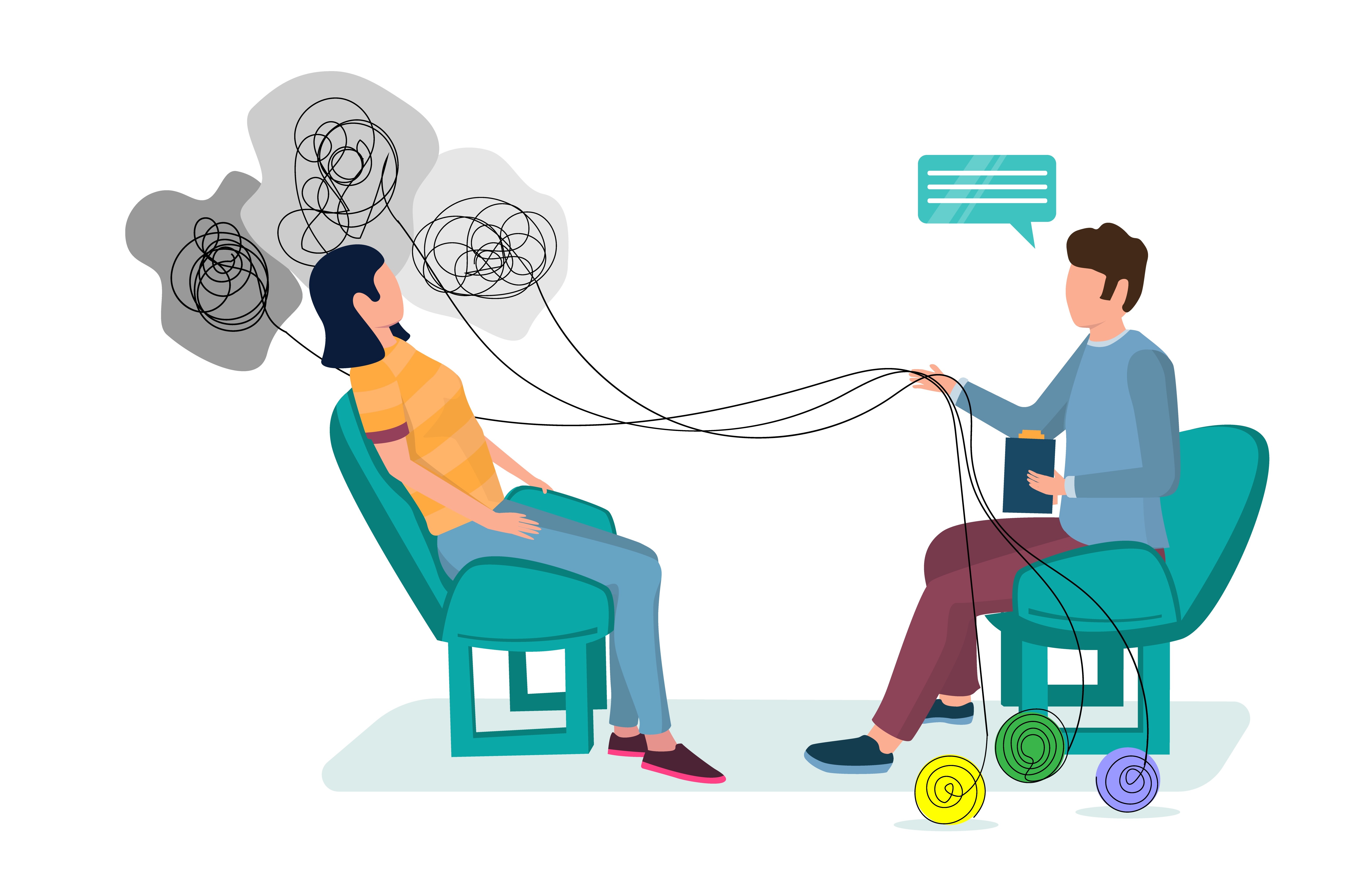
What is Clinical Psychology? Definition & Traits
Clinical Psychology is considered one of the most prominent and important branches of psychology. This discipline is closely related to the study of mental illnesses, psychological disorders, and abnormal behavior in individuals, aiming primarily to solve complex psychological problems.
The history of this science dates back to the famous Austrian scientist Sigmund Freud, who was among the first to focus on both mental and psychological illnesses. Freud coined the term and relied on conversational therapy sessions with patients to diagnose their conditions. He also paid special attention to children facing learning difficulties or behavioral problems.
Definition of Clinical Psychology
The word "clinical" has Greek origins, tracing back to the word "klinikos," which means "beside the patient's bed" or refers to a reclining person. Scientists have developed several definitions to describe this field, which can be summarized as follows:
- The American Psychological Association (APA) defines clinical psychology as an applied branch that aims to determine a person's behavior using analysis, observation, and measurement. It provides various tests to help individuals adapt to their environment and reach appropriate treatments.
- It is the science that treats illnesses identified by medical examinations through studying the person's historical and social data.
- It is the modern science representing the intersection of psychology and medicine, dealing with the treatment of behavioral, mental, and emotional disorders to achieve psychological stability.
- It is a field of psychology dedicated to providing comprehensive and continuous mental healthcare for individuals and families, overcoming mental illnesses by integrating medical theories with clinical knowledge.
4 Core Aspects of the Clinical Psychology Concept
The concept of clinical psychology encompasses many dimensions, the most important of which are:
1. Assessment and Measurement
One of the most critical aspects is measurement, which focuses on methods for detecting abnormal conditions. Assessment is the primary diagnostic tool; without it, the diagnostic process is considered inaccurate.
2. Abnormality
Clinical psychology studies abnormal behaviors and individuals suffering from intellectual limitations or cognitive delays.
3. Adaptation
This science connects patients with reality, working to solve or mitigate their problems so they can adapt and harmonize with their surrounding environment.
4. Behavior
It focuses on studying individual behavior, diagnosing their mental conditions through direct observation of the situations they face until they achieve psychological harmony.
Characteristics of Clinical Psychology and Psychological Tests
This specialization features a set of characteristics and tools it relies on, notably:
- Conducting in-depth psychological research.
- Providing psychological consultations and tests for institutions, associations, and schools.
- Developing preventive and therapeutic plans within clinical care departments.
- Coordinating and organizing individual and group therapy sessions.
- Intelligence Tests: Measuring academic achievement, language skills, thinking, visual-spatial perception, and attention span.
- Projective Tests: Aiming to reveal conscious processes and psychological states by using external stimuli to extract hidden thoughts.
- Personality Tests: Describing patterns of thoughts, behaviors, and emotions an individual experiences to assess their mental state.
- Clinical Observations: Monitoring a person's actions, mood, and ability to perceive and deal normally with reality.
- Neuropsychological Tests: Evaluating neurological conditions to determine if organic issues are affecting the patient's behavior and reality processing.
Frequently Asked Questions About Clinical Psychology
What is clinical psychology in short?
It is an applied branch of psychology concerned with evaluating, diagnosing, and treating mental illnesses and behavioral disorders, helping individuals adapt to their lives and achieve psychological stability.
Who is the founder of clinical psychology?
The Austrian scientist Sigmund Freud is considered one of the early pioneers of this science, focusing on treating mental illnesses through psychoanalysis and direct conversation with patients.
Why is measurement important in clinical psychology?
Measurement is the fundamental tool specialists rely on for accurate diagnosis. Without it, determining the scope of the psychological issue and creating an effective treatment plan is impossible.
What is the difference between clinical psychology and psychiatry?
A clinical psychologist treats disorders through therapy sessions, behavior modification, and psychological tests, whereas a psychiatrist studies medicine and is authorized to prescribe medication.
How can I specialize in studying mental health?
You can begin by enrolling in accredited professional diploma programs offered by the IGTS platform, such as the Mental Health Diploma, to acquire the necessary practical and theoretical skills.
Develop Your Skills in Psychological Diagnosis
Earn accredited professional certificates from IGTS and open prestigious career paths in counseling and mental health.
Browse Mental Health Diplomas Contact Us via WhatsAppUpdated at: 2026-10-10 16:01:50