
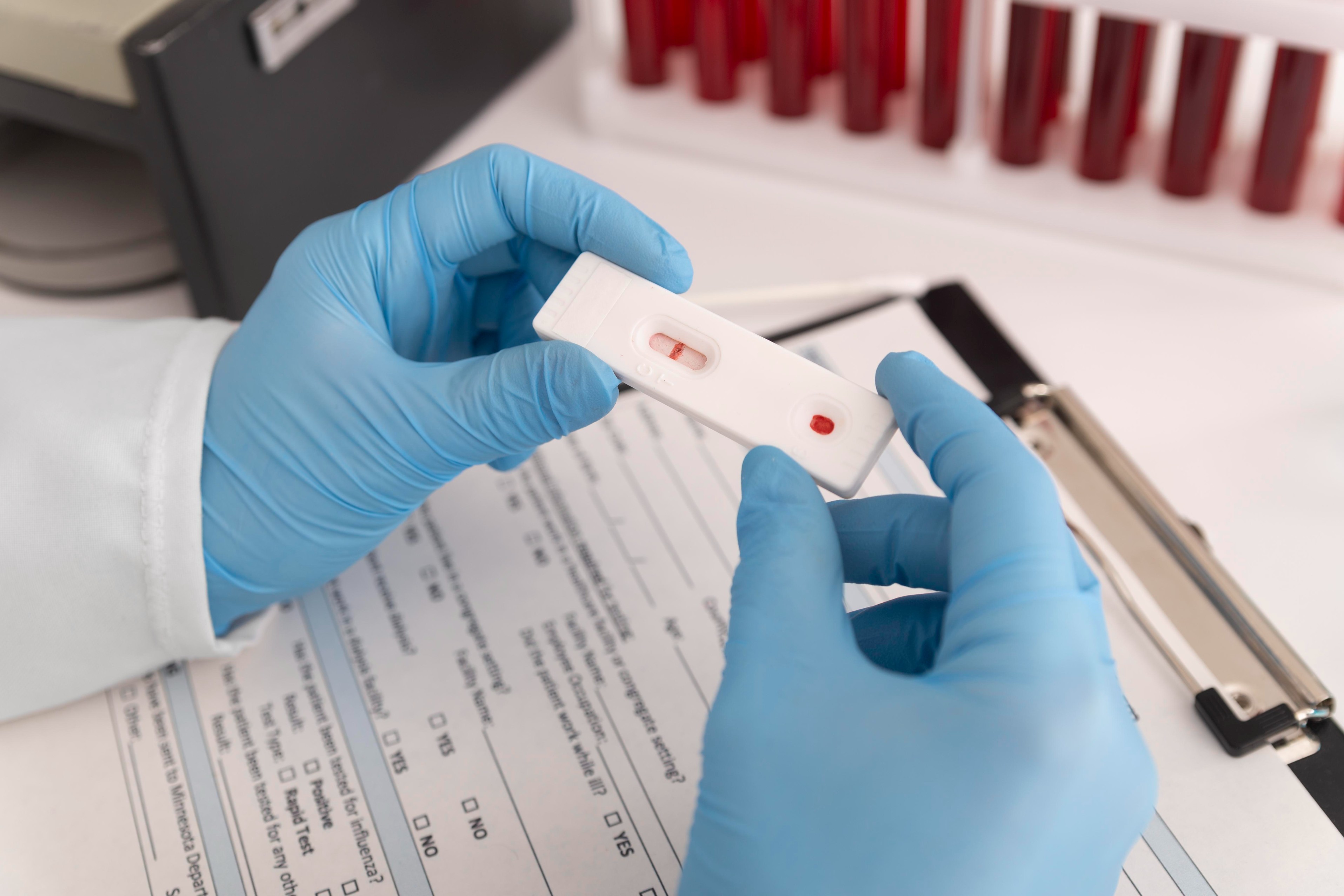
What is a PCT Test? Your Complete Guide to Procalcitonin Results and Uses
The PCT test is considered one of the important modern medical tests that can help doctors assess bacterial infections, especially in critical cases. The test measures the level of procalcitonin in the blood, a biomarker associated with bacterial inflammation.
It is widely used in hospitals, particularly in intensive care units and infectious disease settings, where rapid assessment can play an important role in treatment decisions.
What Does the PCT (Procalcitonin) Test Mean?
The procalcitonin test is a blood test that measures the level of procalcitonin in the body. Under normal conditions, the level is generally very low, while it may rise significantly during severe bacterial infections.
This test can be used as part of the assessment of bacterial infections and may help doctors distinguish bacterial infections from some viral infections when interpreted together with the patient's clinical condition.
What is a PCT blood test?
A PCT test measures procalcitonin levels in the blood. It is a biomarker that may increase during bacterial infections and can support doctors when assessing severe infections and determining appropriate treatment.
Read Also
When Do Doctors Request a PCT Test?
Doctors may request a PCT test in several medical situations, particularly when a serious bacterial infection is suspected.
Suspected Sepsis
The procalcitonin test may be used as part of the clinical assessment of sepsis, a serious condition associated with the body's response to infection.
Elevated levels may help with:
- Supporting early clinical assessment.
- Assessing the severity of the condition.
- Supporting treatment decisions.
Distinguishing Between Bacterial and Viral Infections
One of the important uses of the PCT test is supporting the assessment of different types of infection.
- Bacterial infections → PCT levels may increase.
- Viral infections → PCT levels often remain relatively low.
This information can support appropriate antibiotic use when considered alongside the patient's full clinical assessment. You can also explore the IGTS Infectious Diseases Course.
Monitoring Response to Antibiotic Treatment
The test may also be used to monitor changes in a patient's condition during treatment.
- A gradual decrease in PCT levels → may be associated with improvement.
- Continued elevation → may require further clinical evaluation.
Test Requirements: Does a PCT Test Require Fasting?
The PCT test usually does not require complicated preparation.
Do you need to fast for a PCT test?
Fasting is generally not required for a PCT test. The test involves collecting a blood sample from a vein according to the instructions of the doctor or laboratory.
Understanding Results: What Is the Normal PCT Level?
PCT values and their interpretation can vary according to the patient's condition, laboratory methods, and clinical context. General ranges are sometimes used as a guide.
| Result | General Interpretation |
|---|---|
| Less than 0.05 ng/mL | Generally considered a low level |
| 0.05 – 0.5 ng/mL | May occur with mild infection depending on the clinical context |
| 0.5 – 2 ng/mL | May increase suspicion of bacterial infection |
| Above 2 ng/mL | May be associated with severe infection or sepsis and requires medical evaluation |
A PCT result should not normally be interpreted in isolation. Doctors consider the result together with symptoms, clinical findings, and other laboratory tests.
To learn more about different laboratory tests and how they are interpreted, explore the Medical Knowledge Course.
What Does a High PCT Level Mean?
An elevated PCT level may indicate a bacterial infection, although levels can also increase in certain other medical situations.
Possible causes include:
- Sepsis.
- Severe bacterial infections.
- Certain situations following major surgery.
- Some acute inflammatory conditions.
Potential risks associated with severe infection:
- Delayed diagnosis may lead to complications.
- Some patients may require hospitalization.
- Severe cases require close medical monitoring.
What does a high PCT level indicate?
A high PCT level may indicate an active bacterial infection, particularly in severe cases such as sepsis. The result should always be interpreted by a healthcare professional together with the patient's clinical condition and other investigations.
Conclusion
The PCT test is an important tool used in the assessment of bacterial infections and critically ill patients. When interpreted with other clinical information, it may support diagnosis and help doctors monitor treatment response.
If you work or study in the laboratory field, you can develop a broader understanding of laboratory testing and result interpretation through the Medical Laboratory Science Diploma from IGTS.
Develop Your Medical Skills
Want to develop your understanding of medical laboratory tests, laboratory results, and practical applications? Explore specialized IGTS medical training programs.
Updated at: 2026-10-10 18:00:12