
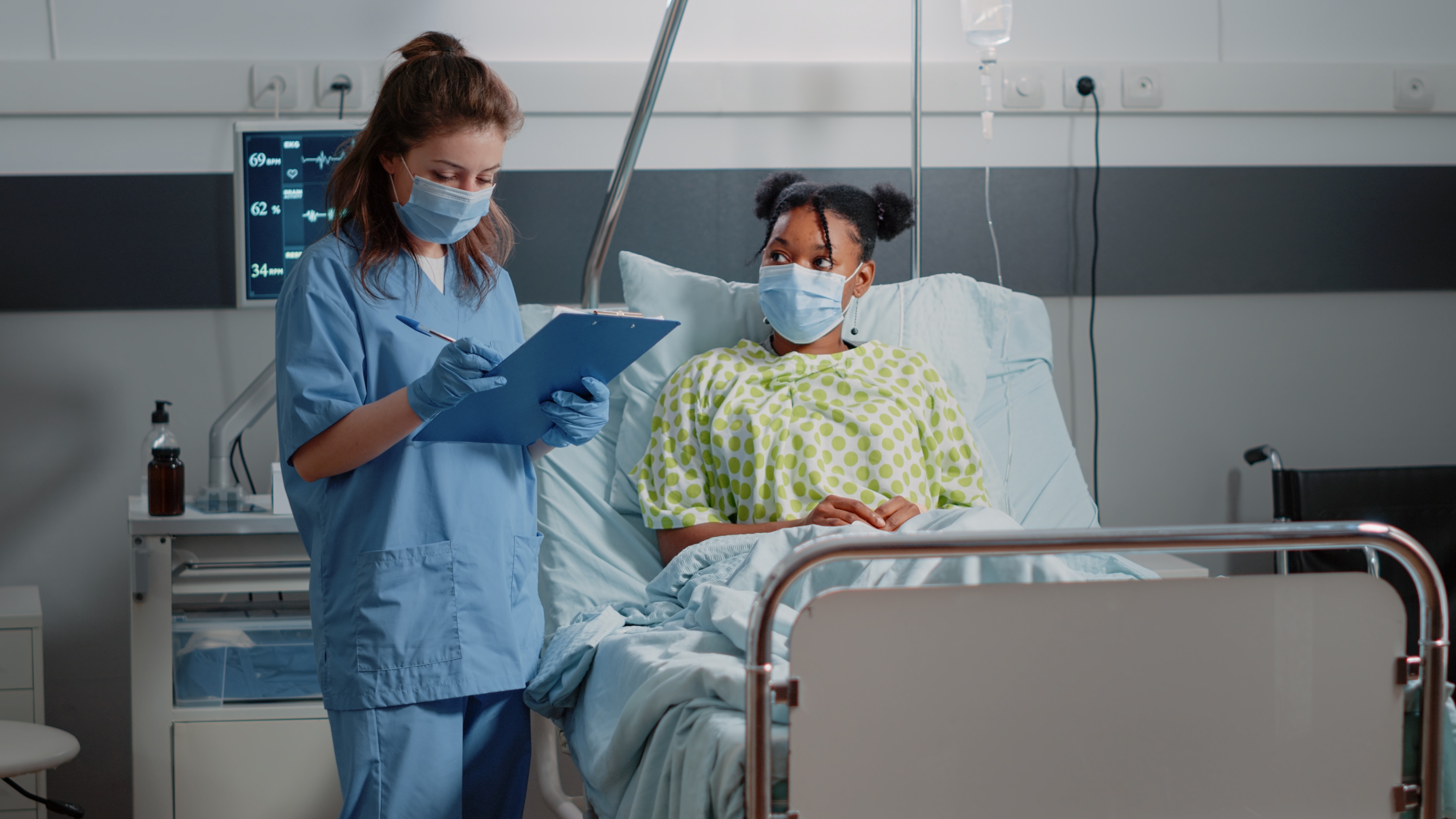
A Comprehensive Guide to ICU Nursing: Responsibilities and Required Skills
The nursing role in intensive care is one of the most important and sensitive areas of nursing within healthcare institutions. ICU nurses work every day with patients who have critical medical conditions requiring close monitoring and timely therapeutic interventions to maintain stability and reduce the risk of complications.
The critical care nursing environment depends heavily on teamwork between physicians, nurses, and other healthcare professionals. The nurse plays an essential role in continuous patient follow-up, including monitoring vital signs, working with ICU equipment, administering prescribed medications accurately, and responding to emergency situations within the nurse's professional scope of practice.
For this reason, an ICU nurse needs a high level of medical knowledge and clinical skill, together with the ability to respond efficiently when a patient's condition changes rapidly and to work within applicable professional responsibilities and clinical protocols.
What Is the Intensive Care Unit (ICU) and Who Are Its Patients?
The Intensive Care Unit (ICU) is a specialized hospital department designed for patients with critical or life-threatening conditions, or for those who require a high level of medical monitoring and support for vital body functions.
The unit is equipped with specialized ICU devices used to monitor and support vital functions such as breathing and circulation according to each patient's clinical needs.
Conditions That May Require ICU Admission:
- Acute respiratory failure: particularly when advanced respiratory support or mechanical ventilation is required.
- Serious complications: following some major surgical procedures when intensive monitoring is required.
- Severe injuries: when trauma leads to instability or a need for continuous monitoring or organ support.
- Certain critical cardiac or neurological conditions: when the level of monitoring and care available in the ICU is required.
- Severe infection or acute poisoning: when the patient's condition becomes unstable or requires intensive support.
The Role of Nursing in Intensive Care: Daily Responsibilities
The nursing role in intensive care includes a range of complex daily responsibilities that require advanced clinical skills and detailed knowledge of practices used in caring for critically ill patients.
Monitoring Vital Signs and Assessing the Patient's Condition
Monitoring the patient's condition is one of the key practical nursing fundamentals in intensive care. The healthcare team relies on continuously recorded information and observations to evaluate changes in the patient's condition. These include:
| Task | Details |
|---|---|
| Vital Monitoring | Measuring and monitoring blood pressure, pulse, temperature, and oxygen levels according to the patient's condition and care plan. |
| Neurological Assessment | Monitoring the level of consciousness and neurological response and identifying significant changes in the patient's condition. |
| Medication Management | Monitoring IV infusion pumps and administering prescribed medications accurately in accordance with the treatment plan. |
Administering Medications and Working With Advanced Support Equipment
Critical care nursing requires a high degree of accuracy in medication administration and patient monitoring because a number of medications used in intensive care may directly affect the cardiovascular system and other body functions. They must therefore be administered according to medical orders and applicable clinical protocols.
Working in an intensive care environment also involves following appropriate infection control practices when caring for patients and handling equipment and procedures.
Psychological Support for Patients and Families in Critical Situations
Alongside clinical responsibilities, the ICU nurse plays an important role in supporting patients and their family members and communicating with them in accordance with the healthcare facility's policies and the responsibilities of the treating team.
Most Important Medical Devices in the ICU
- Mechanical Ventilator: used to support patients who require assistance with breathing.
- Cardiac and Vital-Signs Monitors: used to monitor indicators such as heart rate, blood pressure, and oxygen saturation depending on the device.
- IV Infusion and Medication Pumps: used to help regulate the administration of fluids and medications according to the treatment plan.
- Defibrillator: used when electrical shock therapy is indicated for certain dangerous heart rhythms and specific cardiac-arrest rhythms that are considered shockable.
Read Also
Common Questions About ICU Nursing
1. What Are the Duties of an ICU Nurse?
Their duties include continuous monitoring of vital signs, monitoring support equipment such as mechanical ventilators within their professional responsibilities, accurately administering prescribed IV medications, assessing the patient's response, and coordinating care with the medical team.
2. What Are the Most Important Devices Used in the Intensive Care Unit (ICU)?
These include mechanical ventilators, vital-sign monitors, IV infusion or medication pumps, and defibrillators when a patient's condition indicates their use.
3. What Is the Difference Between General Nursing and ICU Nursing?
They differ in the type of patients, level of monitoring, and complexity of care. ICU nursing requires specialized skills in caring for critically ill patients and working with monitoring and support equipment, while general nursing covers a broader range of care and routine follow-up depending on the clinical department and the patient's condition.
Conclusion
The nursing role in intensive care is an essential part of the modern healthcare system. Nurses contribute directly to continuous patient monitoring, the delivery of nursing care for critical cases, and coordination with other members of the healthcare team.
Critical care nursing requires a high level of professional competence and specialized training because of the complexity of the patients being cared for and the need for accuracy and timely responses within professional responsibilities and established clinical protocols.
Start Now
If you want to develop your knowledge of intensive care and critical care nursing, you can review the IGTS Intensive Care Unit Course ICU and determine whether its content is suitable for your background and training objectives.
Intensive Care Unit Course ICU Contact Us via WhatsAppUpdated at: 2026-10-10 12:05:23