Since the launch of IGTS in 2015, the main objective has been to support training and qualification in the health sector in its various categories. The group has thus sought to provide scientific and practical expertise from the largest medical experts in the Arab world, who we were honored to be part of the IGTS family. As a result of the success achieved by the group, we have focused on expanding in areas no less important than the health sector. Among these are business management - education and guidance - mental health - human resources - and others, more that are commensurate with the needs of human cadres and with the quality of learning that is a major start for every aspiration to receive science and self-development. The most important element of the IGTS strategy was the contracting of a group of experts, all of the members of teaching bodies in the largest Arab universities in all specialties, who believed in the science they provided and sought to research and develop it, in order to transfer the greatest amount of it to the student and make it most useful, through a flexible distance-learning method and in direct contact with the lecturer.
TPN Nutrition: Essential Components and Key Benefits
What is Total Parenteral Nutrition (TPN)?
Total Parenteral Nutrition (TPN) is a life-saving medical method that provides the body with all the essential nutrients and calories it requires. In this article, we will explore Total Parenteral Nutrition (TPN), its key components, and its health benefits.
TPN is typically provided to patients who are unable to consume food or those suffering from severe gastrointestinal issues, such as Crohn's disease, Irritable Bowel Syndrome (IBS), or cancer. These conditions hinder nutrient absorption, making the individual susceptible to serious health complications.
Methods of Administering TPN Solutions:
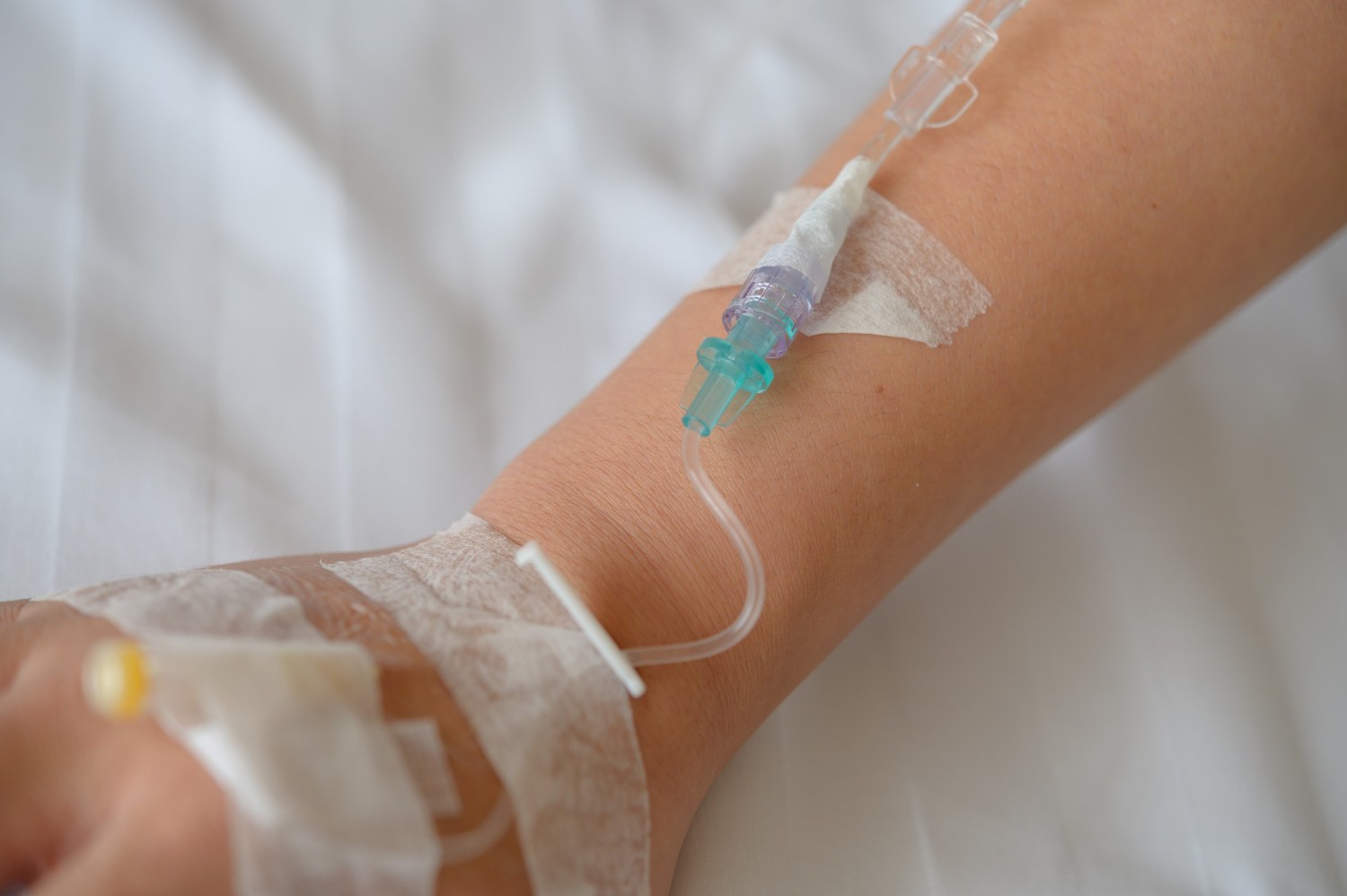
Peripheral Venous Catheter: Used for short-term administration, typically through a vein in the arm.
Central Venous Catheter: Used for long-term administration, where the catheter is inserted into a large vein leading directly to the heart.
First: Essential Components The solution varies from person to person based on their health status, but it consistently includes:
Water (typically in amounts of 30-40 ml).
Glucose (the primary energy source, 30-40 kcal).
Amino acids and fatty acids.
Essential vitamins and minerals.
Second: Medical Benefits
Maintaining the balance of nutritional elements in the body.
Accelerating recovery and healing rates for patients.
Protecting the body from dehydration by maintaining fluid levels.
Risks and Complications of TPN
Risk of infection or sepsis due to the catheter, requiring regular replacement.
Potential for blood clot formation.
Long-term effects on the liver or bones when used for extended periods.
Sudden elevation in blood glucose levels if the solution is administered at a rate exceeding the body's capacity to process it.
Do you wish to specialize in the field of Therapeutic Nutrition?
Join IGTS advanced training programs and gain the scientific knowledge necessary to manage parenteral and enteral nutrition with global medical professionalism.